
Leave Your Message
0102030405
How to Choose Robot for Bulk Purchase
2026-07-01
How to Choose Robots for Bulk Purchase: A Complete Buyer’s Guide
Table of Contents
- Introduction: Why Bulk Robot Sourcing Needs Targeted Evaluation
- Step 1: Lock Down Your Core Operational Requirements First
- Step 2: Match Robot Types to Mass Production & Commercial Scenarios
- Step 3: Evaluate Critical Technical Specs for Large-Scale Deployment
- Step 4: Assess Supplier Capacity for Bulk Order Fulfillment
- Step 5: Calculate Total Cost of Ownership (Not Just Unit Price)
- Step 6: Verify Global Compliance, After-Sales & Support Infrastructure
- Step 7: Test Small Batches Before Full Mass Procurement
- Comparative Overview: Robot Types for Different Bulk Use Cases
- Common Mistakes Bulk Buyers Make & How to Avoid Them
- Final Checklist for Signing Bulk Robot Purchase Orders
- Frequently Asked Questions About Bulk Robot Procurement
- Key Takeaways
Introduction: Why Bulk Robot Sourcing Needs Targeted Evaluation
Automation has become non-negotiable for facility operators, manufacturing plant managers, commercial service groups and system integrators scaling operations worldwide. When buying robotsin bulk—whether dozens of commercial cleaning robots for property management fleets, dozens of industrial manipulators for assembly lines, or Collaborative Robot units for multi-site rollouts—single-unit shopping logic no longer applies.
A poor bulk purchasing decision creates cascading risks: inconsistent production output, unplanned long-term maintenance expenses, delayed facility launch timelines, and wasted capital on mismatched hardware. Unlike individual robot orders, bulk procurement demands alignment across technical performance, supply chain stability, cross-border logistics, unified after-sales service and long-term fleet manageability.
This guide is built exclusively for volume buyers, system integrators, multi-location facility operators and wholesale automation purchasers. It breaks down every actionable criterion to streamline your selection process, eliminate overspending, and guarantee uniform, reliable robot performance across all your sites.
Step 1: Lock Down Your Core Operational Requirements First
Before reviewing robot catalogs or requesting bulk quotations, formalize your site-level operational benchmarks. Every bulk order starts with clear, quantifiable use case rules. Answer these core questions for all locations receiving robot fleets:
Core Application Purpose
Define the exact task each robot will execute across every facility: automated warehouse transport, commercial floor cleaning, electronic component assembly, palletizing, injection molding part extraction, hospitality delivery, or workshop material handling. Different workflows demand entirely separate robot hardware designs, and mixing mismatched units across your fleet creates operational chaos.
Facility Environment Parameters
Document universal site conditions to ensure all bulk robot units operate reliably without custom modifications:
- Operating space size, narrow passage widths and ceiling height limits
- Surface types (hard concrete, carpet, anti-slip factory flooring)
- Temperature, humidity, dust, oil or chemical exposure levels
- Presence of obstacles, fixed machinery, racks or human foot traffic
Daily Runtime & Fleet Scale
Calculate total daily operating hours per robot and total fleet size. Facilities running robots 12+ hours daily require upgraded battery systems, reinforced mechanical frames and longer service cycles—features you must specify upfront in bulk order negotiations. Map out phased deployment timelines (30 units for Phase 1, 100 units for Phase 2, etc.) to confirm supplier production scheduling capacity.
Output & Efficiency Targets
Set measurable KPIs: hourly task completion volume, required precision tolerance, maximum allowed cycle time per operation, and acceptable downtime per Robot Monthly. These metrics become your benchmark to filter robot models during technical comparison.
Step 2: Match Robot Types to Mass Production & Commercial Scenarios
For bulk buyers, standardizing on one robot series for identical workflows drastically cuts training, maintenance and spare parts costs. Below are the most widely deployed robot categories for volume procurement, paired with their ideal bulk use cases:
1. Commercial Autonomous Mobile Robots (AMRs / Service Robots)
Best bulk fit: Global property management groups, hotel chains, retail malls, hospital facilities and large corporate campuses. Designed for repetitive, low-skill public space tasks: automated floor cleaning, material transport, guest item delivery. Compact footprint, built-in LiDAR navigation, multi-sensor obstacle avoidance and unified fleet management software make them easy to roll out across dozens of locations simultaneously.
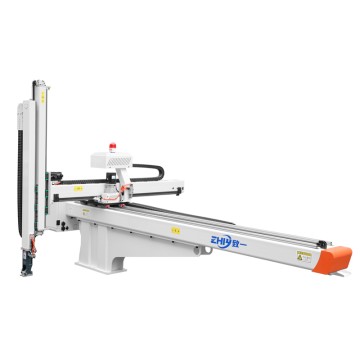
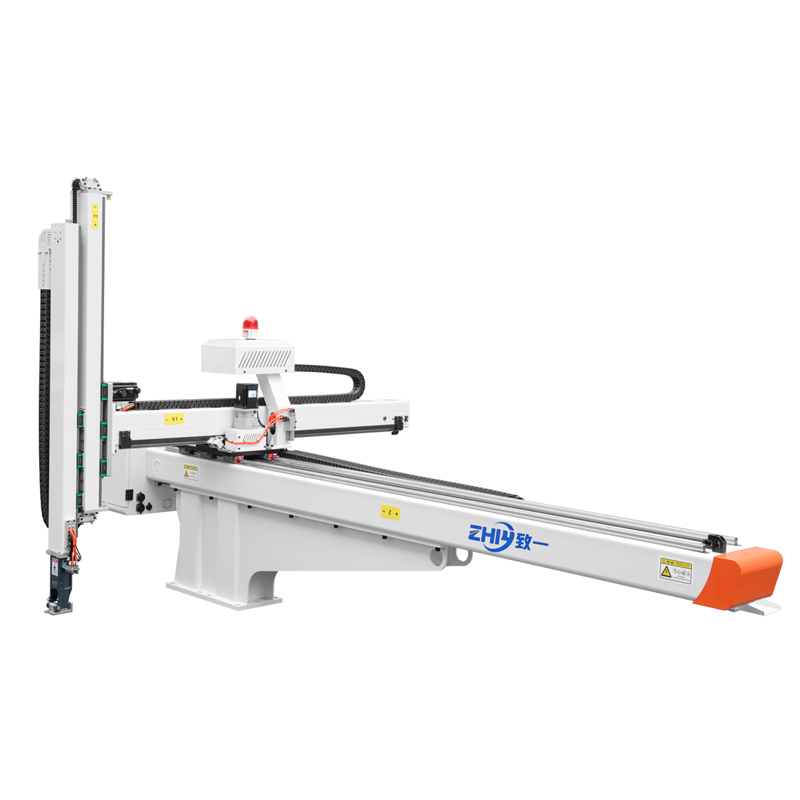
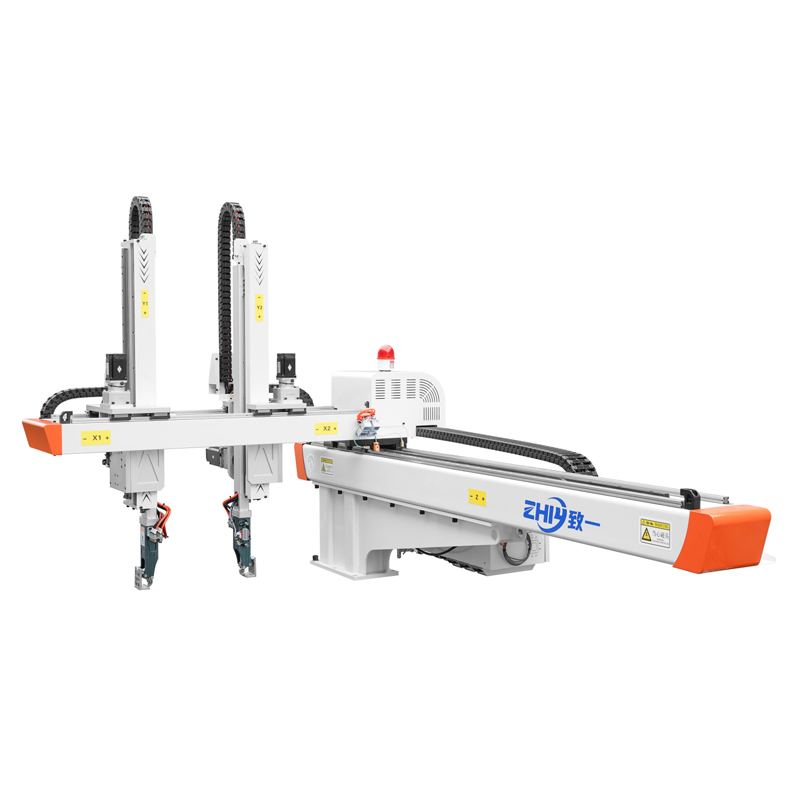
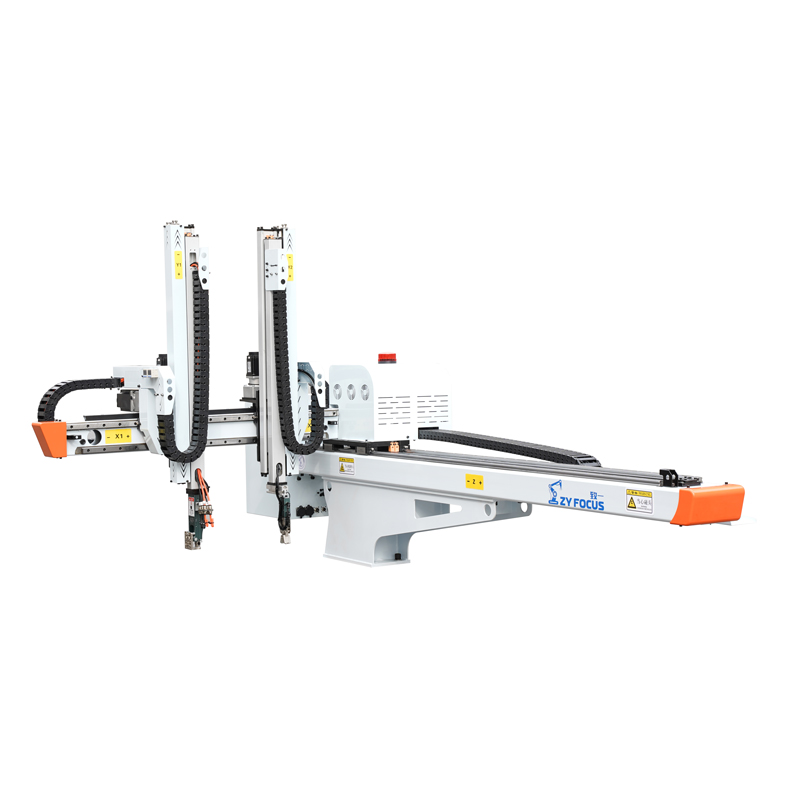
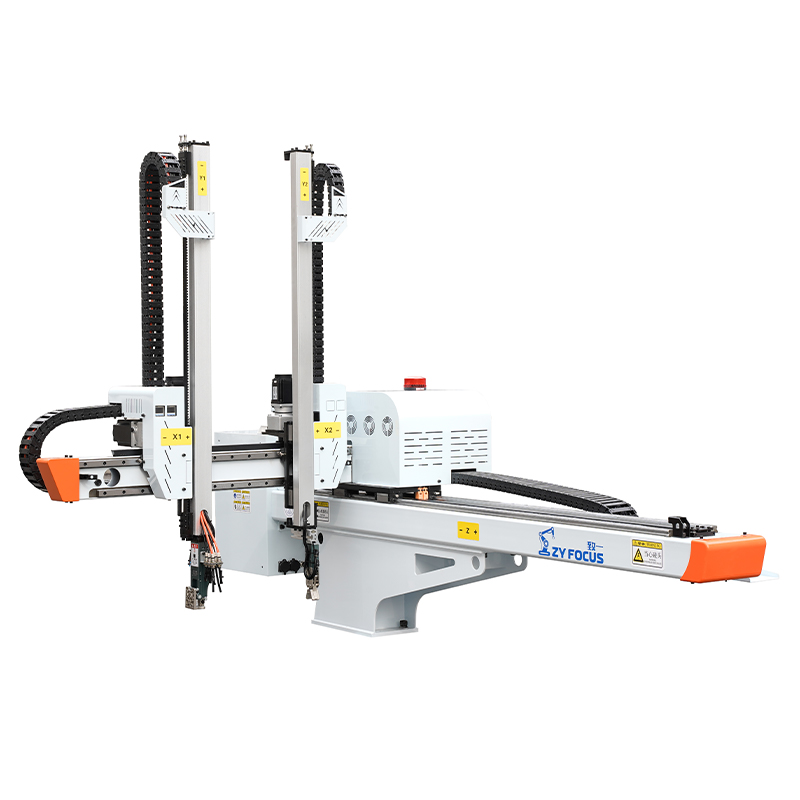
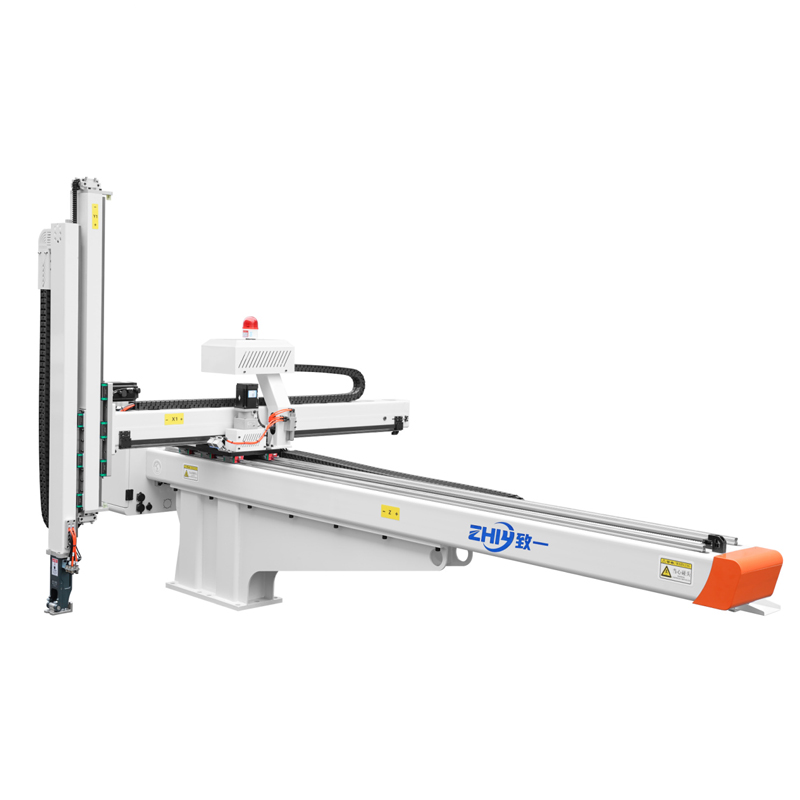
2. Cartesian / 3-Axis Servo Robotic Arms
Best bulk fit: Injection molding factories, plastic component manufacturing and standardized pick-and-place assembly lines. Linear motion design delivers stable, repeatable extraction and placement work. Uniform installation dimensions simplify line integration when purchasing 20+ units for parallel production stations.
3. 6-Axis Articulated Industrial Robots
Best bulk fit: Welding, packaging, heavy-duty palletizing and multi-process manufacturing plants. Full 360° movement flexibility handles complex fabrication workflows. Bulk orders suit factories expanding multiple production lines with identical processing requirements.
4. Collaborative Robots (Cobots)
Best bulk fit: Light electronic assembly, small-batch packaging and semi-automated workshops with constant human-machine interaction. Built-in force-limiting safety technology removes the need for costly safety barriers across every workstation, delivering consistent ROI when ordered in large batches for multi-factory rollouts.
5. Delta High-Speed Robots
Best bulk fit: Food packaging, consumer electronics sorting and ultra-fast pick-and-place mass production. Ultra-fast cycle times for lightweight small parts; ideal for high-throughput production lines ordering dozens of matching units to maintain synchronized output.
Step 3: Evaluate Critical Technical Specs for Large-Scale Deployment
When purchasing robots in bulk, uniform technical performance across your entire fleet is critical. Prioritize these standardized specifications to avoid performance gaps between units at different sites:
Payload & Reach Capacity
Calculate total working load including end-of-arm tooling, raw workpieces and dynamic operating shock. Add a 20%–30% safety margin for continuous long-hour operation. For mobile service robots, confirm maximum transport weight and climbing threshold across all facility floor layouts.
Repeatability & Speed
For manufacturing fleets, repeat positioning accuracy directly impacts product pass rates across all production lines. Match maximum movement speed to your required cycle time—avoid over-specifying high-speed models that drive unnecessary bulk pricing increases, or under-specifying units that create production bottlenecks.
Navigation & Control System Uniformity
All robots in your bulk fleet must share identical control software, fleet dashboards and communication protocols. Standardized systems reduce engineering training hours for on-site technicians and enable centralized remote monitoring across all global facilities. Prioritize open, compatible software ecosystems instead of closed proprietary systems that lock you into expensive exclusive spare parts.
Environmental Protection Rating
Unify IP ratings for every robot unit to match your harshest operating site. If one factory operates in dusty, high-humidity conditions, all bulk robots need matching dust/water resistance to eliminate separate maintenance workflows.
Battery & Endurance Specifications
For mobile autonomous robots, standardized battery capacity and charging speed streamline fleet rotation scheduling across hundreds of units. Models with swappable batteries cut downtime significantly for large-scale commercial fleets.
Step 4: Assess Supplier Capacity for Bulk Order Fulfillment
Unit specifications only carry value if your supplier can reliably deliver large orders on schedule. Bulk buyers must audit four core supplier capabilities before committing to a multi-unit contract:
Mass Production Output Capacity
Confirm monthly manufacturing capacity matching your total order volume and phased delivery timeline. Ask for recent bulk order delivery records to verify track records for 50+, 100+ unit shipments. Small-scale manufacturers often face production bottlenecks for large orders, leading to delayed facility launch dates.
Consistent Component Supply Chain
Stable access to core motors, sensors, navigation modules and spare parts directly impacts fleet uniformity. Suppliers with vertical integrated component production maintain consistent robot quality across thousands of units, while third-party assembly vendors risk inconsistent hardware batches.
Global Logistics & Packaging Standards
Bulk robot shipments require reinforced export packaging, standardized container loading plans and familiarity with cross-border shipping documentation (certificates of origin, conformity declarations, commercial invoices). Suppliers experienced with international bulk orders reduce customs clearance delays and transit damage risks.
Customization Flexibility for Standardized Bulk Modifications
If all your sites require identical minor tweaks (custom end effectors, branded fleet software dashboards, site-specific navigation parameter presets), confirm the supplier can roll out these modifications uniformly across your full order without long lead-time delays per unit.
Step 5: Calculate Total Cost of Ownership (Not Just Unit Price)
Many bulk buyers fixate on per-unit discount pricing and overlook long-term fleet expenses that dominate total expenditure over 3–5 years of operation. Build a full total cost of ownership (TCO) model covering these line items:
- Base bulk unit price (including volume tier discounts for 10+, 50+, 100+ unit orders)
- Mandatory accessories: charging stations, grippers, sensors, installation fixtures
- Global sea/air freight, insurance and destination import duties
- On-site commissioning, calibration and technician training fees
- Multi-year extended warranty packages for the full fleet
- Scheduled bulk maintenance service contracts
- Spare part bulk stocking costs for cross-site inventory
- Annual fleet management software subscription fees
Larger bulk orders typically unlock tiered discounts ranging from 10% to 22% off standard retail pricing, but only when the supplier can bundle training, spare parts and warranty into the same volume contract. Compare TCO across multiple vendors instead of judging offers solely on upfront unit cost.
Step 6: Verify Global Compliance, After-Sales & Support Infrastructure
For cross-border bulk procurement, uniform compliance and worldwide support networks eliminate costly operational disruptions across international sites:
Global Safety & Quality Certifications
Confirm all robot models carry universally recognized certification standards valid in every country your facilities operate within: CE, FCC, ISO industrial safety standards, and local regional conformity documentation. Avoid models with region-locked certifications that require costly rework for overseas deployment.
Worldwide After-Sales Service Network
Bulk fleets spread across multiple countries need rapid local technical support. Evaluate suppliers based on:
- Regional service centers and resident field engineers
- 24/7 remote diagnostic support for fleet-wide troubleshooting
- Standardized global spare parts warehousing for fast cross-border delivery
- Multi-language technical manuals, training videos and operation guides
Warranty Consistency Across All Units
Negotiate identical warranty terms for every robot in your bulk order, including matching coverage periods for core motors, sensors and control systems. Clarify warranty coverage for bulk wear-and-tear components to avoid unexpected replacement fees post-deployment.
Step 7: Test Small Batches Before Full Mass Procurement
Never sign off on a full bulk fleet order without completing a site trial deployment. This risk-mitigation step is essential for volume buyers:
- Place a small trial batch (5–10 units) to deploy across your representative facility types
- Run the trial fleet for 30–60 full operating cycles to measure real-world performance, battery endurance, precision and failure rates
- Collect feedback from on-site operators, maintenance technicians and facility managers
- Submit performance adjustment requests to the supplier before finalizing the large bulk contract
- Lock in trial-proven model specifications in your formal purchase agreement to prevent hardware downgrades during mass production
Small trial batches also let you validate supplier delivery speed, packaging quality and technical training support before committing capital to hundreds of robot units.
Comparative Overview: Robot Types for Different Bulk Use Cases
| Robot Category | Ideal Bulk Buyer Profile | Core Bulk Advantages | Best Order Volume Range |
|---|---|---|---|
| Commercial AMR Cleaning Robots | Property management groups, hotel chains, mall operators | Unified fleet software, low training cost, standardized maintenance | 20–200+ units |
| 3-Axis Cartesian Robotic Arms | Injection molding manufacturers, plastic production plants | Linear consistent performance, simple line integration | 15–120+ units |
| 6-Axis Industrial Articulated Robots | Multi-line manufacturing factories, palletizing facilities | Versatile cross-process compatibility, tiered bulk pricing | 10–80+ units |
| Collaborative Cobots | Electronic assembly workshops, semi-automated production | No safety barrier investment, flexible workstation layout | 8–60+ units |
| Delta High-Speed Robots | Food sorting, consumer electronics packaging plants | Synchronized high-throughput line operation | 12–100+ units |
Common Mistakes Bulk Buyers Make & How to Avoid Them
Mistake 1: Mixing multiple robot models for identical workflows
Running different robot hardware across matching production or commercial sites doubles spare parts inventory, technician training time and software management workload. Standardize one robot series per use case for all bulk orders.
Mistake 2: Only negotiating per-unit price without bundled service terms
Suppliers often offer deeper volume discounts when buyers bundle warranty, training and spare parts into the bulk contract. Separating these services inflates long-term operational costs significantly.
Mistake 3: Ignoring cross-border import compliance documentation
Uncertified robot batches face customs holds, fines or rejection at destination ports. Confirm the supplier provides a complete export document package for every bulk shipment before order confirmation.
Mistake 4: Underestimating site adaptation requirements
Skipping trial batch testing leads to mass hardware retrofits after full fleet delivery, causing multi-week facility launch delays and extra engineering fees.
Mistake 5: Prioritizing maximum technical specs over actual operational needs
Over-specifying payload, speed or precision for simple workflows raises bulk order pricing unnecessarily without delivering measurable productivity gains. Align specs strictly with your documented KPIs.
Final Checklist for Signing Bulk Robot Purchase Orders
Use this checklist to review every clause before finalizing your volume procurement contract:
- All robot model specifications match trial batch performance results
- Tiered volume discount percentages are clearly stated for full order quantity
- Phased delivery timelines with penalty clauses for delayed shipments
- Full list of included accessories, charging stations and end tooling
- Uniform multi-year warranty coverage for every fleet unit
- Global technical support response time SLAs in writing
- Complete cross-border certification and export document scope
- Bulk spare parts pricing agreement for 3–5 year post-deployment inventory
- Standardized multi-language training materials for all site teams
- Clear terms for model modification, software updates and fleet calibration
Frequently Asked Questions About Bulk Robot Procurement
Q1: What volume qualifies for official bulk order discounts?
Most robot manufacturers launch tiered pricing starting at 10 units, with steeper discounts for orders exceeding 50 and 100 matching robot units. Standardizing on a single robot series maximizes discount eligibility.
Q2: How long is the typical lead time for large bulk robot shipments?
Lead times vary based on supplier production capacity. Small bulk orders (10–30 units) usually ship within 4–8 weeks; orders of 100+ standardized units require 8–16 weeks production lead time, plus international transit duration.
Q3: Can I customize robots uniformly across my entire bulk fleet?
Yes, reputable volume robot suppliers support standardized mass customizations (software branding, tooling mounts, navigation parameter presets). Submit all modification requirements during trial batch testing to lock uniform changes into mass production.
Q4: How do I manage spare parts inventory for a global robot fleet?
Negotiate a bulk spare parts package with your supplier alongside the robot order. Pre-stocking core wear components reduces downtime across all international facilities and unlocks additional volume pricing savings.
Q5: Are collaborative robots cost-effective for bulk multi-workstation deployment?
Cobots deliver strong bulk ROI for assembly workshops. Their built-in safety systems eliminate expensive safety fencing installation across dozens of workstations, offsetting per-unit pricing versus traditional industrial robotic arms.
Key Takeaways
Successful bulk robot procurement balances short-term upfront cost control and long-term fleet-wide operational consistency. Start by formalizing your site-specific operational KPIs to filter robot models by real workflow demands, rather than marketing feature lists. Prioritize suppliers with proven mass manufacturing capacity, global compliance credentials and worldwide technical support networks.
Always validate hardware performance with a small trial batch before committing to full fleet delivery, and calculate total cost of ownership including shipping, maintenance and software instead of evaluating quotations based purely on unit price. Standardizing robot models across identical workflows cuts cross-site labor, training and inventory overheads dramatically, delivering sustainable automation ROI for years after your bulk purchase.