
Leave Your Message
0102030405
How to Choose Bull Head 3-Axis Servo Robotic Arm for Smart Factory
2026-07-30
How to Choose Bull Head 3-Axis Servo Robotic Arm for Smart Factory
Table of Contents
- Understanding Bull Head 3-Axis Servo Robotic Arm Basics
- Step 1: Map Your Factory Production & Molding Requirements
- Step 2: Core Technical Parameters to Evaluate Before Purchase
- Step 3: Structural & Hardware Quality Inspection Standards
- Step 4: Control System & Smart Factory Compatibility Check
- Step 5: Match Robot Models to Typical Industry Applications
- Step 6: Verify Certifications, Lifespan & Total Cost of Ownership
- Step 7: Avoid Common Selection Mistakes for Factory Procurement
- Real-World Case Reference: Smart Factory Automation Upgrade
- Frequently Asked Questions
- Final Conclusion & Procurement Checklist
Understanding Bull Head 3-Axis Servo Robotic Arm Basics
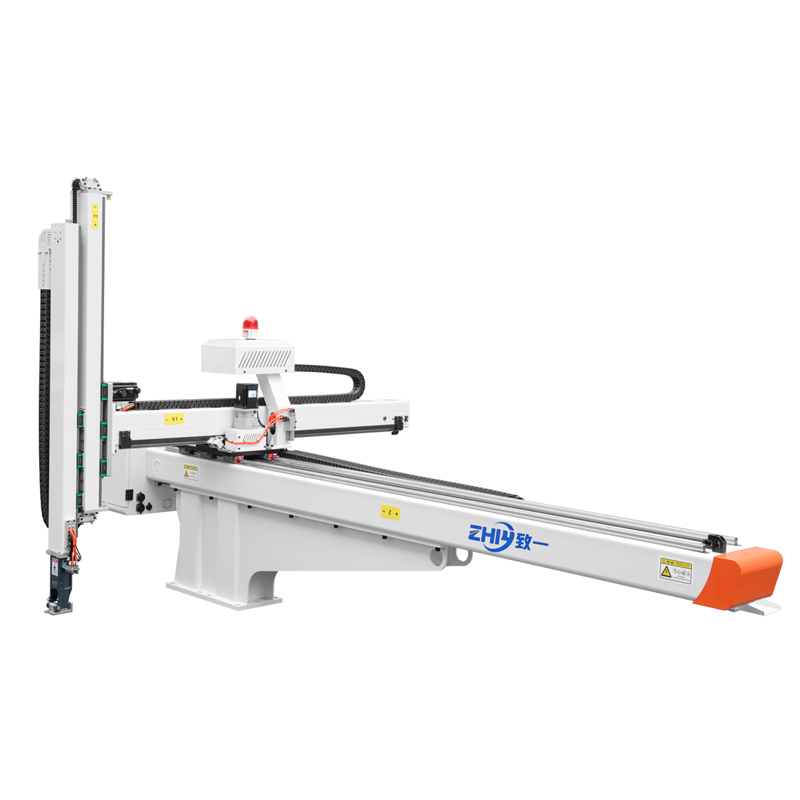
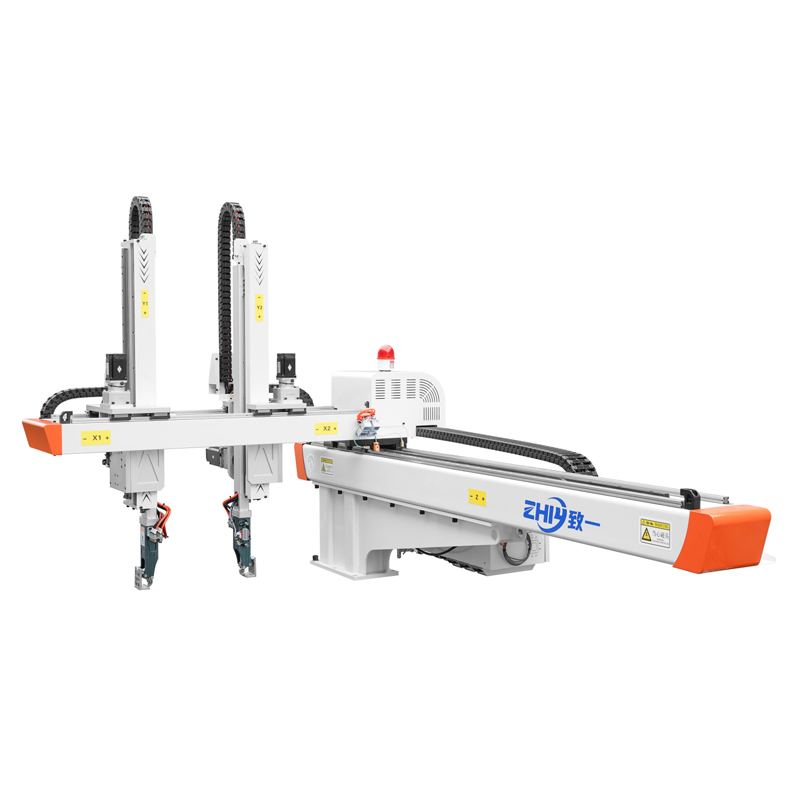
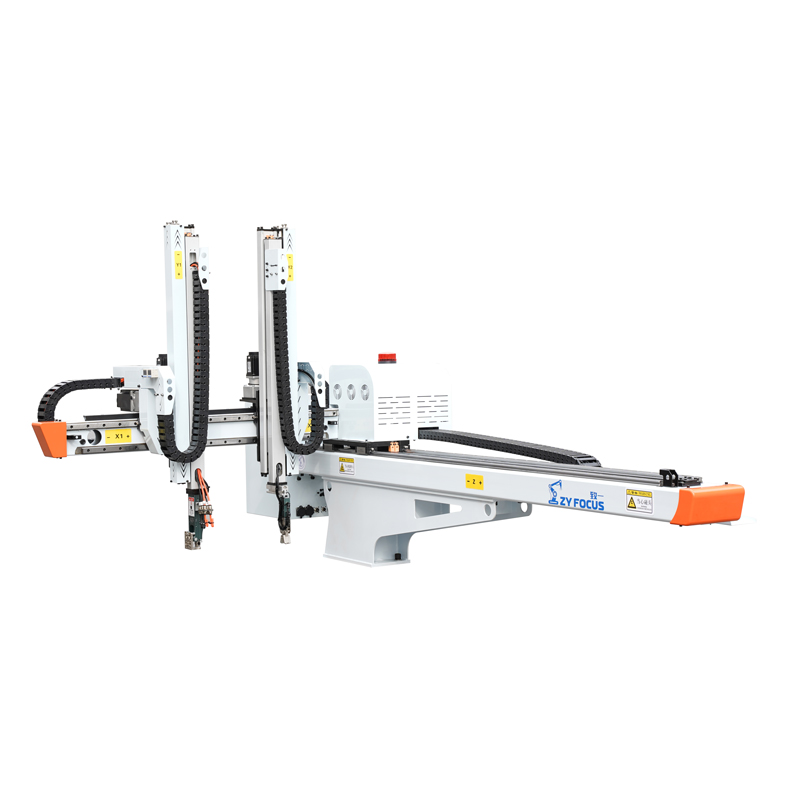
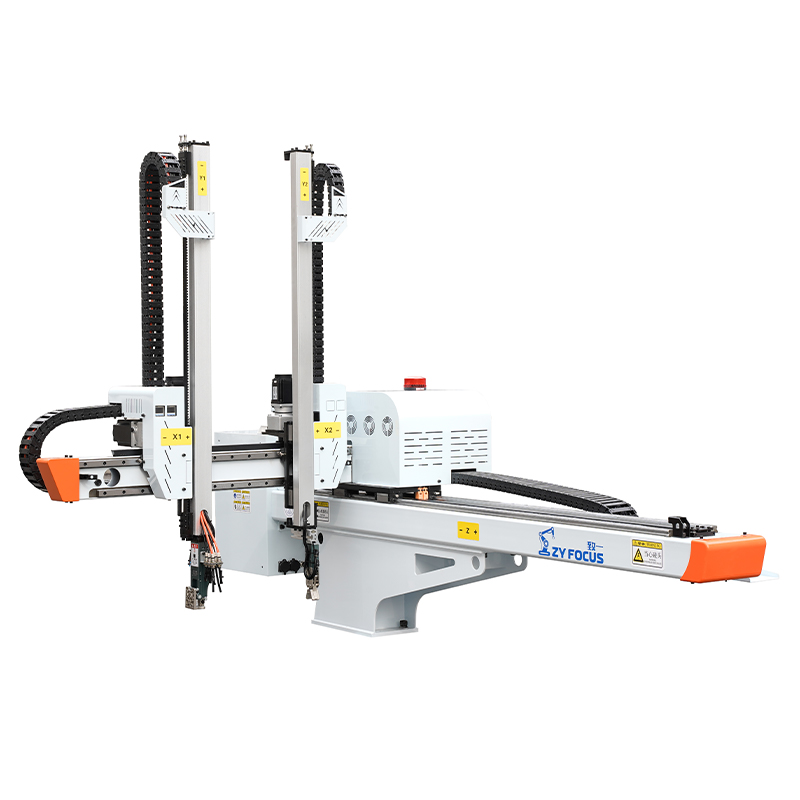
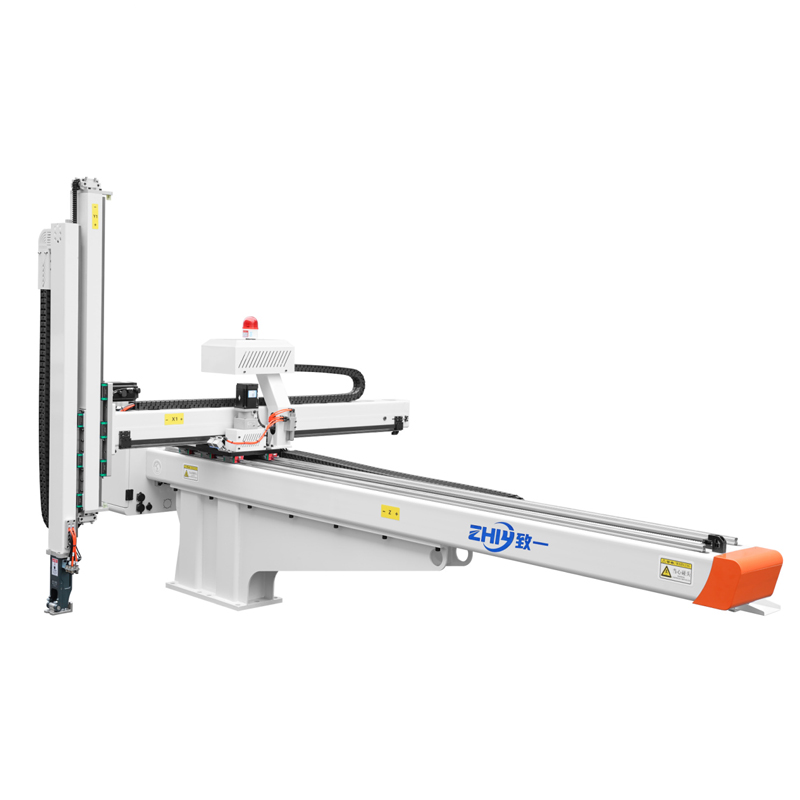
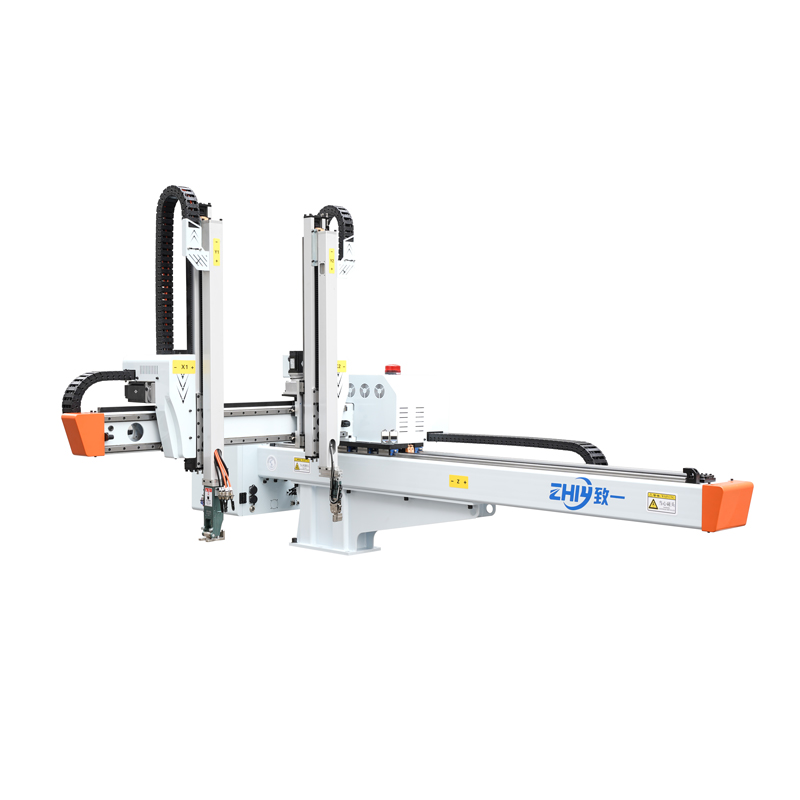
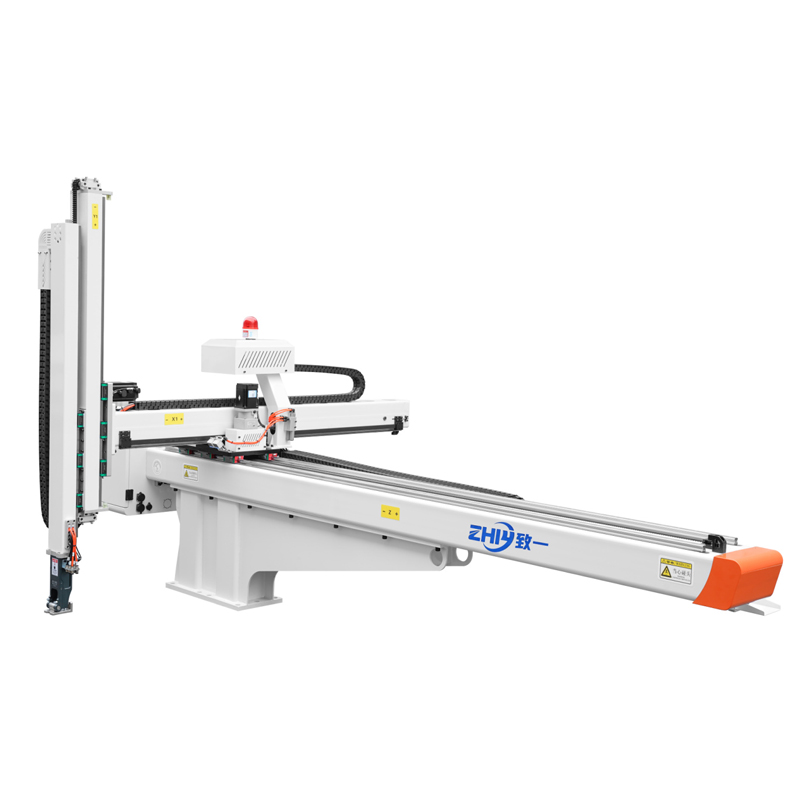
For injection molding-focused smart factories, bull head 3-axis servo robotic armshave become the mainstream automation solution for standardized product picking, mold runner removal and offline sorting. Unlike traditional pneumatic manipulators or multi-joint six-Axis Robots, this equipment relies on full servo control for X (traverse), Y (kick) and Z (vertical) three-axis linear movement, paired with a bull head vertical stand structure to deliver superior vertical stroke and structural rigidity for heavy-load and deep-cavity molds.
The core value of bull head 3-axis servo robots lies in balancing stable cycle efficiency, moderate investment cost and simple integration with Industry 4.0 production lines. Small, medium and large molding workshops across automotive, home appliance, consumer electronics and daily plastic goods widely adopt this model for unmanned single-machine operation, reducing manual dependence while unifying production data for smart factory management systems.
Many procurement teams overlook the structural differences between bull head and horizontal beam robots at the initial selection stage. Bull head frames feature reinforced vertical supports, allowing longer vertical travel and higher maximum load capacity up to 50kg, making them uniquely suitable for large plastic parts, thick-wall moldings and complex multi-cavity molds that standard horizontal 3-axis robots cannot handle stably.
Step 1: Map Your Factory Production & Molding Requirements
Before comparing robot specifications, procurement and production engineers must sort out core on-site demand data, which acts as the foundation of accurate model matching. This step eliminates mismatched equipment, extra investment and production bottlenecks after deployment.
Key information to confirm:
- Injection molding machine tonnage range Small tonnage (50T–250T): Compact single-section bull head 3-axis robots with 3–15kg load are sufficient for tiny electronic parts, cosmetic shells. Medium tonnage (280T–600T): Dual-section extended stroke models for mid-size home appliance casings, automotive small plastic components. Large tonnage (650T and above): Heavy-duty reinforced bull head structures with 30–50kg maximum load for pallets, large automotive interior parts, thick industrial plastic housings.
- Total handling weight calculation Sum finished product weight + sprue weight + fixture weight. Always reserve a 20%–30% safety load margin to prevent long-term overload deformation, vibration and motor aging. For example, if the combined handling weight hits 10kg, select a robot with a rated payload of 15kg minimum.
- Mold and workshop space constraints Record mold opening stroke, maximum mold thickness, safety door clearance and workshop ceiling height. Bull head robots have customizable single-section or double-section vertical arms to avoid mold interference during ejection. Factories with compact workshop layouts need slim body designs to save floor space without sacrificing movement range.
- Target production cycle and automation depth If only basic pick-and-place is required, standard 3-axis bull head models fully meet demand. If secondary processes like in-mold insert embedding, offline stacking and simple product inspection are planned, select programmable control versions with expandable IO ports for downstream automation equipment connection.
Step 2: Core Technical Parameters to Evaluate Before Purchase
Parameter comparison is the most critical segment of procurement screening. Focus on six quantifiable indicators directly linked to smart factory production stability and output capacity.
| Parameter | Selection Standard for Smart Factory | Production Impact |
|---|---|---|
| Rated Payload | Reserve 20%–30% extra load based on total handling weight | Underload robots cause part dropping, arm shaking, shortened service life; over-spec models waste capital and energy |
| Vertical Stroke | Match maximum mold opening distance + 150mm buffer space | Insufficient stroke leads to failed part extraction, mold collision risks |
| Repeat Positioning Accuracy | ±0.02mm ~ ±0.08mm for precision production; ±0.1mm for standard daily goods | Low precision creates inconsistent product appearance, high reject rate for 3C and medical plastic parts |
| Full Servo Configuration | All X/Y/Z axes equipped with AC servo motors, no mixed pneumatic drive | Pneumatic hybrid models generate unstable speed, vibration, cannot support high-speed continuous smart line operation |
| Maximum Operating Speed | Adjustable multi-stage speed mode | Optimize cycle time to lift hourly output; slow fixed-speed robots restrict overall line throughput |
| Environmental Protection Grade | IP54 minimum for general molding workshops; IP65 for high-dust, high-oil production areas | Low-grade internal components suffer dust and oil contamination, triggering frequent downtime in unattended smart factories |
High-load bull head 3-axis servo robots can reach a maximum 50kg payload, specially designed for factories producing large injection molded products with complex mold structures, a key advantage that differentiates them from light-duty horizontal 3-axis manipulators.
Step 3: Structural & Hardware Quality Inspection Standards
Hardware build quality determines long-term stable operation in 24/7 unmanned smart factories. Procurement teams need to audit raw material and transmission component standards rather than only focusing on surface price.
1. Main frame and beam material
Premium bull head robots adopt integrated extruded aluminum alloy beams with thickened reinforcement ribs. Thin welded steel frames are prone to bending after long-term heavy load operation, generating positioning deviation and noise. The bull head vertical support base should be cast iron with anti-vibration pads to absorb high-speed movement shock.
2. Linear guide and ball screw brands
Top-tier production models deploy well-known precision linear guides and high-speed ball screws, which deliver low friction, stable transmission and 8–10 years of service life under continuous operation. Low-cost generic guide rails wear rapidly within 1–2 years, requiring frequent maintenance and halting smart factory unmanned production.
3. Servo motor and drive system
Full closed-loop servo drive systems are mandatory for smart factory deployment. Open-loop low-cost servo solutions cannot maintain stable positioning during long-cycle mass production, and lack data feedback functions required for factory MES system docking.
4. Safety mechanical design
Check dual hard and soft limit switches for all three axes, emergency stop button, collision buffer device and anti-drop mechanical lock on the vertical arm. Unmanned smart production lines rely on these safety structures to avoid mold damage and equipment failure during unattended shifts.
Step 4: Control System & Smart Factory Compatibility Check
A core requirement for Industry 4.0 smart factories is seamless data interconnection between robotic arms, injection molding machines and central management systems. The control system is the key bridge for this integration.
1. Operation panel usability
Select intuitive touchscreen HMI control systems with multi-language switching, simple drag-and-drop programming, and pre-built standard molding cycle templates. Factory operators without advanced programming training can complete program modification quickly, reducing technical training costs for multi-shift production.
2. Equipment compatibility
The controller must support signal docking with mainstream injection molding machine brands worldwide, including digital signal exchange for mold opening, ejection and safety door interlock. Custom signal adapters increase on-site installation costs and delay production line commissioning.
3. Smart data output function
Qualified bull head 3-axis servo robot controllers reserve Ethernet communication ports to upload production cycle data, equipment fault records, operation hours and yield statistics to MES, ERP or factory central monitoring platforms. This real-time data collection is essential for unmanned factory production scheduling and predictive maintenance management.
4. Expandable automation interface
Reserved digital IO ports allow easy connection of auxiliary equipment: vacuum suction generators, mechanical grippers, in-mold insert feeders, conveyor belts and vision inspection cameras. Factories planning phased automation upgrades avoid secondary controller replacement by selecting expandable versions in the initial procurement stage.
Step 5: Match Robot Models to Typical Industry Applications
Different manufacturing verticals have distinct demands for bull head 3-axis servo robots. Below is a targeted selection reference for common smart factory sectors:
- Consumer Electronics (3C Components) Small single-section bull head models, 3–10kg payload, ±0.025mm high precision. Suitable for phone shells, connector parts, laptop housings, requiring scratch-free precision extraction and simple in-mold metal insert placement.
- Home Appliance Manufacturing Medium dual-section bull head robots, 10–25kg payload, extended vertical stroke. Applied to TV back covers, washing machine internal plastic parts, refrigerator accessories, with stable high-speed cycle operation for mass production lines.
- Automotive Plastic Parts Heavy-duty reinforced bull head 3-axis robots, 25–50kg maximum load. Matched with large tonnage injection machines for bumpers, interior trim panels, plastic pallet production, with high structural rigidity to handle oversized heavy molded products.
- Medical & Precision Disposable Plastics High-clean standard bull head robots with dust-proof sealing, low-vibration servo control. Strict repeat positioning accuracy prevents tiny medical component deformation, compliant with clean workshop production requirements.
- Daily Consumer Goods Standard economy bull head 3-axis models, balanced cost and performance. For storage boxes, plastic tableware, cosmetic containers, focusing on fast cycle speed and basic stable pick-and-place functions.
Step 6: Verify Certifications, Lifespan & Total Cost of Ownership
Many procurement teams only compare upfront purchase prices, ignoring long-term total cost of ownership (TCO), which creates hidden losses for smart factory operation.
1. Mandatory international certifications
Prioritize robots with ISO9001 quality management certification and CE safety certification, complying with global factory equipment safety standards. Uncertified equipment faces import customs clearance barriers and fails local factory safety inspection audits in overseas production bases.
2. Service life and maintenance cycle
Standard bull head 3-axis servo robots with premium hardware deliver 8–10 years of stable service under 24-hour continuous production. Confirm the supplier’s standard maintenance cycle, spare parts supply lead time and global after-sales service network. Factories with cross-border production bases need local technical support to avoid long downtime waiting for overseas technicians.
3. Full lifecycle cost breakdown
- Upfront investment: Robot body + customized fixture + installation commissioning
- Operating cost: Servo power consumption, regular lubrication and wearing part replacement
- Hidden cost risk: Low-cost unqualified robots require monthly maintenance, frequent spare parts replacement and production line shutdown losses High-quality servo robots reduce overall operating costs by up to 30% through stable low-failure operation, a core ROI advantage for smart factory long-term planning.
Step 7: Avoid Common Selection Mistakes for Factory Procurement
Summarized frequent procurement errors observed across global injection molding smart factory upgrades:
- Choosing load capacity without reserved safety margin Purchasing robots exactly matching the total handling weight leads to accelerated component wear and frequent breakdowns within 1–2 years of mass production. Always add 20%–30% load buffer.
- Confusing bull head robots with horizontal beam 3-axis robots Horizontal beam robots lack vertical structural rigidity and long stroke capacity, unable to support large molds and heavy parts. Factories with 650T+ injection machines must select bull head frame structures.
- Ignoring smart factory data interconnection function Low-cost basic controllers without Ethernet data output cannot link with MES systems, losing the core value of Industry 4.0 unmanned data management.
- Prioritizing low price over hardware configuration Generic guide rails, open-loop servo motors and thin welded frames cut initial costs but trigger repeated production halts, offsetting short-term savings with massive output losses.
- Neglecting workshop environmental adaptability Factories with high oil mist, dust or cleanroom standards skip IP grade inspection, resulting in rapid internal component corrosion and short equipment lifespan.
Real-World Case Reference: Smart Factory Automation Upgrade
A large automotive plastic component smart factory equipped with 420T–780T injection molding machines previously deployed light horizontal robotic arms, which generated consistent vibration during heavy bumper picking, causing 12% reject rate and frequent mold collision alarms.
After switching to heavy-load bull head 3-axis servo robots with 40kg rated payload, reinforced cast iron bull head base and full closed-loop servo control:
- Product reject rate dropped to below 1.8%
- Single molding cycle shortened by 2.7 seconds, lifting daily output by 18%
- Robot failure maintenance frequency reduced by 76%
- Equipment data successfully synchronized to the factory central MES platform for real-time production monitoring
The factory recovered the additional equipment investment within 11 months through labor savings and output improvement, verifying the long-term value of targeted bull head robot selection for heavy-load smart molding production lines.
Frequently Asked Questions
Q1: What is the core difference between bull head 3-axis and five-axis servo robots for smart factories?
A: Bull head 3-axis robots focus on linear pick-and-place tasks with higher load capacity, lower investment and simpler maintenance, ideal for standardized mass production. Five-axis robots add rotational servo axes for complex flipping, multi-angle insert molding and multi-station sorting, suitable for high-complexity precision parts with higher equipment costs. Most general injection molding smart factories can fully rely on 3-axis bull head models to meet core automation demands.
Q2: Can bull head 3-axis servo robots support fully unmanned lights-out factory operation?
A: Yes, models equipped with full safety interlock systems, fault automatic alarm, remote data upload and expandable downstream conveyor sorting functions can operate unattended across multiple shifts, matching lights-out smart factory production requirements.
Q3: How long does supplier commissioning take after robot delivery?
A: Standard single machine installation and program debugging take 1–2 working days. For multi-robot linked smart production lines with MES docking, full commissioning is completed within 3–5 days with professional technical support teams.
Q4: Is customized fixture compatible with standard bull head 3-axis robots?
A: All standard models reserve universal fixture mounting interfaces, supporting custom combination grippers, vacuum suction fixtures and insert jigs tailored to unique product shapes without modifying the robot main body.
Final Conclusion & Procurement Checklist
Selecting a suitable bull head 3-axis servo robotic arm is a strategic investment for smart factory injection molding automation, rather than a simple equipment purchase decision. The optimal selection logic follows a clear sequence: clarify on-site production demands → screen matching core technical parameters → audit structural hardware quality → verify smart system compatibility → match industry application models → calculate full lifecycle cost and supplier service capacity.