Leave Your Message
Factory Acceptance Testing (FAT) for Servo Robots: A Pre-Shipment Verification Checklist for Injection Molding Buyers
Factory Acceptance Testing (FAT) for Servo Robots: A Pre-Shipment Verification Checklist for Injection Molding Buyers
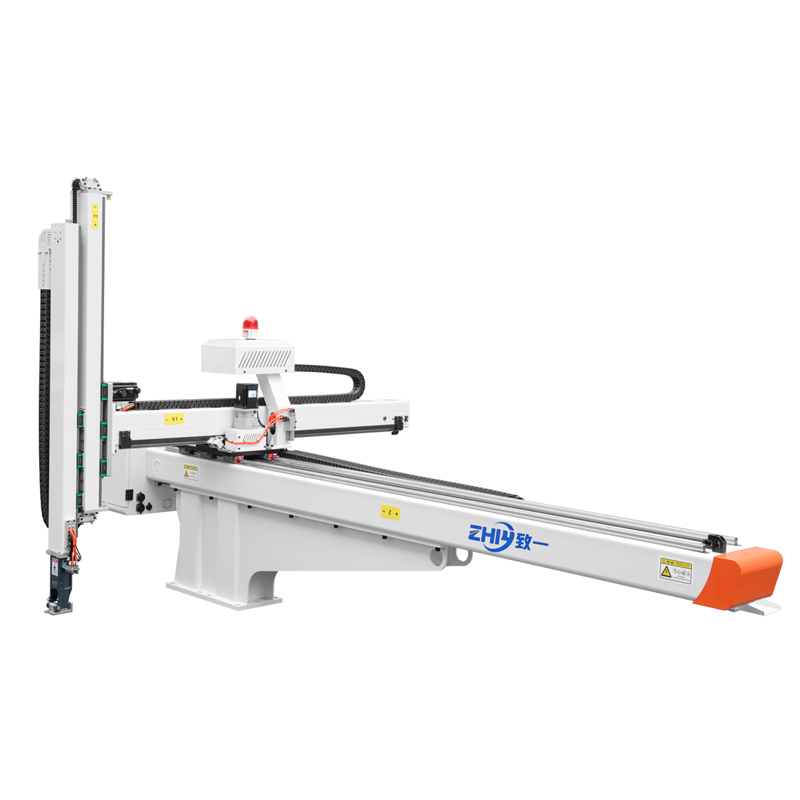
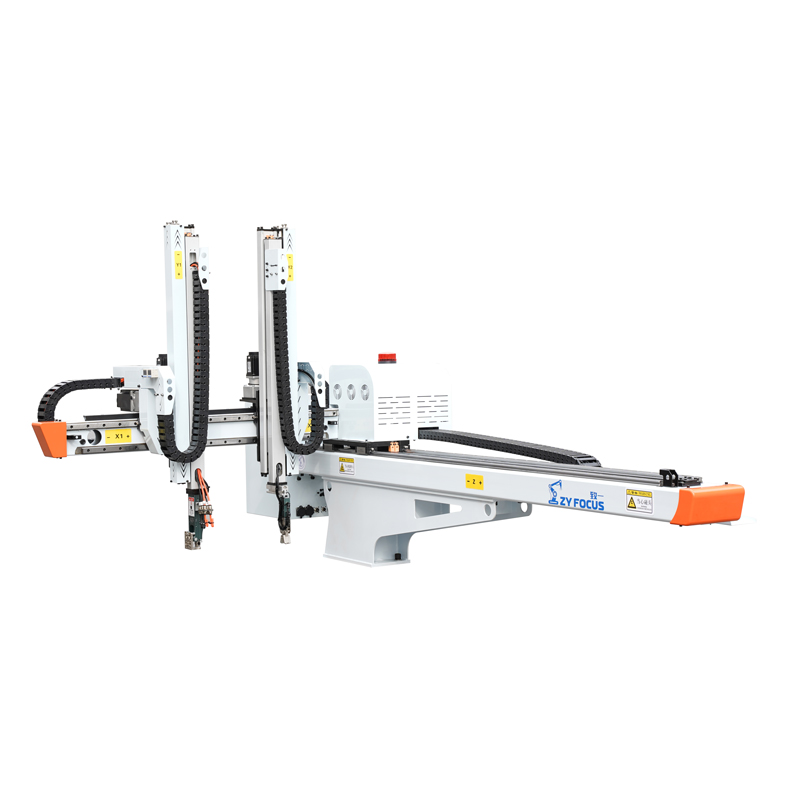
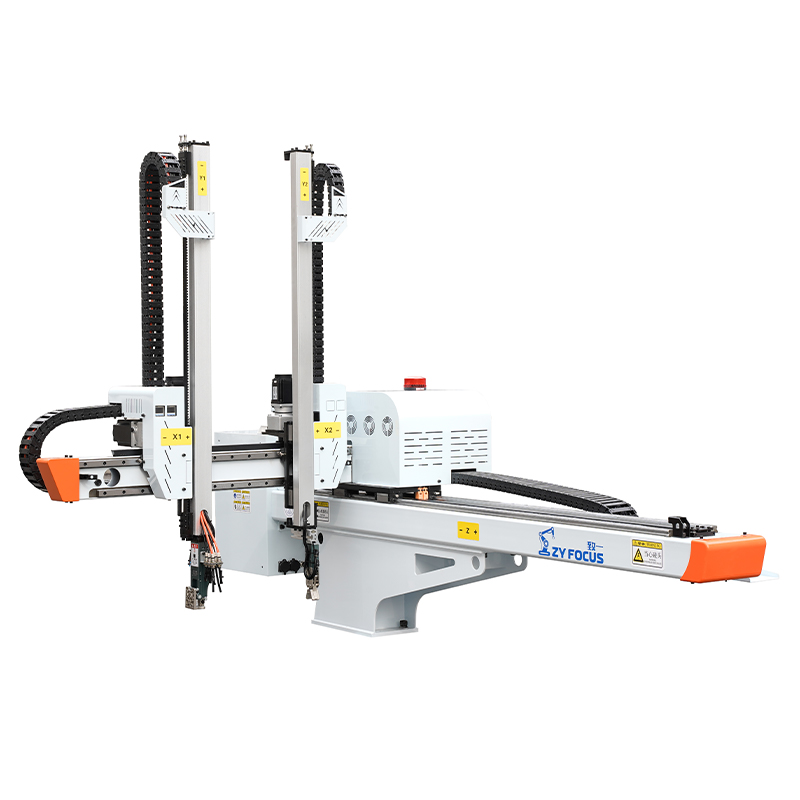
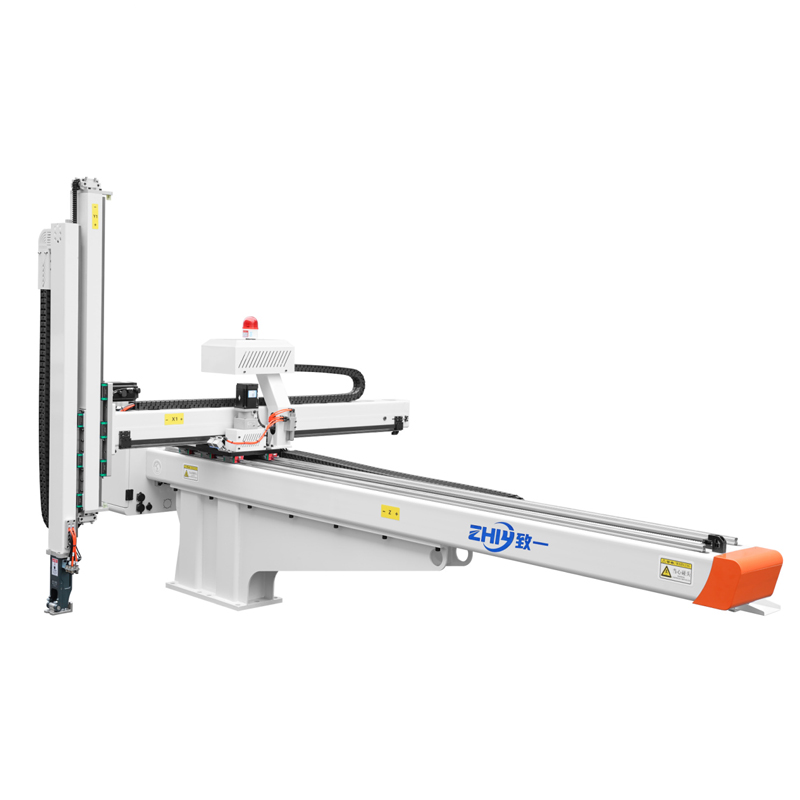
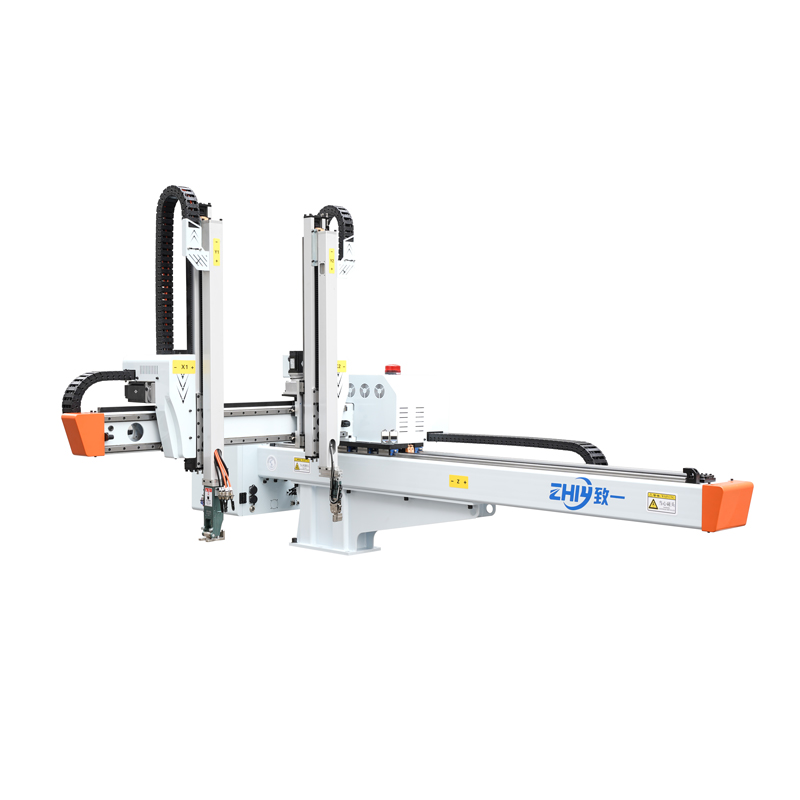
When an injection molding plant in Germany, Mexico, or Southeast Asia places an order for a servo robotfrom a Chinese manufacturer, the container leaving the factory in Zhejiang is the last point of easy correction. Once The Robotic Arm is crated, loaded, and shipped across an ocean, a miswired I/O signal or a 0.5-second cycle overrun becomes a two-week delay and a round-trip air-freight bill. The single most effective control a buyer has against that risk is a disciplinedfactory acceptance test (FAT)performed before payment of the final balance. This article walks procurement managers, plant engineers, and equipment dealers through a practical, repeatable FAT protocol built specifically for servo robots and robotic arms used on Injection Molding Machines.
For buyers sourcing from zhiyirobotics.com, FAT is not a courtesy tour of the assembly floor. It is a contractual milestone tied to the remaining 10 to 20 percent of the order value. Treat it that way, and you convert a vague "it runs" impression into documented evidence that the machine meets the specification you paid for. A robot that passes a structured FAT arrives at your dock as a known quantity rather than a gamble, and that certainty is worth far more than the few hours it takes to run the test properly.
Why Pre-Shipment Verification Matters for Overseas Buyers
The economics of cross-border automation procurement are unforgiving. A 3-axis servo robot for a 650-ton molding machine may represent a modest capital line item on its own, but the cost of discovering a defect after commissioning includes lost production, local technician travel, and the opportunity cost of a stopped cell. Overseas buyers cannot simply drive to the supplier's workshop to resolve a problem, so the factory floor in China is the cheapest place in the world to find and fix a fault. Every defect caught in Zhejiang is a defect that never reaches your operators.
A well-run FAT also protects the buyer's relationship with the end customer. Equipment dealers who resell servo robots under their own brand are ultimately responsible for performance in the field. Catching a communication handshake failure during FAT, rather than during a customer's Saturday night shift, is the difference between a warranty claim and a reference account. The test is therefore not bureaucracy; it is risk transfer in your favor, executed at the one moment when the supplier still has the jig, the spare drive, and the engineer on hand to correct it.
Building the FAT Protocol Before You Order
The biggest mistake buyers make is negotiating the FAT after the robot is built. The acceptance criteria should be written into the proforma invoice and the technical agreement, not improvised on the day of the test. A supplier that knows the bar in advance will build and tune to it; a supplier that learns the bar on test day will argue with it. The protocol document should be a short, numbered list of pass-or-fail conditions, each tied to a measurable value, with the person responsible for recording the result named in advance.
Define the Mold and Part Conditions
Your FAT is only as relevant as the test conditions match your real production. Provide the supplier with the actual mold drawing, part weight, demold temperature, and take-out geometry. If you plan to run a family mold or stack tool, say so. A robot demonstrated on a light dummy part will pass easily, then struggle with your 480-gram polypropylene component and its sticky undercuts. The test must simulate the worst credible case, not the best-looking demo. Send the supplier your part sample by courier if possible so the EOAT can be validated against the real geometry rather than a CAD approximation.
Agree on Acceptance Criteria in Writing
Put numbers on paper. Specify the maximum allowed take-out time, the repeatability tolerance in millimeters, the noise ceiling in decibels, and the required number of consecutive successful cycles. Buyers who leave these values open invite subjective disagreement. A written criterion such as "complete 500 cycles at 2.8-second take-out with zero missed pick and +/-0.15 mm placement repeatability" removes ambiguity and gives the supplier a concrete target. Where local regulations apply, also record the required marking, such as CE for Europe or NR12 for Brazil, so the unit is inspected against the right compliance framework from the start.
Mechanical and Structural Inspection
Before any motion test, the robot should be inspected statically. This is the part of FAT most overseas buyers skip on a remote video call, and it is where the cheapest defects hide. A servo robot is a precision mechanism, and small oversights in assembly propagate into field failures that are hard to diagnose later. Budget real time for the static check rather than rushing to see the arm move.
- Check the linear guide rails and servo-driven traverse beam for machining marks, rust inhibitor residue, and bolt torque verification against the spec sheet.
- Confirm the gripper mounting plate and EOAT interface match the agreed pattern and bore spacing so your tooling mounts without redrilling.
- Verify the vertical and horizontal stroke against the quoted figures with a steel tape, not the HMI readout alone, because a misconfigured soft limit can hide a short mechanical stroke.
- Inspect cable carriers for correct routing and strain relief, since a chafed encoder cable is the most common cause of intermittent field failures.
- Confirm nameplate data, CE or relevant local marking, and rated payload match the order exactly.
- Check the base mounting holes and tie-bar clamp geometry against your injection molding machine platen drawing before the unit is crated.
Photograph every inspection point. A dated photo set taken during FAT becomes your baseline when a warranty dispute arises nine months later over a cracked bracket, and it also gives your installation team a reference for how the machine looked when it left the factory. Keep the images in the same folder as the signed acceptance report so the record is complete.
Motion Performance and Cycle-Time Verification
The commercial reason you bought a servo robot is take-out speed and consistency. FAT is where you prove the supplier delivered it, and where vague sales claims about "fast cycle times" are converted into measured numbers you can defend.
Take-Out Time and Repeatability
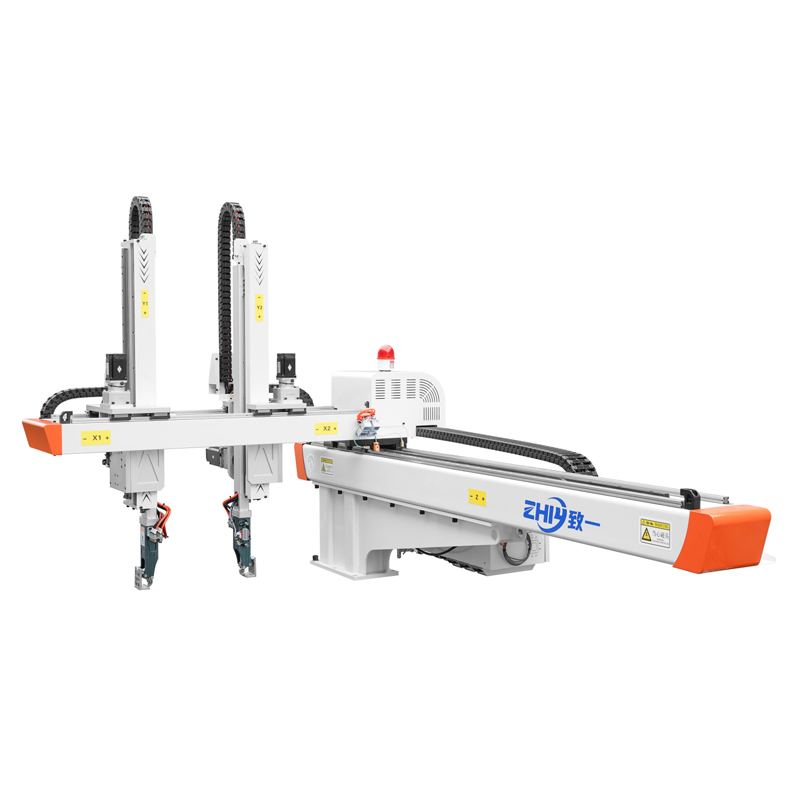
Run the robot through the full demold-and-place sequence using your actual part or an accurate surrogate. Record the take-out time from mold-open signal to clear of the platen. Repeatability should be measured by placing parts into a fixture nest over a minimum of 100 cycles and checking the spread. A 5-axis servo double arm configured for parts removal and insert loading should demonstrate both motions without collision and within the quoted cycle. For buyers evaluating automotive programs, our material on Automotive Parts Molding with 3-Axis Servo Robotic Arm covers the cycle targets typical of that segment, and those targets are exactly what the FAT should be measuring against.
Load and Payload Testing
Test at 100 percent of rated payload, then at 110 percent for a short burst to confirm the servo drives do not fault or overheat. Watch the amplifier temperature and current draw on the controller. A robot that trips its protection at 105 percent of rated load will fail the first time a mold engineer adds a sprue nipper to the gripper. Also exercise the full speed range from creep to maximum, because some defects only appear at the velocity extremes your production will actually use during short-cycle runs.
Electrical, Control and Safety Checks
A servo robot is only safe because of its control logic, not its mechanical strength. FAT must verify the safety architecture, not just that the axes move, because a robot that moves but cannot be stopped reliably is a liability the moment a person enters the cell.
Safety Circuits and Guarding Interlocks
Verify the emergency stop architecture is wired as a hardwired safety chain, not a software-only latch. Open each guard door interlock and confirm the robot halts and cannot restart until reset. Test the light curtain or safety scanner zone if supplied. For a complete cell, planning the safety fencing layout before shipment avoids field rework, and the FAT is the right moment to confirm the fencing footprint matches your floor plan and that the robot's safety I/O is mapped to your cell controller. Request the safety relay model and the wiring logic diagram so your local electrician can verify compliance independently.
Communication Handshake with the Molding Machine
Run the robot against the actual brand and model of injection molding machine you will use, or a documented protocol emulator. Confirm the mold-open signal, ejector-forward signal, robot-ready signal, and cycle-start permission exchange correctly. A robot that "almost" talks to the press will cost you a week of signal debugging on site. Test both automatic and manual modes, and confirm the alarm propagation: when the robot faults, the molding machine must stop, and when the press faults, the robot must park safely. Record the signal timing on the controller trace so you have evidence the handshake is clean rather than marginal.
Documentation and Spare-Parts Packing
FAT is also the audit point for everything that ships in the crate. Missing manuals and wrong spare parts are the silent killers of a smooth commissioning, and they are far cheaper to catch in the supplier's warehouse than on your receiving dock.
- Confirm the operation manual, wiring diagram, and spare-parts list are included and in the agreed language, with the as-built serial number printed on the cover.
- Verify the supplied spare-parts kit matches the signed packing list: fuses, gripper seals, encoder spares, and the specific EOAT components quoted.
- Check that the controller firmware version is recorded and that a configuration backup is delivered on a USB stick you can read immediately.
- Confirm the training video or commissioning checklist is present for your operators, and that any bilingual labels are legible.
- Verify the crating method, desiccant, and export documentation match the Incoterms agreed in the contract.
Dealers who private-label Zhiyi Robotics equipment should request the documentation in editable format so branding and local-language overlays can be applied before resale. Ask for the native source files, not only a PDF, because a trapped PDF cannot be re-branded cleanly and will force a reissue later when a customer requests a localized manual.
Running a Remote or Witnessed FAT
Not every buyer can fly to Zhejiang for the test. A remote FAT over a stable video link is acceptable if the protocol is rigid and the camera angles are agreed in advance. Position one camera on the HMI so the cycle counter and fault log are legible, one on the robot cell, and one on the measurement fixture. Require the supplier to log each test result in real time into a shared sheet that both parties can see. For high-value 5-axis or double-arm cells, a witnessed FAT by a third-party inspection agency is worth the fee; the agency acts as your eyes and signs the acceptance report you withhold final payment against. Brief the inspector with your exact criteria beforehand so there is no ambiguity about what constitutes a pass.
Tip: Schedule the FAT at least two weeks before your target container cut-off so a failed item can be reworked without pushing your whole shipment.
Common FAT Failures and How to Avoid Them
The recurring FAT failures we see across the industry are predictable. Undersized servo drives that overheat after 200 cycles, EOAT mounting patterns that do not match the buyer's tooling, I/O maps that assume a different press brand, and documentation that describes a different firmware revision. Each of these is invisible in a photograph of a running robot and only emerges under a structured test. The defense is simple: write the criteria before building, simulate your real part, test to the worst case, and document every result. Buyers who follow this discipline report dramatically fewer field commissioning issues and a shorter time from crate opening to first good part.
For applications involving complex geometries, the guidance in Five-Axis Servo Double Arm for Industrial Equipment Housings illustrates how axis configuration choices made at the order stage show up as FAT pass-or-fail conditions later. The same logic applies to single-arm versus double-arm layouts: the FAT is where you confirm the chosen configuration actually delivers the promised throughput on your specific mold.
FAQ
How long does a typical servo robot FAT take?
A focused FAT for a single 3-axis or 5-axis servo robot usually runs between half a day and a full day, including static inspection, motion verification, safety testing, and documentation review. Double-arm or multi-robot cells may require two days to exercise both motions and the handoff sequence thoroughly without rushing the measurement steps.
Can I run a FAT remotely without visiting the factory?
Yes. A remote FAT works well when the protocol, camera angles, and result-logging method are agreed in advance. For high-value or safety-critical cells, engage a third-party inspector to witness the test and sign the acceptance report on your behalf, which gives you the same assurance as being present.
What should I do if the robot fails one acceptance criterion?
Document the failure with video and measurement data, agree a corrective-action deadline with the supplier, and withhold the final payment milestone until the re-test passes. Do not accept a verbal promise to "fix it at commissioning," because that shifts the cost and risk to your floor and weakens your leverage once the unit has shipped.
Which documents must be present at FAT?
At minimum, require the as-built operation manual, electrical wiring diagram, spare-parts list, firmware version record, configuration backup, and the signed packing list. These should reference the actual serial number of the unit being tested, not a generic model brochure, so the paperwork matches the machine you receive.
Should the molding machine be present during FAT?
Ideally yes, or a protocol emulator that mimics your press brand's I/O. Testing the communication handshake against the real controller is the only way to confirm the robot will start and stop in sync with your injection molding machine on site, rather than merely demonstrating that the arm can move on its own.
Does FAT apply to dealer private-label orders?
It applies even more strongly. Dealers should require the FAT report and editable documentation before applying their own branding, so that any discrepancy is resolved at the factory rather than after the unit reaches an end customer and a support ticket is already open.
Related Pages
- 3-Axis Servo Robots for Food-Grade Silicone Molding
- Automotive Parts Molding with 3-Axis Servo Robotic Arm
- Five-Axis Servo Double Arm for Industrial Equipment Housings
Ready to source servo robots and robotic arms for your injection molding line from zhiyirobotics.com?