
Leave Your Message
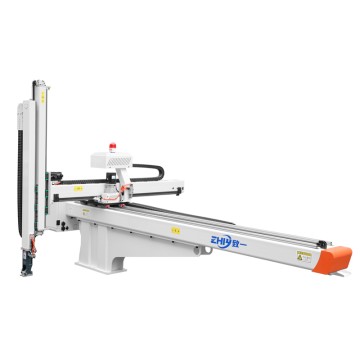
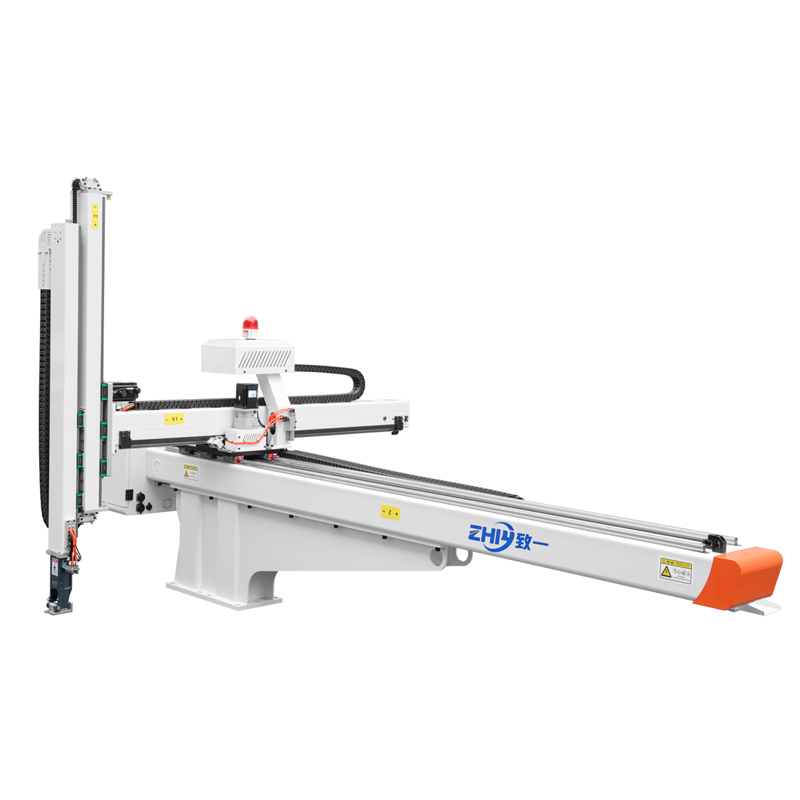
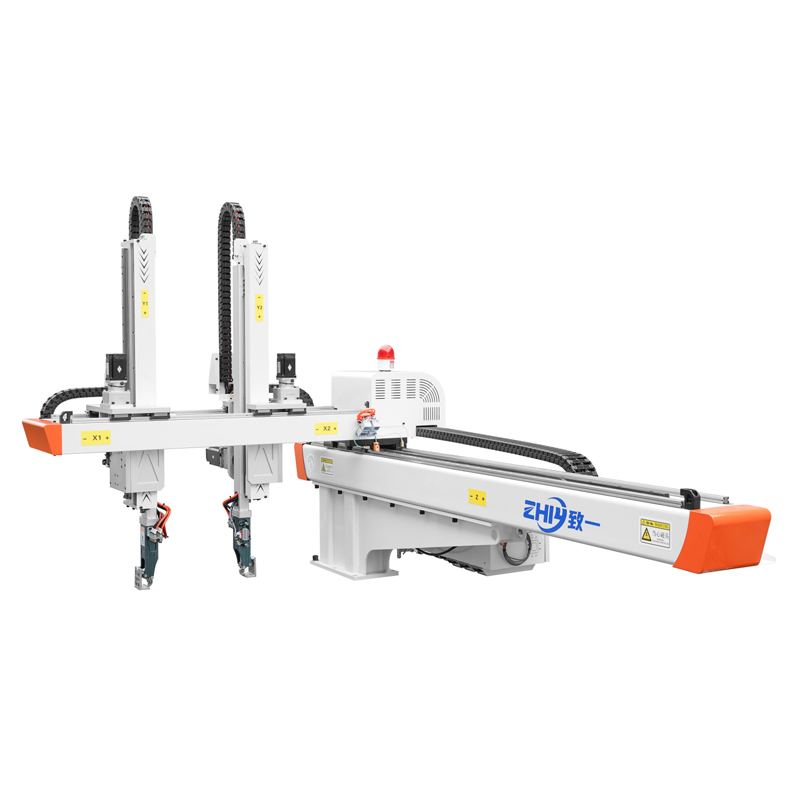
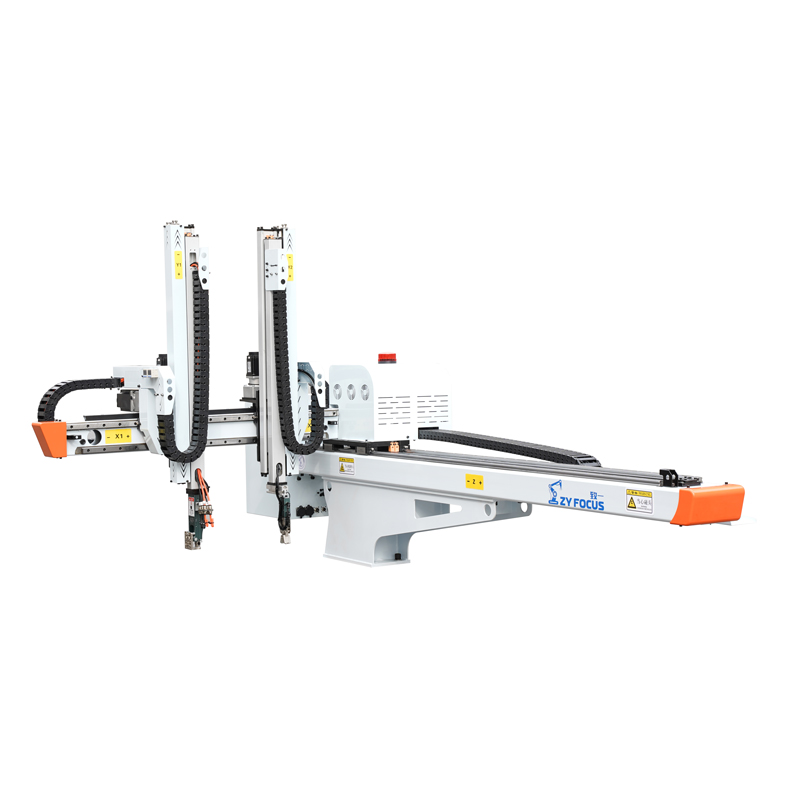
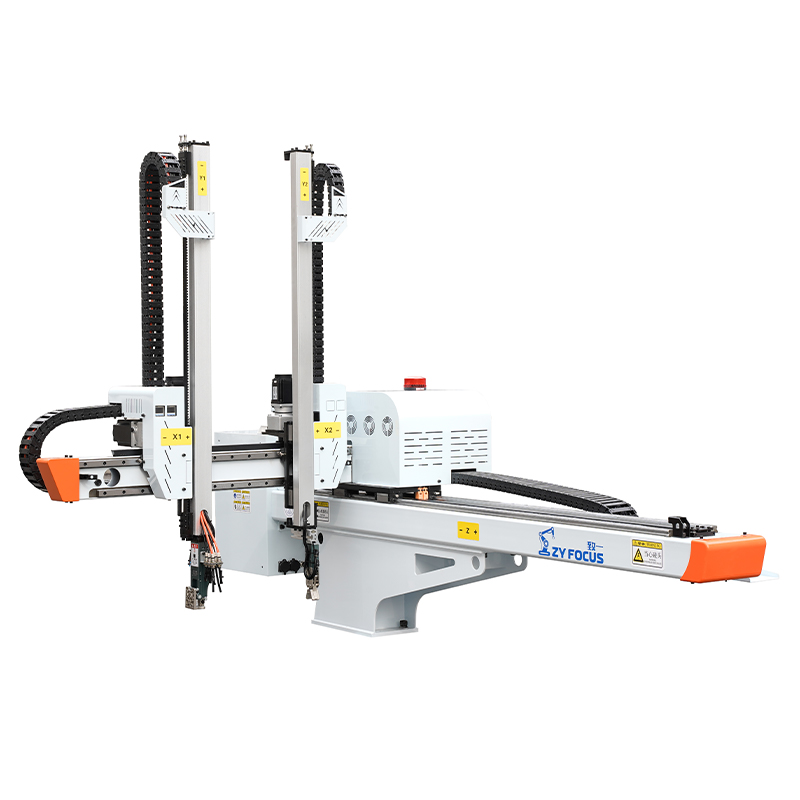
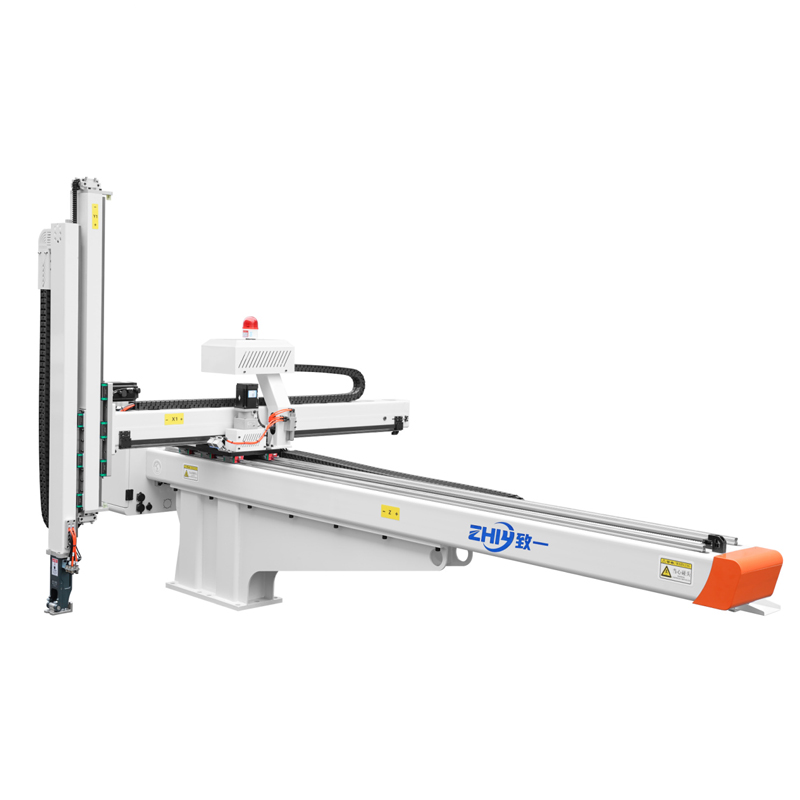
Double-Section Robotic Arm for Deep-Cavity Molding
For injection‑molding operations working with deep‑draw and deep‑cavity parts, selecting the right robotic armdirectly shapes cycle time, part yield and overall production profitability. Many production teams run into avoidable bottlenecks when standard single‑section robots cannot reach deep‑cavity mold cavities reliably. This article breaks down what double‑section Robotic Arms bring to deep‑cavity molding workflows, key buying considerations, real‑world use‑cases, and common pitfalls buyers should watch out for.
What Makes Deep‑Cavity Molding So Demanding for Automation
Deep‑cavity molded components include cosmetic containers, long‑shell automotive parts, large‑size housing assemblies and deep‑draw consumer goods. These parts feature long draw depths, complex inner geometry and tight mold opening constraints.
Standard single‑section robotic arms face clear limitations in these environments.
- Limited vertical reach creates difficulties reaching fully into deep mold cavities without mechanical collisions.
- Longer overall arm height imposes strict requirements on workshop ceiling height, often conflicting with overhead cranes or factory piping.
- For long‑depth parts, acceleration and deceleration movements introduce vibration, risking surface scratches or part deformation during extraction.
- Complex ejection sequences frequently require manual intervention, breaking fully‑automatic production cycles and raising labor costs.
Many facilities attempt to adapt generic Robot Models for deep‑cavity tasks. The result is often higher scrap rates, longer cycle times and unexpected downtime. A double‑section robotic arm solves these core pain points with its segmented telescopic arm design.
How Double‑Section Robotic Arms Perform in Deep‑Cavity Molding Environments
The double‑section (telescopic two‑stage) arm uses nested arm segments. When fully extended, it delivers long reach for deep‑cavity mold access. When retracted, it keeps compact overall machine height. This mechanical difference creates tangible operational advantages for molding buyers.
Compact Footprint and Height‑Saving Layout
The most immediate practical benefit is reduced installed height compared to single‑section arms with identical effective stroke.
For factories with limited overhead clearance — where overhead cranes, ventilation ducts or building structural beams restrict maximum equipment height — double‑section designs fit into existing workshop layouts without costly facility reconstruction. You get the long vertical reach required for deep cavities, while respecting your site’s physical limits.
Stable Extraction for Long‑Depth Parts
Deep‑cavity parts often have thin‑wall sections and delicate inner surfaces. Unstable robot movement during part removal can cause scuffing, cracking or part mis‑placement.
Well‑engineered double‑section arms use reinforced beam structures and precision linear guide assemblies. They maintain repeatable positioning accuracy even at full extension. Consistent motion control lowers the risk of part damage during ejection and pick‑up, supporting higher finished‑part yield.
Compatibility With Complex Mold Sequences
Deep‑cavity molds are frequently three‑plate molds or molds with complex ejection mechanics. Double‑section robotic arms support multi‑step workflows: part extraction, sprue / runner removal, part rotation, stacking, and hand‑off to downstream stations.
Depending on the configuration, these robots can handle synchronous tasks. One segment can manage finished‑part removal while secondary end‑effectors take care of sprues or insert placement. This cuts down total cycle time compared to sequential manual‑assisted operations.
Typical Real‑World Application Scenarios
Double‑section robotic arms are widely adopted across multiple molding sectors where deep‑cavity geometry is common.
Cosmetic & Packaging Molding Tall cosmetic jars, deep‑wall containers and long‑tube packaging components. Deep cavity depth combined with high‑surface‑finish requirements demand steady, low‑vibration part take‑out to preserve surface quality.
Automotive Component Production Deep‑draw interior housings, long structural plastic shells and cavity‑rich automotive plastic parts. Production volumes are high, and reject costs for defective components are substantial. Stable automated pick‑and‑place reduces reject risk.
Large‑Size Household Appliance Housings Deep‑form refrigerator or washing‑machine internal shells. Large part dimensions call for long reach, while many appliance factories have constrained ceiling space where single‑section arms cannot physically install.
Custom Industrial Deep‑Draw Parts Custom‑order deep‑cavity technical parts for industrial equipment. Batch sizes vary, so flexible programmable robot motion paths become critical for fast mold‑change‑over.
Key Evaluation Criteria for Buyers Sourcing Double‑Section Robotic Arms
When you compare double‑section robotic arm options for deep‑cavity molding projects, look beyond headline stroke numbers. Use these practical evaluation points for your procurement decision‑making.
- Stroke versus installed height ratio Confirm fully‑retracted machine height against your workshop ceiling and crane clearance. A long effective reach with minimal retracted height is the core value of double‑section architecture.
- Rigidity at maximum extension At full telescopic extension, beam deflection will impact positioning repeatability. Request performance data for positioning accuracy under full‑reach working payload. Avoid models that lose precision under extended‑arm operating conditions.
- Payload calculation including end‑effector weight Calculate total payload as finished‑part weight plus gripper / vacuum tooling weight, and keep a reasonable safety margin. Under‑spec payload leads to accelerated wear and accuracy drift in long‑run production.
- Cycle‑time performance under deep‑cavity workflow Do not only review general‑spec cycle‑time figures. Ask for real‑application cycle‑time data from similar deep‑cavity mold projects. Pure‑spec sheet numbers rarely reflect real‑mold movement sequences.
- Control‑system flexibility Check programming ease for multi‑step deep‑cavity extraction sequences. Fast teaching, saved mold‑specific programs and good I/O expandability simplify mold‑change‑over for mixed‑batch production.
- Certification and mechanical testing records Confirm relevant industry certifications and full‑load aging‑test documentation. Robots deployed in continuous‑run molding workshops must withstand heavy cyclic operation.
- Global‑service and spare‑part accessibility Evaluate warranty scope, remote‑support availability, lead‑time for wear‑parts supply and operator training resources. Service accessibility directly determines your production uptime over the equipment lifespan.
Common Mistakes to Avoid When Specifying Double‑Section Robots
Even experienced production teams make predictable mis‑steps when selecting double‑section robotic systems for deep‑cavity molding.
Mistake 1: Only matching Robot Stroke to mold depth Stroke alone is not enough. You also need to account for mold‑plate opening travel, safety‑door clearance and gripper physical dimensions. Neglecting these factors causes on‑site installation failures.
Mistake 2: Ignoring deflection risk at full extension A double‑section arm stretches to its maximum length during deep‑cavity pick‑up. Low‑rigidity designs flex, creating part‑scrap risk. Do not rely purely on published repeatability figures measured in retracted position.
Mistake 3: Overlooking floor‑to‑ceiling site constraints Buyers sometimes select double‑section units expecting height savings without measuring actual overhead obstacles such as cranes, pipes and lighting frames. Always perform full‑site dimension surveys before finalizing orders.
Mistake 4: Under‑estimating end‑effector payload weight Many teams calculate payload only by product weight and forget gripper, vacuum cup and fixture mass. The combined weight adds significant load to telescopic segments.
When Should You Stick With Single‑Section Robots Instead?
Double‑section robotic arms are not always the best solution. Single‑section arms remain a solid choice under these conditions:
- Your cavity depth is moderate, and your workshop provides abundant overhead height.
- Molds are simple two‑plate molds with short draw‑depth parts.
- Priority is given to lowest‑possible equipment investment for straightforward pick‑and‑place tasks.
Double‑section architecture adds mechanical complexity. For shallow‑cavity simple‑part production, single‑section alternatives can deliver sufficient performance at lower total cost.
Final Takeaways
Deep‑cavity molding creates unique automation challenges that standard single‑section robotic hardware often cannot resolve. Double‑section robotic arms deliver extended reach with compact retracted height, stable part‑extraction performance and flexibility for complex mold sequences.
Successful procurement is not just picking the longest‑reach robot available. It requires matching stroke, rigidity, payload and control‑system capabilities to your real molds, your existing workshop physical limits and your long‑term service requirements.
When properly specified, double‑section robotic systems reduce manual intervention, cut scrap rates and stabilize cycle‑time for deep‑draw molded‑part production.
Frequently Asked Questions
Q: Will double‑section arms have slower cycle‑times compared to single‑section models? A: Not inherently. Modern servo‑driven double‑section arms achieve competitive cycle‑times. Performance depends on motor sizing, beam rigidity and motion‑path tuning. Under deep‑cavity conditions, double‑section units often deliver faster full‑sequence cycles than single‑section robots forced to work within height‑limited spaces.
Q: Do double‑section robotic arms need more frequent maintenance? A: Telescopic segments add guide‑rail and sliding‑component wear points. With scheduled lubrication and standard preventive maintenance intervals, well‑built double‑section robots deliver multi‑year service life comparable to single‑section alternatives.
Q: Can I retrofit an existing injection‑molding machine with a double‑section robotic arm? A: In most cases yes. Compatibility depends on injection‑machine interface signals, surrounding space constraints and safety‑door opening geometry. A pre‑project site assessment is strongly recommended before purchase.
Q: What is the main difference between double‑section and five‑axis double‑arm robots for deep‑cavity work? A: Double‑section describes the telescopic mechanical‑arm structure. Five‑axis or dual‑arm defines axis‑count and number of working arms. You can find three‑axis double‑section robots as well as five‑axis double‑section dual‑arm variants. Select axis‑count and arm‑count according to whether you only need part take‑out, or you also require insert‑loading, rotation or multi‑task parallel operations.