
Leave Your Message
0102030405
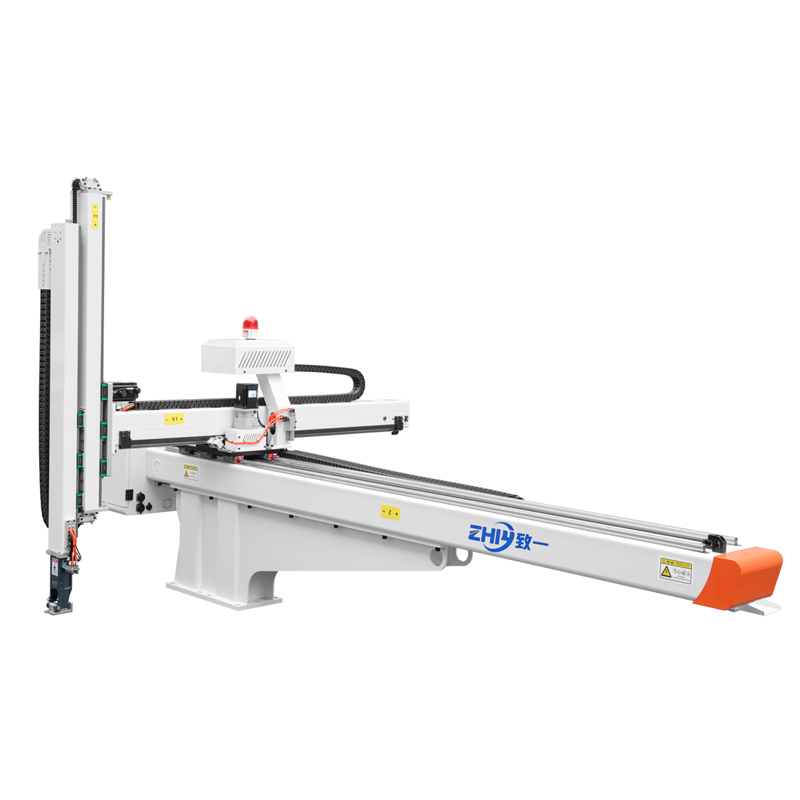
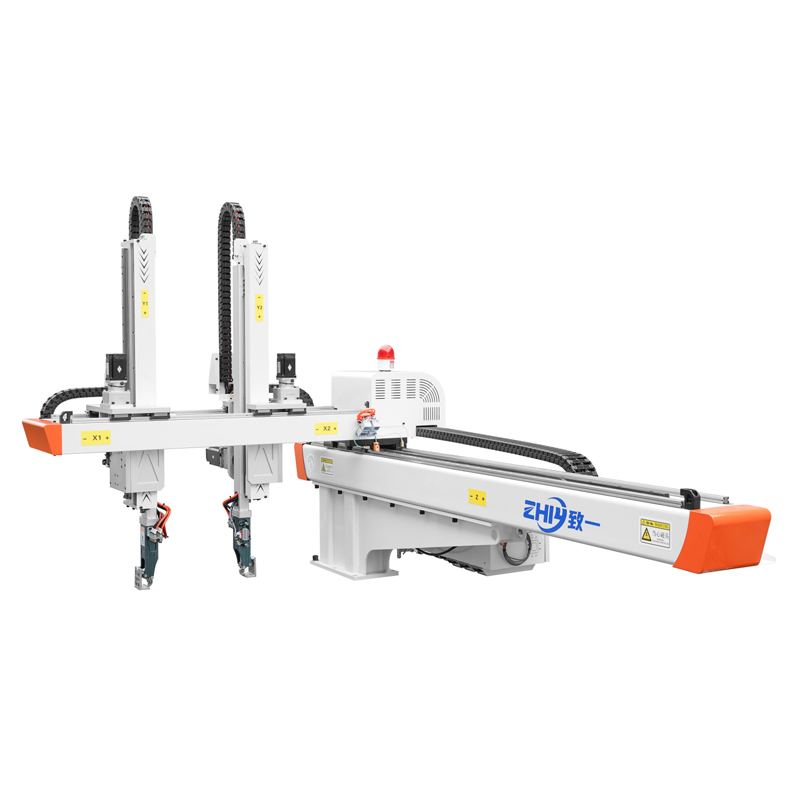
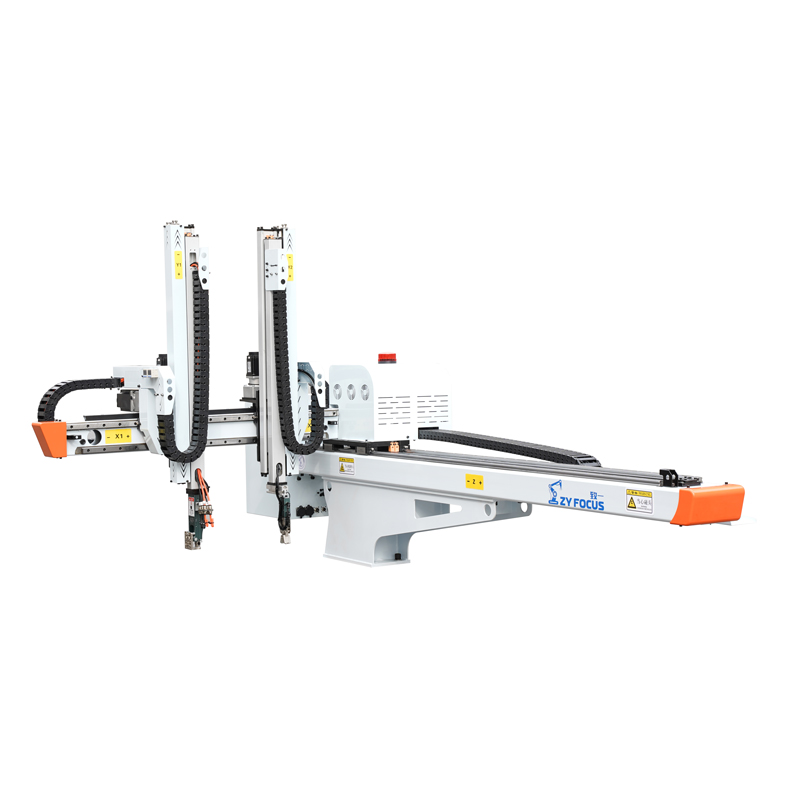
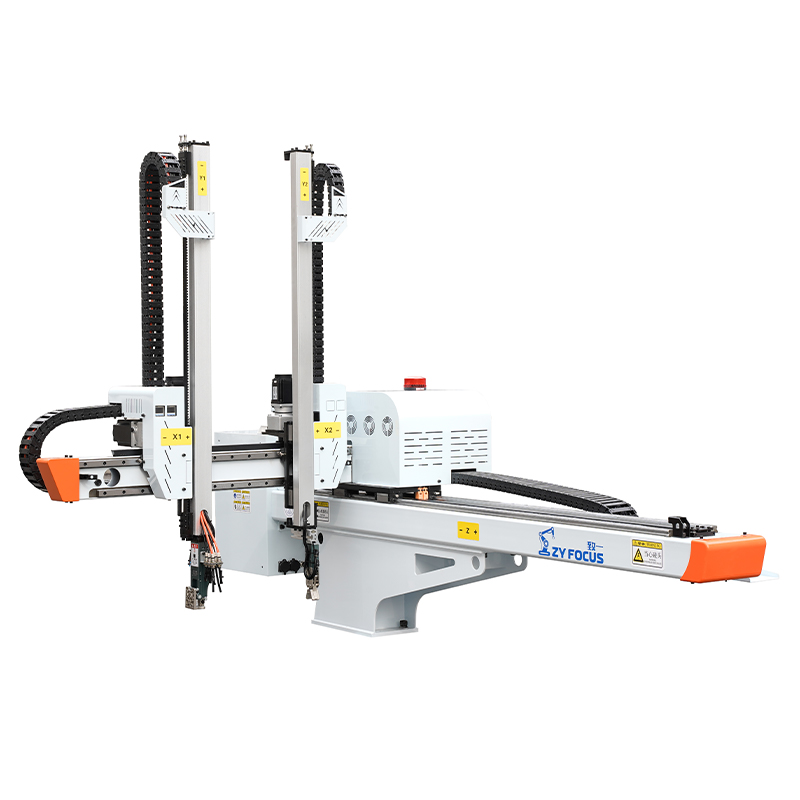
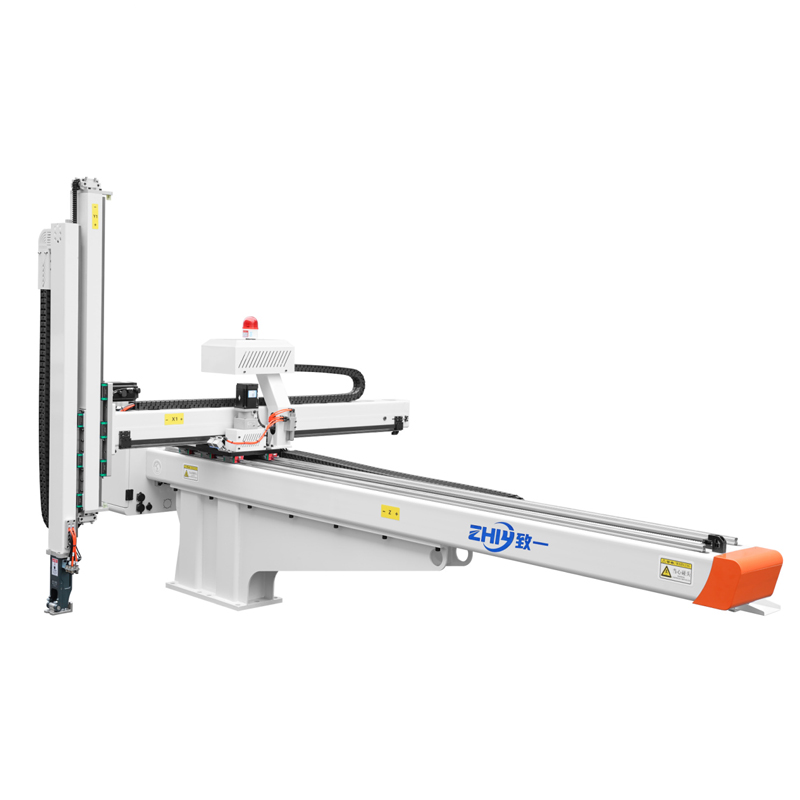
Custom 5 Axis Robot Arm OEM Factory
2026-06-05
Custom 5 Axis Robot Arm OEM Factory: A Complete Buyer’s Guide to Sourcing Bespoke Robotic Arms
Introduction
Five-axis custom robotic arms have become foundational automation equipment across automotive assembly, 3C electronics processing, precision medical production, food packaging and aerospace component handling. For global OEM buyers, selecting a qualified custom 5 axis robot arm OEM factory is no longer a simple price comparison task; it determines production line stability, long-term operational cost control and product market competitiveness.
Many procurement teams encounter recurring pain points during sourcing: mismatched customized parameters after sample production, inconsistent batch precision, poor cross-region after-sales support and factories unable to adjust designs as product specifications get updated mid-project. This guide breaks down core evaluation dimensions, customization service boundaries, industry application matching and cost composition rules, helping global purchasers streamline supplier screening and lock in suitable OEM manufacturing partners efficiently.
Core Advantages of Partnering With a Professional Custom 5 Axis Robot Arm OEM Factory
Unlike standardized off-the-shelf robotic arm suppliers, professional OEM manufacturers build products fully around buyers’ unique production scenarios, with five core differentiated strengths preferred by global procurement teams.
1. Full-Spectrum Customization From Design Draft to Finished Assembly
Top-tier OEM factories deliver end-to-end customization covering mechanical structure, control system configuration, payload range, working radius and environmental adaptation. Buyers can submit CAD drawings, production process requirements or only outline on-site operating conditions, and internal engineering teams will complete structural optimization, drive component matching and prototype verification. Common customizable items include:
- Payload tuning from tiny 0.5kg lightweight handling up to 50kg heavy-load industrial gripping
- Arm span adjustment ranging from 300mm compact desktop design to 3000mm long-stroke workshop layout
- Specialized upgrades for high-temperature, dust-proof, anti-corrosion or cleanroom-grade production environments
- Custom end effector (gripper, suction cup, cutting fixture) matching users’ specific workpiece features
2. In-House Precision Production & Strict Incoming QC Management
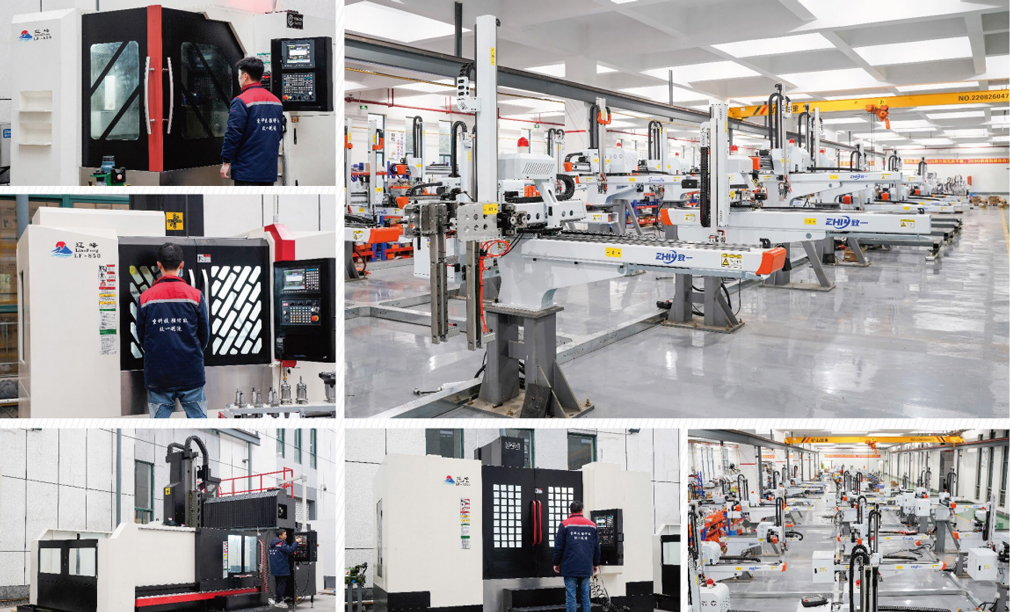
Reliable OEM operators maintain self-owned five-axis CNC machining workshops for core arm frame, joint reducer and rotating shaft processing, avoiding outsourcing precision parts to third-party subcontractors that easily trigger dimensional deviation. All raw aluminum alloy, carbon steel and special composite materials follow international material standards including ASTM and DIN; every semi-finished component undergoes three rounds of dimensional inspection before assembly, with repeat positioning accuracy controlled within ±0.01mm for high-precision application models.
3. Flexible Production Scaling From Prototype to Mass Batch Delivery
OEM manufacturing mode supports flexible order switching: small-batch prototype orders of 1–5 units for new product trial production, medium-volume 50–200 unit seasonal batch production and large-scale long-term framework bulk cooperation. Factories reserve adjustable production lines to shorten lead time when buyers expand production capacity in later phases.
4. Independent Control System Compatibility Customization
Instead of being locked into single-brand servo or controller solutions, professional OEM factories integrate mainstream global control brands per client demands, supporting seamless docking with existing workshop PLC, MES production management systems from Europe, North America and Southeast Asia’s mainstream automation brands, eliminating extra modification costs for existing production lines.
5. Global Standard Certification for Cross-Border Shipment
Qualified OEM manufacturers complete ISO9001 quality management, CE mechanical safety and RoHS environmental compliance certifications, all documents available for customs clearance across EU, North American, Middle Eastern and Southeast Asian import markets, helping buyers avoid customs detention risks caused by missing certification paperwork.
Key Industry Applications for Custom 5 Axis Robot Arm OEM Products
Custom five-axis robotic arms gain widespread deployment across six core manufacturing sectors, each with distinct customization demands that mature OEM factories can target accurately.
- Automotive spare parts manufacturing: Used for engine accessory grinding, brake component deburring and plastic shell trimming; most require heavy-load, oil-resistant customized arm structures.
- 3C electronics assembly: Compact low-payload arms for PCB plug-in, camera module testing and precision shell polishing; clean-grade anti-static modification is frequently required.
- Medical device production: Strict cleanroom-compliant robotic arms for disposable medical part molding and surgical component finishing, adopting food-grade stainless steel structural parts.
- Aerospace precision processing: Ultra-high precision five-axis arms for aluminum alloy aircraft part cutting and composite material shaping with micron-level tolerance requirements.
- Food & beverage packaging: Waterproof, corrosion-proof customized arms for bottle sorting, canned product stacking and finished-box palletizing.
- New energy industry: Custom long-span arms for lithium battery shell polishing and photovoltaic component edge trimming under constant-temperature workshop conditions.
Essential 7-Point Checklist to Vet a Trustworthy 5 Axis Robot Arm OEM Factory
Global procurement engineers can follow this checklist during factory audit and RFQ communication to filter unqualified manufacturers effectively.
1. Confirm In-House Manufacturing Capacity (Avoid Middleman Traders)
Request factory workshop real-time photos, core five-axis CNC equipment inventory and recent production scheduling records. Authentic OEM operators own machining, assembly and testing workshops; pure trading firms outsource all production and cannot guarantee real-time production adjustment or quality control during customization.
2. Verify Matching Past Project References
Ask for case records matching your target industry, including finished robot arm operation videos and contactable past buyer references from your regional market. Same-industry finished projects prove the factory fully understands your production process pain points and avoids design mismatches in customized development.
3. Clarify Full Customization Scope & Design Charge Rules
Confirm whether mechanical optimization, control programming and prototype testing are included in OEM service fees, or if extra engineering design costs apply for complex non-standard projects. Formal factories list all customization charges clearly in quotation sheets without hidden fees in later sample development.
4. Inspect Complete Quality Control Workflow
A complete QC system covers raw material incoming inspection, semi-finished machining testing, finished product aging test (24–72h continuous running test) and pre-delivery full-function calibration. Ask for recent inspection reports of similar finished OEM robotic arms as verification evidence.
5. Confirm MOQ, Lead Time & Flexible Order Terms
Different factories set varying minimum order quantities: some accept single-unit prototype OEM, others require minimum 10-unit bulk orders. Clarify standard production cycle (usually 25–45 working days per customized unit) and expedited order adjustment options for urgent projects.
6. Understand Global After-Sales & Technical Support Policy
Key confirmation items: overseas remote troubleshooting response time, spare parts supply cycle and on-site technical service availability for regional markets. Factories with mature global client base provide 24/7 online technical consultation and regional spare parts warehouses to shorten downtime for end users.
7. Break Down Quotation Cost Composition
A transparent OEM quotation splits cost into core mechanical parts, drive components, control system, labor assembly, testing, export packaging and certification expenses. Extremely low quotations often cut corners on component brands or QC procedures and lead to high post-delivery maintenance costs.
Main Cost Factors Shaping Custom 5 Axis Robot Arm OEM Pricing
Procurement teams need to understand cost drivers to conduct rational budget planning and avoid overpaying or selecting underpriced low-quality products.
- Customization complexity: Simple parameter-adjusted OEM costs sit 15%–30% lower than full new-structure customized development that needs independent mold opening and structural redesign.
- Core component grade: Imported top-tier servo motors and reducers raise total costs versus cost-effective mainstream domestic core parts; buyers can mix-and-match component grades per cost-performance needs.
- Order batch volume: Unit cost declines with larger bulk orders thanks to fixed fixture and design expense amortization across more finished units.
- Special environmental upgrades: Cleanroom, high-temperature or explosion-proof customized modification adds 8%–20% extra manufacturing expense on standard base price.
- Export service add-ons: Special fumigated export packaging, third-party pre-shipment inspection and customized certification documentation generate moderate extra charges for cross-border orders.
Common Missteps to Avoid During OEM Robot Arm Sourcing
- Focus solely on low upfront quotation: Ultra-low-price suppliers frequently substitute inferior raw materials or skip finished product aging testing, triggering frequent breakdowns and excessive maintenance expense after equipment enters production lines.
- Unclear specification in RFQ documents: Vague descriptions of working environment, payload and workpiece size lead factories to produce mismatched samples and waste prototype development time and cost for both sides. Compile detailed specification sheets including operating temperature, space dimension and precision requirements before sending inquiry.
- Ignore after-sales clause in cooperation contract: Confirm warranty period (standard 12–24 months for formal OEM manufacturers), spare parts replacement cost and technical service scope in written contracts instead of oral promises only.
- Skip sample verification before bulk order: Always complete prototype testing on your own production line to check running stability and customization matching before signing large-volume framework purchase contracts.
Conclusion
Custom five-axis robot arm OEM cooperation is a long-term strategic partnership rather than a one-time equipment purchase. Outstanding OEM factories deliver tailored robotic arm solutions matching unique production requirements, stable batch quality control and sustainable global after-market support, directly lifting end-user production efficiency and lowering long-term manufacturing costs.
By following the factory vetting checklist and cost analysis shared above, procurement teams can systematically screen high-quality OEM partners and reduce hidden sourcing risks across prototype development, mass production and post-delivery equipment operation cycles.
Call to Action
If you are drafting RFQ for custom five-axis robotic arm OEM cooperation, organize your detailed production specifications including payload, working range and application industry to get targeted OEM design solutions and transparent formal quotations from qualified manufacturers.