
Leave Your Message
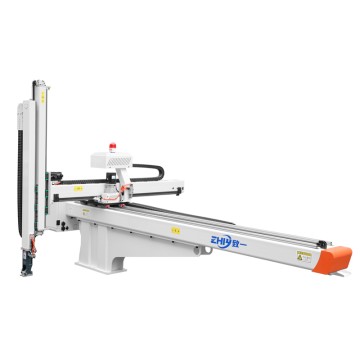
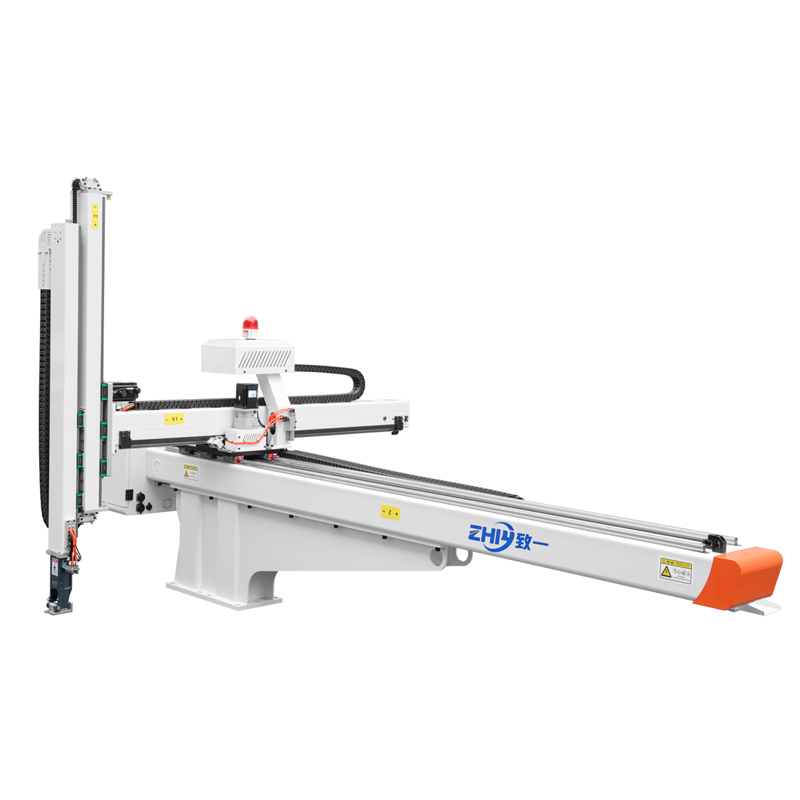
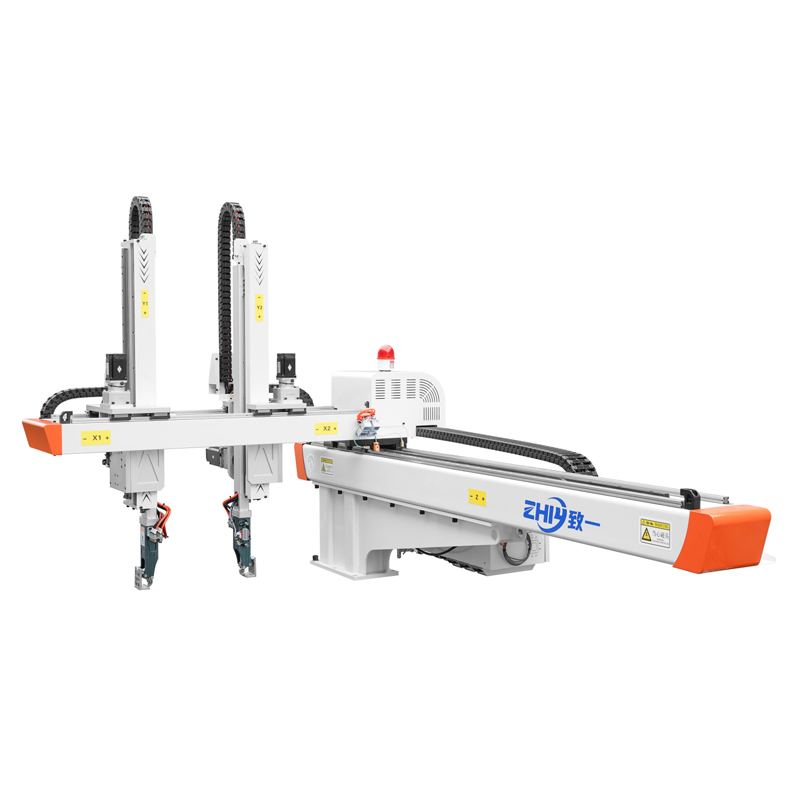
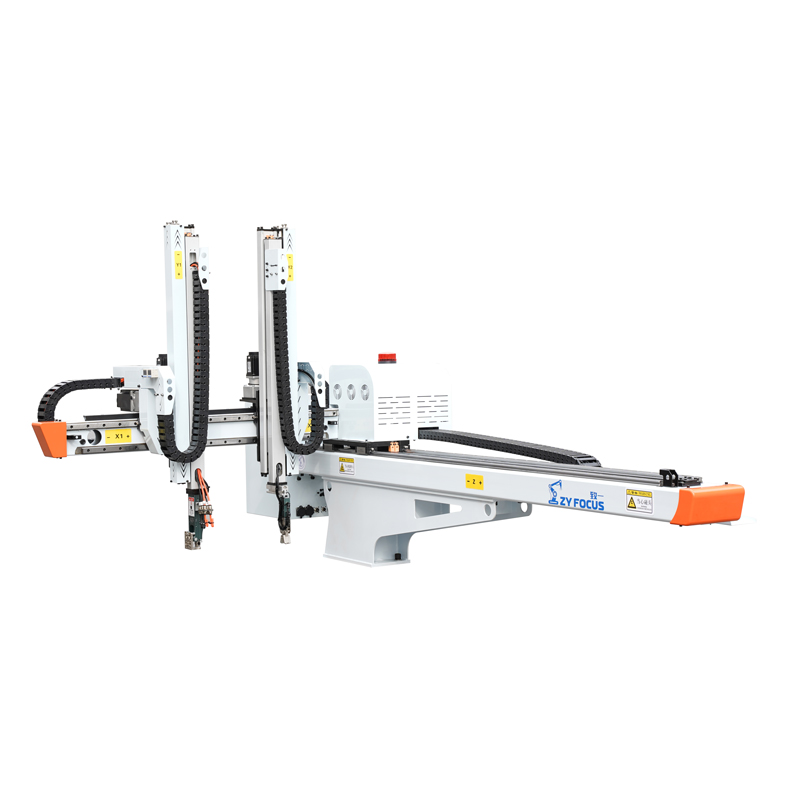
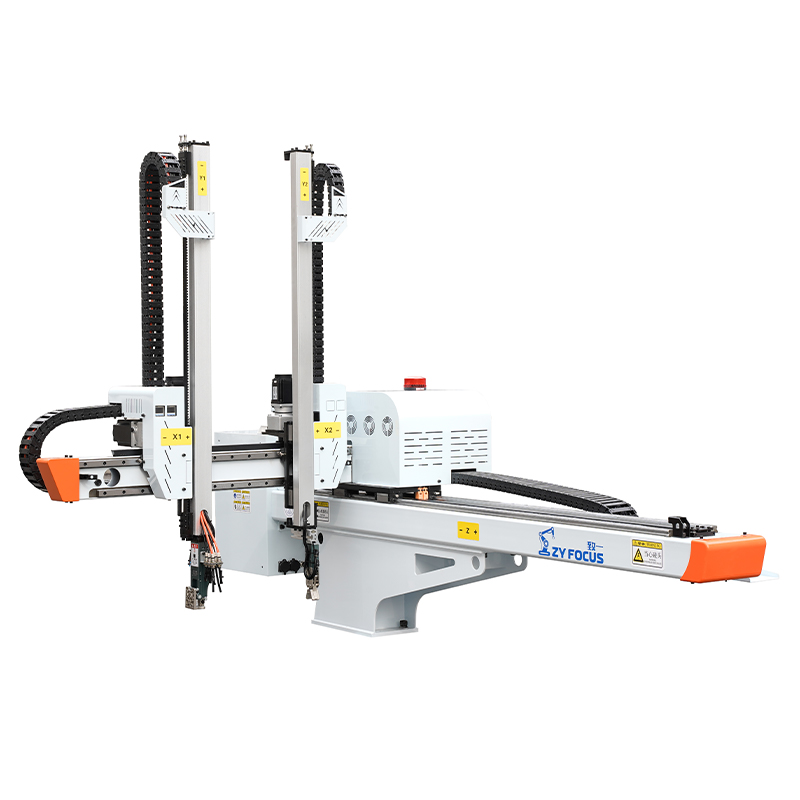
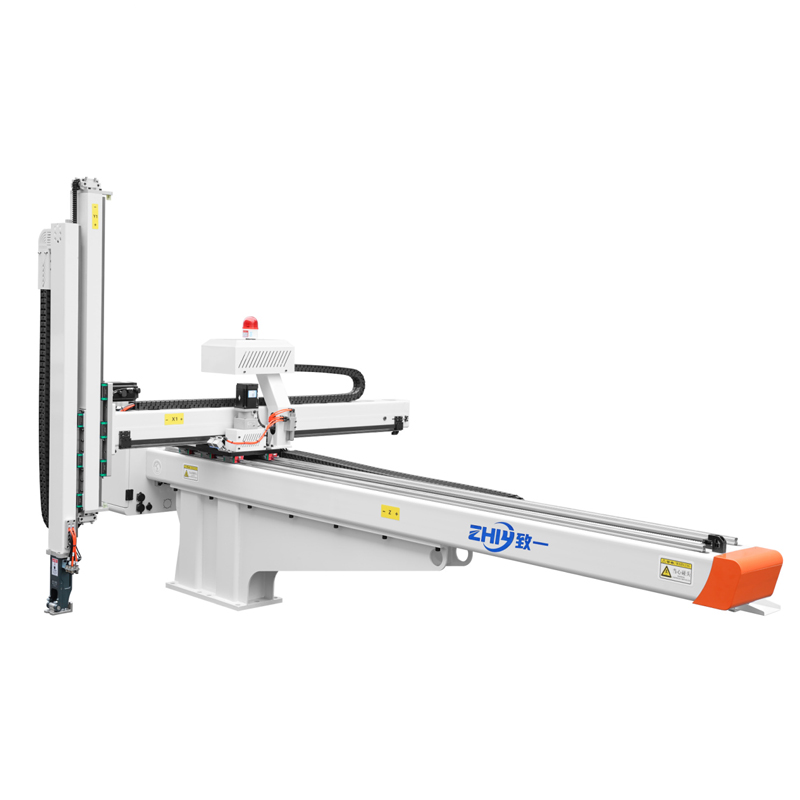
3-Axis Single-Arm Robot for Small Batch Custom Molding
3‑Axis Single‑Arm Robot for Small Batch Custom Molding
Small‑batch custom molding sits in a unique manufacturing space. Unlike mass‑production runs optimized for thousands of identical parts, small‑batch projects focus on frequent mold changes, varied part geometries, and shorter production cycles. Many production facilities struggle to balance flexibility, part consistency and operational costs when handling custom low‑volume orders. Manual part removal often leads to inconsistent cycle times, higher reject rates and safety risks, especially when switching frequently between different molds and product designs.
For many procurement teams and plant managers, the challenge is finding automation hardware that does not only perform well for long high‑volume runs, but also adapts quickly to the irregular rhythm of custom low‑volume molding. This is where a well‑configured 3‑axis single‑arm robot delivers practical value for custom‑oriented molding operations.
What Makes Small‑Batch Custom Molding So Demanding for Automation
Custom small‑batch molding brings a distinct set of operational pain points that standard heavy‑duty automation often fails to address.
- Frequent mold swaps: Production teams switch tooling many times within a single shift. Robots that require hours of reprogramming and complex setup create costly downtime between jobs.
- Variable part sizes and shapes: One run may produce compact electronic housings, and the next might shift to larger consumer‑grade custom components. End‑of‑arm tooling needs to adapt without full‑scale hardware overhauls.
- Shorter cycle windows: Total output per mold is limited, so every minute of setup time directly eats into overall project profitability.
- Consistency pressure: Even for low‑volume orders, buyers expect uniform surface quality and dimensional accuracy. Human handling introduces variability that can create avoidable rejects.
Large multi‑arm robotic systems built for mass‑production are overkill for these scenarios. They carry higher capital expense, complex maintenance workflows and longer re‑configuration timelines. For small‑batch custom molding, simplicity, quick re‑configurability and reliable repeatability become far higher priorities.
How 3‑Axis Single‑Arm Robot Design Fits Custom Low‑Volume Workflows
A 3‑axis single‑arm Robot Uses servo‑driven linear motion across traverse, crosswise and vertical axes, focused primarily on part extraction from injection molding machines. The single‑arm layout trades away some advanced secondary functions for leaner mechanics, simpler programming and faster job change‑over. This architecture aligns neatly with the realities of custom small‑batch molding.
Fast Job Setup and Mold Switching
One of the most impactful advantages for custom‑focused shops is simplified program configuration. Operators can store multiple mold‑specific programs in the Robot Controller. When switching over to a new custom mold, technicians recall saved parameters and fine‑tune movement paths via the teach pendant. In practical shop conditions, job‑to‑job transition time can shrink significantly compared to more complex multi‑arm units.
This matters for procurement decision‑makers because setup downtime directly impacts machine utilization rates. Injection molding machines represent major capital investment; reducing idle time during mold changes improves overall equipment effectiveness for mixed‑order production floors.
Flexible End‑Effector Compatibility
The robot platform supports quick swapping of grippers, vacuum suction cups and specialized tooling. Whether you are working with thin cosmetic custom housings, rigid structural components or sprues removal, you can match end‑of‑arm hardware to each new product without replacing the main robot unitAlibaba.co....
For custom‑batch environments where part specifications shift from order to order, this compatibility removes the need to purchase separate automation systems for different product families. Procurement teams can standardize on one robot model to serve most of their custom molding portfolio.
Stable Repeatability Across Short Runs
Even with short production runs, repeatable positioning helps keep reject rates low. Servo‑driven three‑axis movement delivers consistent take‑out position every cycle. When human operators remove parts, small inconsistencies in grip position can scratch cosmetic surfaces or distort freshly‑molded custom parts. The robot eliminates this source of human‑introduced variation, protecting part quality for limited‑quantity custom orders where each finished unit carries higher relative value.
Practical Footprint and Integration
The single‑arm mechanical layout has a compact footprint. It mounts directly onto injection molding machines without extensive structural modification. For facilities running multiple small‑batch molding cells, the modest space requirement makes it easier to retrofit existing machines instead of requiring full‑scale production‑floor rework.
This is a key consideration for procurement: retrofittable automation spreads capital improvements across existing equipment, instead of forcing complete production‑cell replacement.
Real‑World Use Cases Where This Robot Excels
Understanding practical deployment scenarios helps procurement teams evaluate whether this robot matches their project mix.
Prototype and pre‑production molding When producing limited prototype batches for product validation, shops frequently iterate mold designs. Fast robot re‑configuration supports successive prototype revisions without heavy automation overhead.
Niche‑market custom component runs Industries including specialty electronics, custom automotive accessories and medical non‑critical custom components often order low‑volume molded parts. The robot handles varied geometries across short‑run orders without sacrificing cycle consistency.
Multi‑job daily production floors Contract molders who handle many different customer orders each day benefit most. One robot unit serves multiple molds through the workday, maximizing automation return even when no single order runs for thousands of cycles.
Key Evaluation Points for Buyers Sourcing 3‑Axis Single‑Arm Robots
When you compare different 3‑axis single‑arm robot offerings, focus on these practical procurement criteria, rather than only reviewing raw technical specifications.
- Program storage and ease of modification Check how many mold‑specific programs can be saved, and how intuitive the teach pendant workflow is. Complex programming will erase much of the value for frequent mold‑change environments.
- Payload and stroke matching your machine range Match robot payload, traverse stroke and vertical stroke to your existing injection‑machine tonnage range and your typical custom‑part dimensions. Oversized specifications raise costs unnecessarily; undersized units will limit which molds you can automate.
- Global compliance and documentation Look for units with widely‑recognized safety certifications. Complete technical documentation, operation manuals and spare‑part reference lists simplify long‑term maintenance across international production sites.
- After‑sales support accessibility For custom‑batch production, downtime during robot troubleshooting cascades into delayed customer orders. Confirm availability of technical support, spare‑part lead‑times and training resources for on‑site operators.
- Expandability potential Even if you are focused on basic part take‑out today, verify whether the robot controller supports future optional upgrades such as simple sorting or part‑placement workflows, as your custom‑batch business evolves.
Recognizing When Another Automation Solution Makes More Sense
While the 3‑axis single‑arm robot shines for many small‑batch custom‑molding scenarios, it is not universal.
If most of your production consists of very long, high‑volume runs with complex in‑mold insert operations, five‑axis dual‑arm robotic systems may deliver higher throughput and richer secondary functionality. If your work involves extremely heavy large‑format custom molded parts, you will need to evaluate higher‑payload specialized robot variants.
The sweet spot for 3‑axis single‑arm robots lies in mixed‑order environments: where mold changes happen often, part designs vary, and you want automation without over‑investing in features you will rarely use.
Final Thoughts
Small‑batch custom molding continues to grow as industries push for faster product iteration and more tailored component solutions. Many facilities have overlooked automation for these workflows, operating under the assumption that robots are only viable for mass‑production.
A properly‑specified 3‑axis single‑arm robot addresses the core pain‑points of custom low‑volume molding: faster mold‑change setups, consistent part handling, flexible tooling compatibility and practical retrofittable integration. For procurement teams, it represents an automation option that balances capital expenditure with real‑world mixed‑order production realities.
Before finalizing any purchasing decision, test how candidate units perform against your actual typical custom‑part sizes and mold‑change cycles. Real‑world shop‑floor feedback will always provide the most reliable insight for your automation investment.
FAQ
Q: Can a 3‑axis single‑arm robot handle multi‑cavity custom molds? A: Yes, as long as payload and stroke specifications align with your mold layout. Compatible multi‑cavity end‑effectors allow simultaneous extraction of multiple custom parts within each cycle.
Q: How much operator training is required for frequent mold‑switch work? A: Modern teach‑pend‑driven systems are designed for shop‑floor technicians. Basic setup and program recall tasks can be mastered with structured hands‑on training, without requiring advanced robotics engineering expertise.
Q: Does this robot reduce reject rates for cosmetic custom‑molded parts? A: It removes human‑handling inconsistencies such as scratching or uneven grip force. Results depend on proper end‑effector selection and parameter tuning, but many operators report measurable reduction in cosmetic‑related rejects for custom batches.