
Leave Your Message
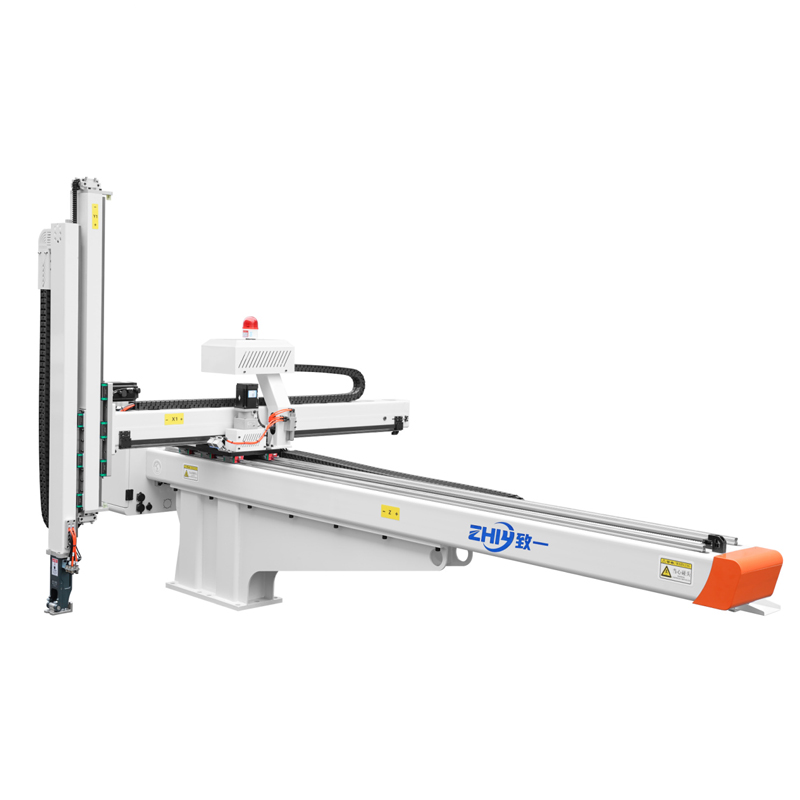
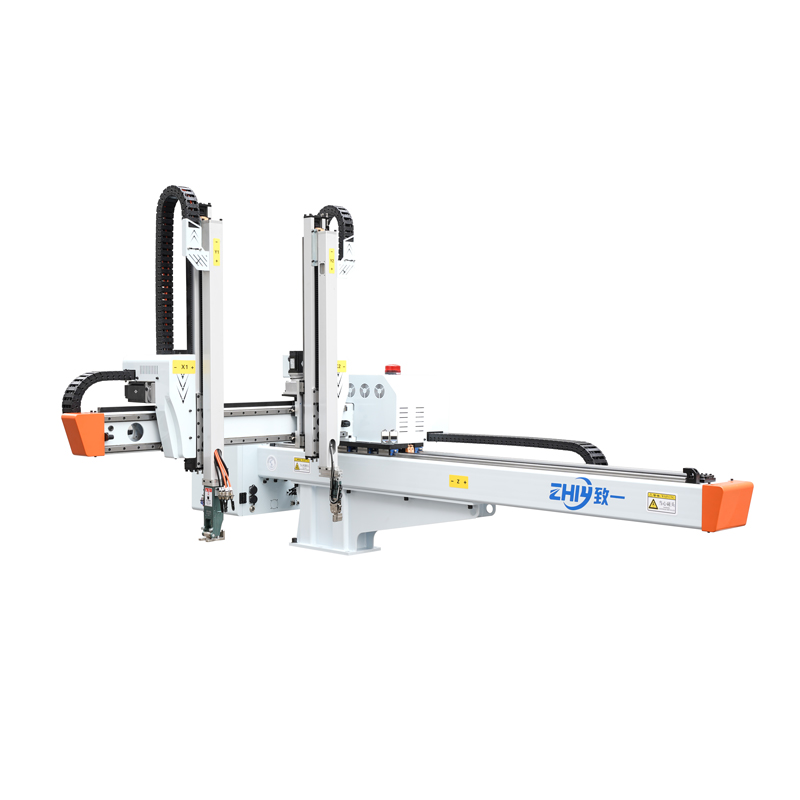
3-Axis Silicone Servo Robot: Ideal for Silicone Injection Molding Applications
3-Axis Silicone Servo Robot: Ideal for Silicone Injection Molding Applications
Published: August 11, 2026 | For Procurement & Production Managers
Table of Contents
- Introduction: Unique Pain Points of Silicone Injection Molding
- What Makes 3-Axis Servo Robots Perfect for Silicone Production
- Core Technical Advantages Tailored to Silicone Molding
- Key Application Scenarios Across Silicone Industries
- 3-Axis vs 5-Axis Robots: Cost & Performance Comparison for Silicone Lines
- End-of-Arm Tool Customization for Soft Silicone Parts
- Real-World Production Case Study
- Procurement Checklist When Sourcing Silicone-Dedicated 3-Axis Servo Robots
- Maintenance Tips to Extend Robot Lifespan in Silicone Workshops
- Final Takeaways & ROI Projection
1. Introduction: Unique Pain Points of Silicone Injection Molding
Silicone injection molding (covering LSR liquid silicone and HCR solid high-temperature vulcanized silicone) presents distinct production challenges that standard automation equipment struggles to resolve, unlike rigid thermoplastic molding.
Soft silicone parts feature low structural rigidity, sticky surface texture after curing, tight curing cycle windows, and strict anti-contamination requirements for medical, food-grade, and consumer silicone goods. Manual demolding remains the traditional choice for many factories, yet it brings three critical operational losses for manufacturers:
- Slow cycle speed: Human operators need 4–8 seconds to extract flexible silicone parts, limiting hourly output for high-volume molds
- High defect rates: Finger contact leaves surface marks, stretching or tearing thin-walled silicone components such as seals, pacifiers, and medical tubing
- Unstable labor supply: Silicone molding workshops operate at elevated mold temperatures, creating harsh working conditions that drive frequent staff turnover
Early automation attempts with basic Pneumatic Robots failed to deliver consistent results, due to poor positioning precision and slow response speed.The 3-axis full-servo robot has emerged as a targeted solution, engineered to address silicone molding’s unique material and process demands without overinvesting in unnecessary multi-axis functionality.
2. What Makes 3-Axis Servo Robots Perfect for Silicone Production
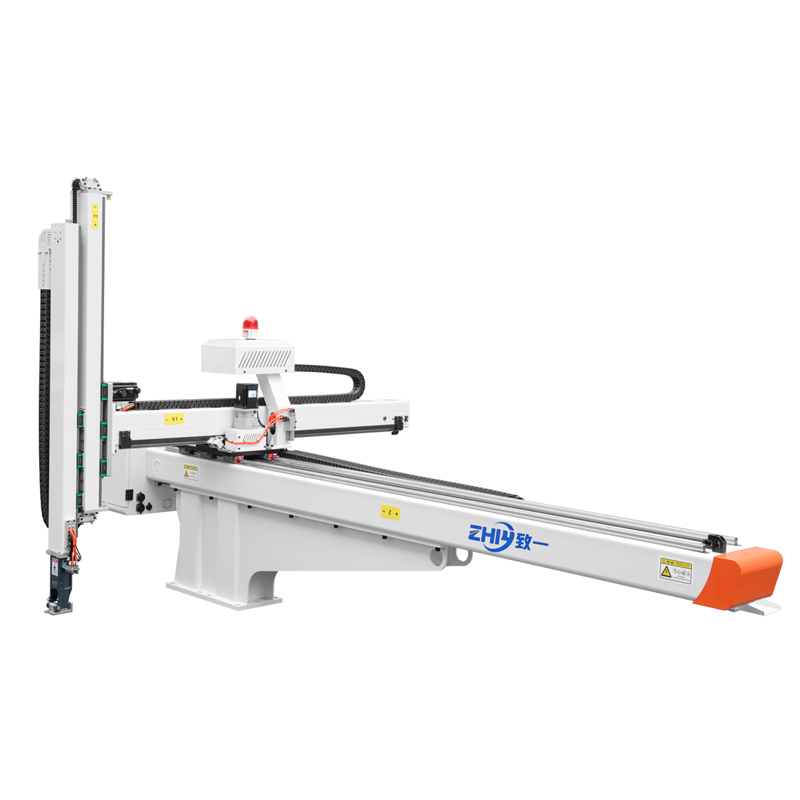
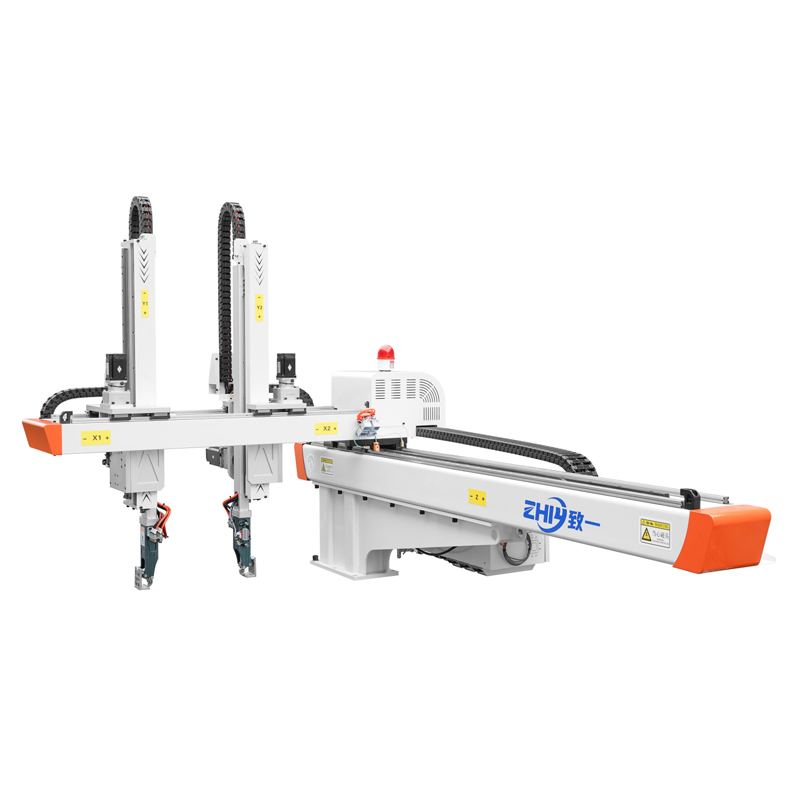
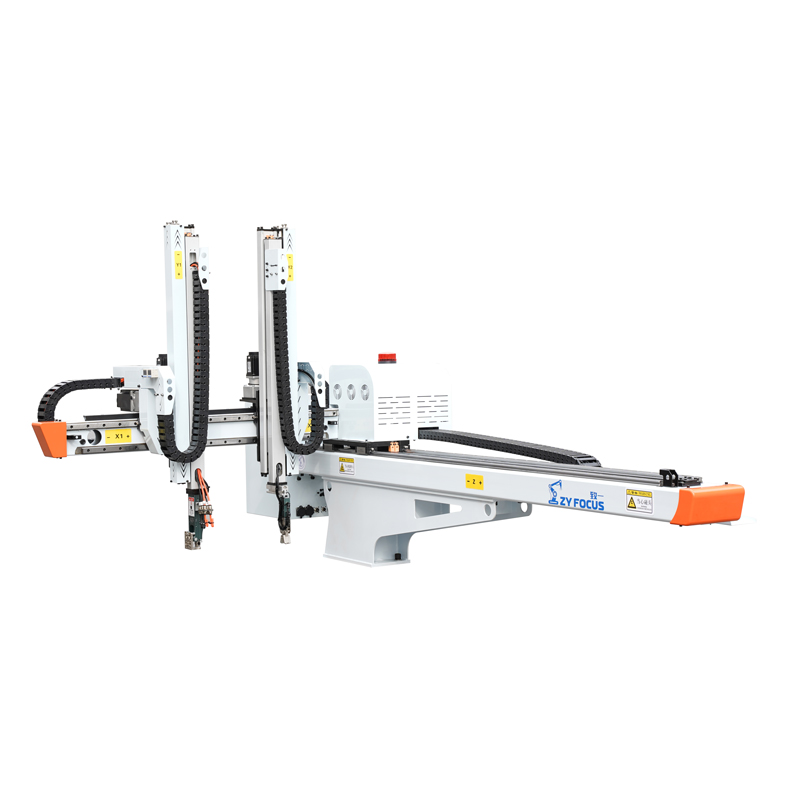
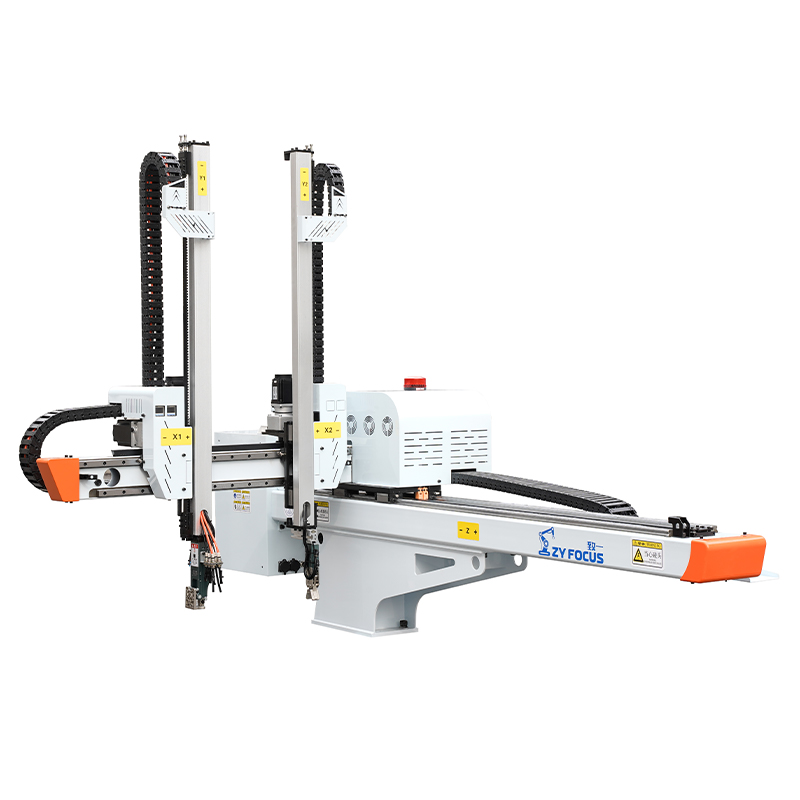
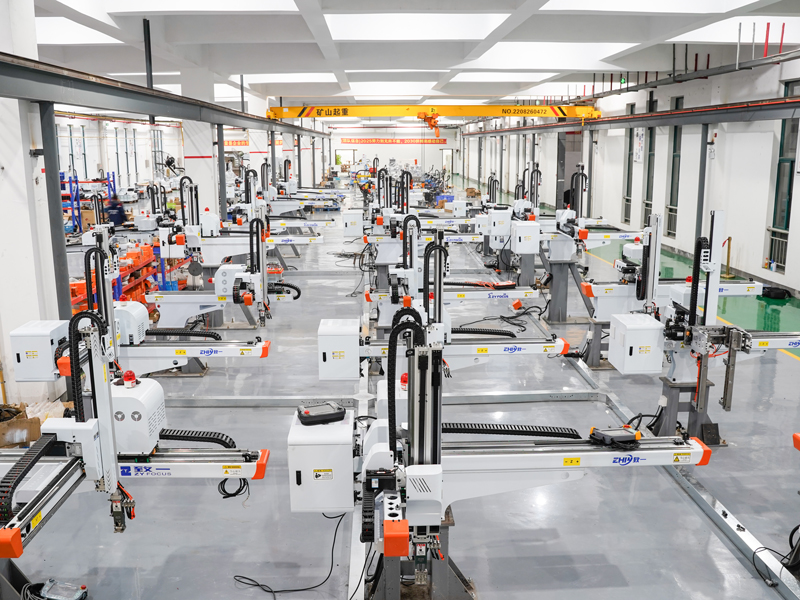
A 3-axis servo robot operates on three independent servo-driven linear axes: X crosswise traverse, Y pull-back stroke, Z vertical lifting. This three-dimensional linear motion framework hits an optimal balance of performance, cost, and simplicity for mainstream silicone molding workflows, which focus on straight-line mold extraction and fixed-position part placement.
For silicone production environments, this design carries two unbeatable core merits that complex 5-axis Robotic Arms cannot match for most mid-to-high volume lines:
- Simplified mechanical structure means fewer wear parts, cutting annual maintenance expenses by roughly 30% compared to 5-axis alternatives
- Faster acceleration and deceleration across linear strokes, shortening mold dwell time to under 1 second—critical for short LSR curing cycles ranging from 3 to 5 seconds
Unlike multi-axis robots equipped with rotational wrists, 3-axis models eliminate redundant motion for standard silicone jobs. Manufacturers avoid paying extra for rotation functionality they rarely use, while retaining all precision needed to handle delicate, easily deformed silicone components.
3. Core Technical Advantages Tailored to Silicone Molding
3.1 Ultra-Precise Positioning Prevents Silicone Deformation
Full servo drive systems deliver repeat positioning accuracy of ±0.1mm, a non-negotiable feature for soft silicone. When extracting thin, flexible silicone gaskets or micro medical silicone parts, even minor positional offset will stretch or crack finished goods. The closed-loop servo feedback system continuously calibrates axis positions during long production runs, eliminating drift that causes batch defects over 24-hour continuous shifts.
3.2 Ultra-Fast Cycle Matches LSR Short Molding Windows
Liquid silicone cures rapidly once exposed to mold heat, creating zero tolerance for slow demolding. Optimized 3-axis servo robots complete full extraction and reset cycles in 3–3.5 seconds, with in-mold takeout time as low as 0.65 seconds. This synchronous speed aligns perfectly with multi-cavity silicone molds running 600–1200 cycles daily, directly lifting overall equipment effectiveness (OEE) by 25–40% vs manual operation.
3.3 Customizable End Effector Compatibility for Sticky Soft Parts
The robot’s modular mounting head supports mixed suction cup + pneumatic clamping tooling, the ideal configuration for silicone’s tacky surface. Pure suction risks surface indentation on soft silicone, while rigid clamps cause edge tearing; combined suction-grip end tools secure parts evenly without surface damage. Tool change programming takes less than 10 minutes for manufacturers switching between different silicone product batches.
3.4 Cleanroom & High-Temperature Workshop Adaptability
Silicone production environments require heat resistance and low particle generation. 3-axis silicone servo robots use sealed linear guide rails, dustproof cable chains, and heat-resistant servo motors rated for ambient temperatures up to 45°C. For medical-grade silicone workshops, food-safe surface coating options eliminate metal particle contamination risks that compromise biocompatible silicone products.
3.5 Easy Programming & Low Operator Training Barrier
Intuitive touchscreen teach pendant stores up to 99 production programs for fast product changeovers. Shop floor technicians require only 1–2 days of training to master trajectory editing, compared to the week-long learning curve for 5-axis robotic systems. Small and medium silicone manufacturers without dedicated automation engineers can operate and adjust the equipment independently.
4. Key Application Scenarios Across Silicone Industries
Medical-Grade Silicone Manufacturing
Disposable catheters, silicone sealing diaphragms, infant pacifiers, wound care silicone pads. The touchless robotic extraction eliminates human contamination, complying with cleanroom quality standards for medical device production. High precision prevents micro-tears on ultra-thin silicone wall structures.
Consumer Silicone Goods
Silicone kitchen utensils, watch bands, phone waterproof seals, swimming goggle soft frames. High-speed cyclic operation boosts mass production throughput for high-demand consumer lines, while consistent clamping eliminates uneven stretching that ruins cosmetic silicone surfaces.
Automotive Silicone Components
Engine waterproof gaskets, interior silicone shock pads, wire harness sealing sleeves. Medium-load 3-axis servo variants (12–20kg payload) handle large automotive silicone moldings, with stable long-stroke movement for deep cavity mold demolding.
Industrial Liquid Silicone Precision Parts
Electronic silicone insulation sleeves, sensor sealing elements, miniature silicone O-rings. Micro-stroke precision modes support multi-cavity micro molds producing hundreds of tiny silicone parts per cycle.
5. 3-Axis vs 5-Axis Robots: Cost & Performance Comparison for Silicone Lines
Many procurement teams face the choice between 3-axis and 5-axis servo robots for silicone molding. This side-by-side breakdown clarifies which fits most silicone production requirements:
表格
| Evaluation Factor | 3-Axis Silicone Servo Robot | 5-Axis Dual-Arm Servo Robot |
|---|---|---|
| Upfront Equipment Cost | 50–70% of 5-axis models, lower capital expenditure | Premium pricing with extra rotation axes |
| Cycle Speed | Faster linear strokes, 10–20% shorter full cycle times | Extra rotational movement adds cycle lag for standard takeout |
| Maintenance Cost | Fewer servo motors/gearboxes, 30% lower annual service fees | More moving components increase wear and spare part expenses |
| Suitable Silicone Workflow | Single-step extraction, fixed-position stacking, simple insert loading | Jobs requiring part rotation, complex post-mold assembly, multi-step secondary processing |
| Operator Skill Requirement | Basic factory staff capable of programming | Requires dedicated automation technicians |
| Ideal Factory Scale | Small/medium silicone manufacturers, mass-volume single-product lines | High-complexity low-batch silicone manufacturers with integrated post-mold automation |
Procurement Takeaway: Over 90% of standard silicone injection molding workflows only require 3-axis servo robots. Upgrade to 5-axis models exclusively if production lines demand in-mold insert rotation or multi-angle secondary assembly after demolding.
6. End-of-Arm Tool Customization for Soft Silicone Parts
The biggest automation failure point in silicone molding is poorly designed gripping tools. 3-axis silicone servo robots support fully customizable end effector kits optimized for soft, tacky silicone:
- Dual-mode suction + air clamp tools: Soft silicone-friendly silicone suction cups paired with wide-surface non-marring clamps, distributing holding force evenly to avoid deformation
- Anti-stick tool surface treatment: Teflon coating on all contact components to stop uncured silicone residue buildup
- Quick-disconnect tool mounts: Enable manufacturers to swap tool sets between thick rigid silicone and ultra-soft liquid silicone without full robot reprogramming
- Vacuum pressure adjustable modules: Fine-tune suction strength for micro lightweight silicone parts vs heavy thick silicone housings
7. Real-World Production Case Study
A medium-sized medical silicone manufacturer producing infant pacifiers previously relied on 6 manual operators across three 250T LSR injection molding machines. Core pain points included 12% monthly defect rate from finger marks and stretched silicone nipples, plus constant labor turnover pushing up overtime costs.
The facility integrated three WKG-series 3-axis silicone servo robots matched to their multi-cavity pacifier molds, with custom suction-clamp end tooling tailored to flexible silicone nipple structures.
- Post-installation results: Labor demand reduced from 6 operators to 1 supervisory staff for all three molding machines
- Defect rate dropped from 12% to under 0.8%, cutting monthly raw material scrap losses by $4,200
- Full robot payback period reached within 9 months via labor savings and scrap reduction
- Continuous 24-hour operation increased daily output by 32% without extending shift hours
8. Procurement Checklist When Sourcing Silicone-Dedicated 3-Axis Servo Robots
For procurement managers evaluating robotic equipment for silicone injection molding lines, use this standardized checklist to avoid mismatched specifications:
- Payload matching: Confirm robot load capacity aligns with maximum weight of fully packed silicone multi-cavity parts plus runner sprues
- Stroke dimensions: Cross-check X/Y/Z travel ranges against your largest silicone mold opening dimensions
- Servo component grade: Verify industrial-grade closed-loop servo motors (avoid low-cost open-loop drives that lose precision over long silicone production shifts)
- Heat and dust protection: Confirm sealed rail and cable chain design for warm silicone workshop environments
- End tool compatibility: Ensure the robot mount supports mixed suction-clamp silicone-specific tooling
- Control system expandability: Check I/O port availability to connect downstream conveyors, vision inspection, or auto-packaging equipment
- Compliance certifications: Confirm ISO9001 and CE certification for cross-border factory audits and medical industry quality standards
- After-sales support: Confirm 24-hour remote technical troubleshooting and local on-site service availability for unplanned downtime
9. Maintenance Tips to Extend Robot Lifespan in Silicone Workshops
Silicone molding workshops carry unique contamination risks from silicone oil and fine rubber dust that can accelerate robotic component wear. Follow these low-effort maintenance practices:
- Daily: Wipe all linear rails and end tool surfaces with silicone-compatible cleaning solvent to remove cured silicone residue buildup
- Weekly: Inspect servo cable chains for abrasion caused by fine silicone dust particles; lubricate guide rails with heat-resistant food-grade grease for medical silicone lines
- Monthly: Run full axis position calibration to maintain ±0.1mm precision, clear internal system production log data to prevent control lag
- Quarterly: Complete full servo motor and reducer inspection, replace worn suction cup tooling before surface indentation defects appear on silicone products
- Annual: Full mechanical disassembly and component inspection, replace aging drive belts and seals exposed to continuous workshop heat
10. Final Takeaways & ROI Projection
For silicone injection molding manufacturers seeking stable, cost-effective automation, 3-axis full-servo robots deliver the most practical balance of speed, precision, and capital efficiency for nearly all mainstream LSR and HCR silicone production lines.
By replacing manual demolding with 3-axis silicone servo robots, facilities can expect:
- Labor cost reduction of 25–30% on molding shift staffing
- Silicone part defect rate cut by over 90% by eliminating human contact damage
- Production throughput increase of 30–40% via consistent ultra-fast cyclic operation
- Total equipment payback window ranging from 6–12 months for medium-to-high volume silicone production lines
Only manufacturers running specialized complex silicone workflows requiring part rotation or integrated multi-step post-mold assembly need to consider higher-cost 5-axis robotic alternatives. For standard silicone extraction, stacking, and simple insert loading tasks, the 3-axis silicone servo robot remains the most intelligent procurement decision for production and procurement teams globally.
Frequently Asked Questions for Buyers
Q1: Can 3-axis servo robots handle both liquid silicone (LSR) and solid HCR silicone parts? A1: Yes. Adjusting end effector suction pressure and grip force via the robot’s touchscreen control system adapts the equipment for ultra-soft LSR micro-components and rigid thick HCR silicone housings alike.
Q2: What injection machine tonnage range do silicone-dedicated 3-axis servo robots support? A2: Standard models cover 100T–400T silicone injection molding machines, with heavy-load variants available for molds up to 800T for large automotive silicone parts.
Q3: Is modification required to install a 3-axis servo robot on existing silicone molding machines? A3: Minimal modification is needed. The robot mounts to standard machine top beam structures, with universal signal wiring connectors compatible with all mainstream silicone injection machine control systems.
Q4: Can the robot run unattended overnight silicone production shifts? A4: Fully supported. Built-in fault alarm, collision protection, and automatic reset functions enable lights-out production with only periodic supervisory checks.