
Leave Your Message
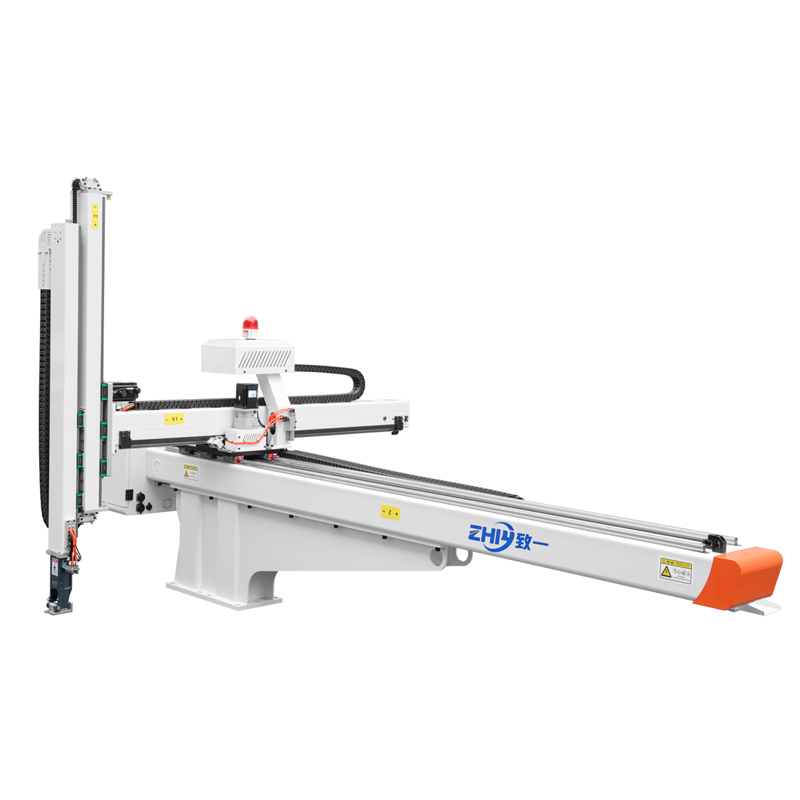
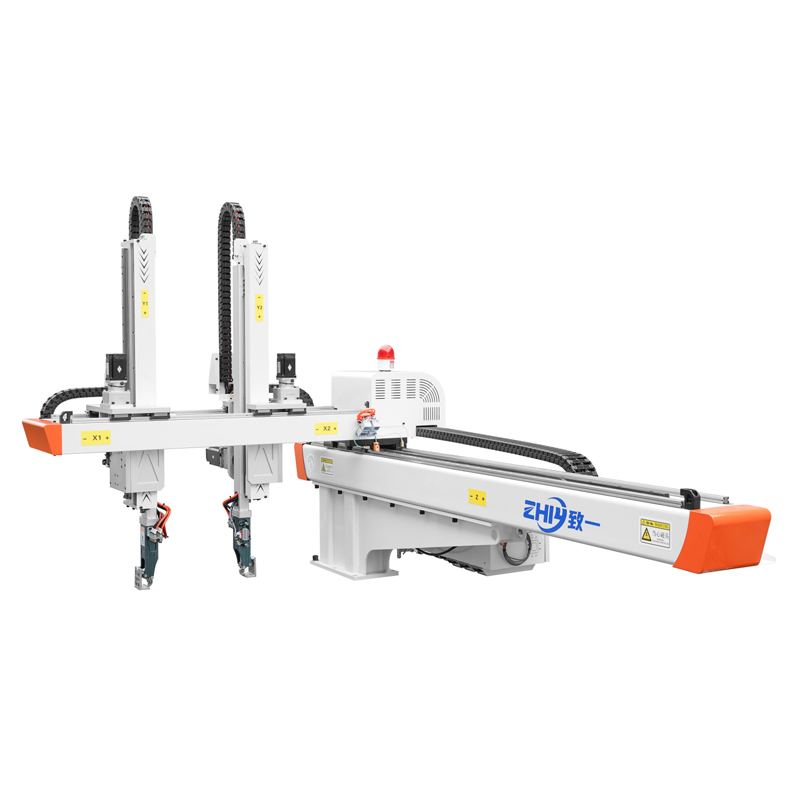
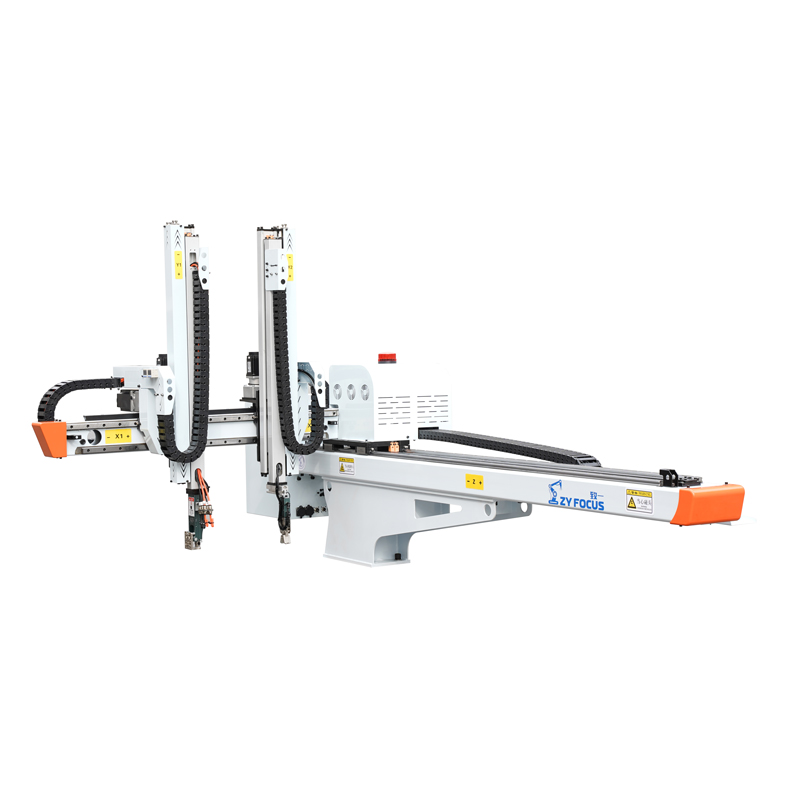
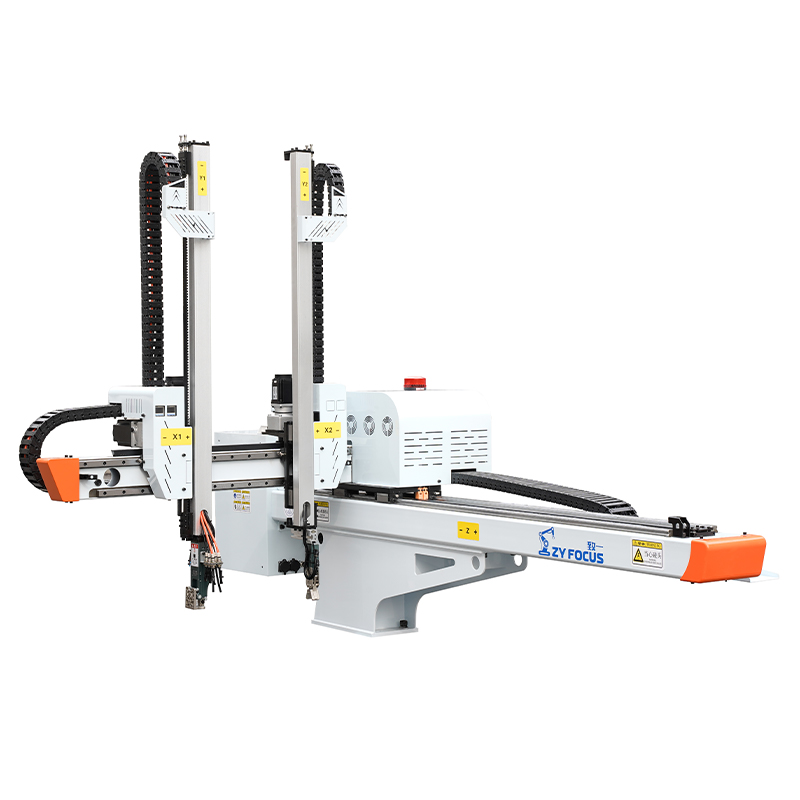
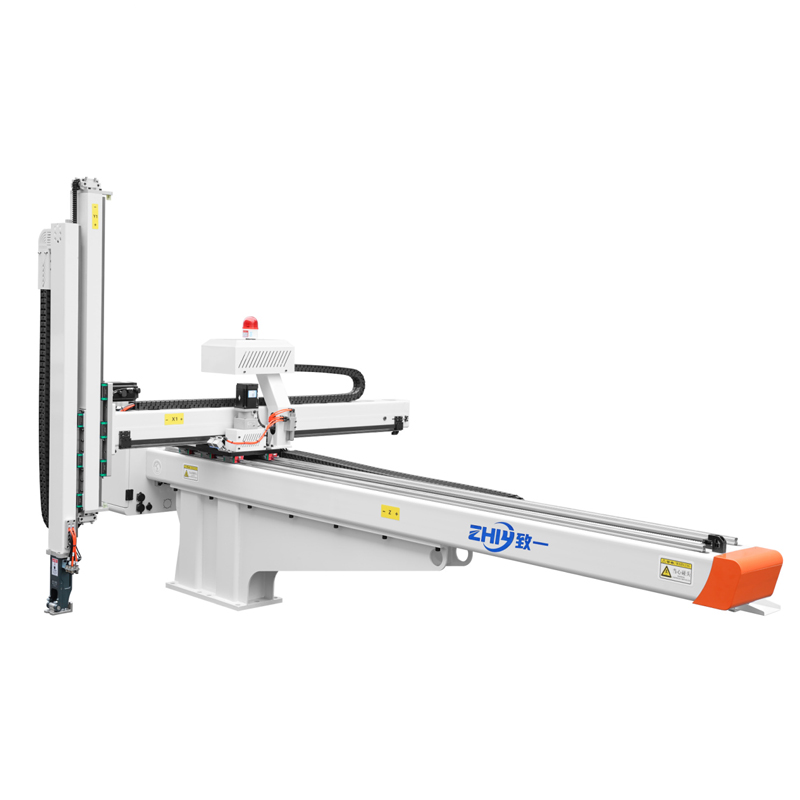
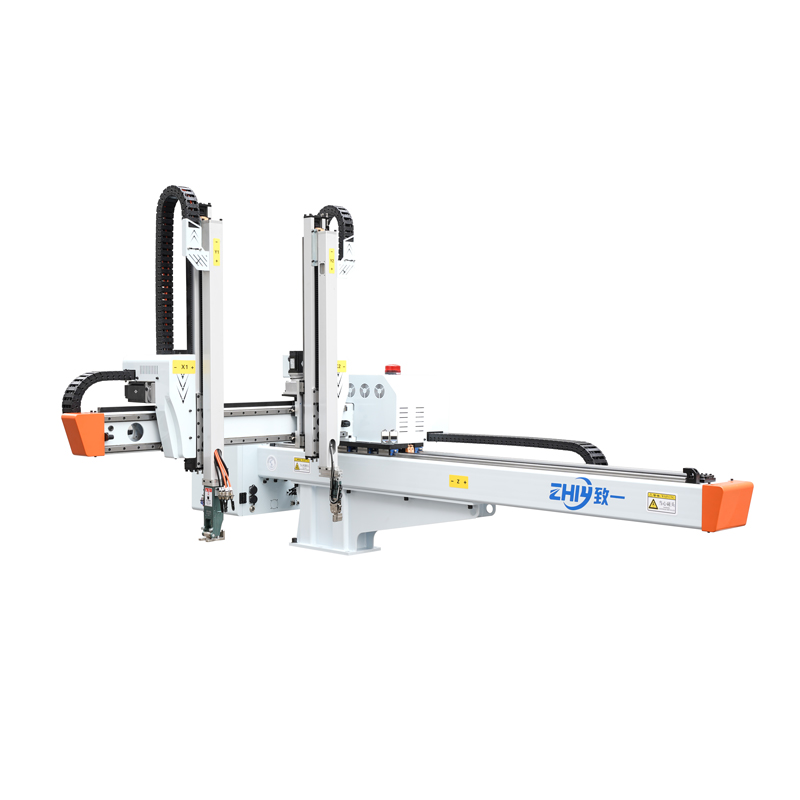
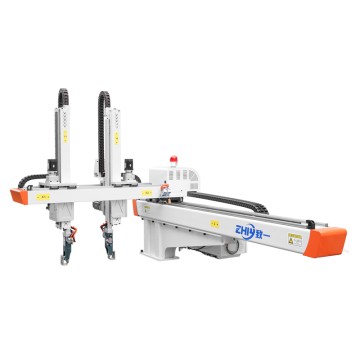
3-Axis Silicone Servo Robot for Kitchenware Manufacturing
3‑Axis Silicone Servo Robot for Kitchenware Manufacturing
Silicone kitchenware has become one of the fastest‑growing product categories in consumer goods markets worldwide. From baking mats and food‑grade spatulas to baby feeding accessories and heat‑resistant pot grips, manufacturers face constant pressure to maintain consistent product quality, shorten cycle times, and control rising labour costs. Many production facilities still rely heavily on manual demoulding and part‑handling, which creates inconsistency, higher reject rates, and bottlenecks during peak‑volume production runs. A 3‑axis servo Robot Built for silicone injection molding operations addresses these exact pain points for kitchenware producers.
This article breaks down how 3‑axis silicone‑focused servo robots fit within kitchenware production workflows, the practical benefits production teams can expect, key performance factors for procurement evaluation, and real‑world implementation tips for factory operators.
Why Silicone Kitchenware Production Calls for Dedicated Robotic Handling
Liquid silicone rubber (LSR) manufacturing brings unique challenges compared with standard hard‑plastic injection molding. Silicone parts are soft, flexible, easily scratched, and sensitive to uneven force during demoulding and removal. Manual operators need steady hands and strict process discipline to avoid tearing thin‑wall silicone kitchen items. Even with well‑trained staff, variation between different shift workers creates inconsistent surface quality across batches.
Traditional Pneumatic Robots can complete basic pick‑and‑place tasks, yet they lack fine‑tuned speed and position control needed for delicate silicone goods. Sudden jerky movements may deform finished silicone spatulas, baking liners or baby‑grade tableware. Over‑aggressive gripping can leave permanent indentations on food‑contact surfaces, directly increasing scrap rates and eating into profit margins.
A 3‑axis servo system delivers closed‑loop control over X, Y and Z movement axes. Operators can independently adjust acceleration, deceleration, travel speed and stop positions for every segment of the Robot Motion path. This level of adjustable, smooth movement makes it well‑suited to safely extract soft silicone kitchen components without surface damage, even during continuous, round‑the‑clock production shifts.
Typical silicone kitchenware tasks supported by these robotic systems include:
- Gentle demoulding and extraction of thin‑wall silicone bakeware and utensils
- Transferring finished silicone parts onto conveyor belts or collection stations
- Simple post‑mold placement for cooling before secondary quality checks
- Integration with simple insert‑loading workflows for composite silicone‑metal kitchen goods
- Batch stacking of finished items for downstream packaging workflows
For mid‑volume kitchenware factories producing high‑mix SKUs, the 3‑axis servo robot strikes a practical balance between performance, capital investment and operational complexity. It avoids the higher costs of full 5‑axis systems for production lines that do not require complex part rotation or multi‑angle re‑orientation.
Core Practical Advantages on Silicone Kitchenware Shop Floors
When evaluating automation investments, procurement teams prioritize measurable production outcomes rather than theoretical feature lists. Below are tangible improvements many kitchenware manufacturers observe after deploying 3‑axis silicone‑optimized servo robots on LSR molding machines.
Improved Part Consistency and Lower Reject Rates
Servo‑controlled smooth motion eliminates sharp jolts common with pneumatic manipulators. When paired with silicone‑friendly end‑of‑tooling such as soft suction cups or padded gripper fingers, the robot removes soft components without scratches, creases or permanent deformation. For food‑grade silicone goods, cosmetic defects directly cause product rejection. Stable repeatable handling lowers scrap percentage across long production campaigns, and quality variation between day‑time and night‑time shifts is significantly reduced.
Stable Production Cycle Times
Human operators cannot maintain identical cycle performance over long working hours. Fatigue slows down manual demoulding, creating variable total molding‑to‑packaging cycle times. The 3‑axis servo robot executes pre‑programmed movement sequences with fixed, predictable timing for every shot. Molding‑machine cycle timing can be optimally tuned, so the whole production line runs at its designed maximum throughput without human‑caused bottlenecks. Many kitchenware producers achieve 20‑30% higher effective output after removing manual part‑removal bottlenecks.
Labour Reallocation and Workplace Safety
Repetitive demoulding work exposes staff to high‑temperature mold areas. Automating part extraction moves operators away from hot mold zones, lowering risk of thermal‑related workplace incidents. Instead of spending shifts repeating the same removal motion, factory staff can shift focus to visual quality inspection, mold maintenance, tooling change‑over and process monitoring work that delivers higher value to the business. This is especially helpful for facilities struggling to hire and retain workers for highly‑repetitive floor‑level roles.
Flexible Adaptation for Mixed‑SKU Kitchenware Production
Most silicone kitchenware factories run multiple different product SKUs on shared injection‑molding machines. Modern 3‑axis servo robot control interfaces store multiple complete motion programs. When switching production from silicone baking mats to baby spoons or heat‑resistant pot holders, operators simply recall saved parameter sets. Adjustments to travel distance, speed and grip force can be completed without complex mechanical rework, shortening product change‑over downtime. Modular tooling mounting also supports fast swap‑out of suction or gripper end effectors for different silicone‑part shapes.
Key Specifications to Review During Procurement
Not all 3‑axis servo robots perform equally under silicone kitchenware conditions. When comparing equipment options, procurement and engineering teams should focus on these practical evaluation criteria beyond marketing‑oriented specification sheets.
Payload with Real‑World Safety Margin
Calculate total working weight including finished silicone workpiece plus the full weight of end‑of‑arm tooling, suction assemblies and connecting hardware. Select a robot payload rating that adds a 15‑20% safety buffer above this total weight. Running continuously at maximum rated payload shortens servo‑motor and transmission‑component service life and can degrade motion smoothness for delicate silicone goods. Many standard kitchenware silicone parts fall within light‑to‑medium payload ranges, but larger baking trays or multi‑cavity shot assemblies add considerable weight.
Repeat Positioning Accuracy and Motion Smoothness
High repeat positioning accuracy guarantees consistent approach and extraction movement relative to mold cavities. For soft silicone kitchen items, smooth acceleration‑deceleration profiles matter equally as absolute positioning numbers. Ask equipment suppliers to demonstrate actual motion profiles for thin‑wall flexible parts, not only rigid hard‑plastic test pieces. Look for systems allowing fine‑granular tuning of speed for each individual movement segment.
Stroke Compatibility With Existing Molding Layout
Confirm horizontal and vertical stroke ranges fit your existing injection‑molding machines and factory ceiling height. Measure physical clearance around molds, safety doors and surrounding plant infrastructure. Sufficient stroke margin prevents collision risks during high‑speed automatic runs. Many kitchen‑goods facilities operate multiple tonnages of LSR injection presses, so verify whether robot models can adapt across your installed machine base.
Control‑System Usability
Floor operators, not only expert automation engineers, will regularly interact with robot controls. The human‑machine interface should feature intuitive program storage, straightforward parameter adjustment and clear alarm diagnostics. Systems supporting multi‑language operation reduce operator training barriers for diverse factory teams. Check if the control system supports signal hand‑shaking to safely synchronize robot actions with your injection‑molding machine’s native safety interlocks.
Compliance and Long‑Term Service Support
For kitchen‑goods destined for global markets, verify equipment holds relevant international safety certifications. Equally critical is understanding spare‑parts availability and technical‑support response workflows. Unexpected robot downtime halts your entire silicone‑molding line. Confirm suppliers provide documented troubleshooting guidance and clear logistics for urgent spare‑part shipments. Review reference case studies from other silicone consumer‑goods or kitchenware manufacturers, rather than only general‑plastic‑molding references.
Practical Implementation Best‑Practices for Your Factory
Installing a 3‑axis servo robot does not automatically deliver full‑performance results. Successful deployment depends equally on thoughtful preparation before machine arrival and structured on‑site commissioning.
- Define tooling requirements early in the project Silicone kitchenware needs application‑specific end‑of‑arm tooling. Hard metal grippers will mark soft surfaces. Work with your equipment partner to select between food‑grade suction cups, padded finger grippers, or hybrid tooling matched to your most common part shapes. Have sample finished parts and mold drawings ready during specification discussions.
- Plan for safety interlock validation Integrate robot safety circuits fully with injection‑molding machine safety doors and emergency‑stop chains. Complete full risk assessment for each mold set before starting automatic production cycles. This step protects both personnel and expensive LSR molds from accidental collision damage.
- Invest in structured operator training Even user‑friendly servo robots require hands‑on training for shift teams. Ensure on‑site training covers daily routine checks, product‑program recall, basic fine‑tuning of motion parameters, alarm troubleshooting and lock‑out tag‑out safety procedures. Document core workflows for your factory floor.
- Schedule routine preventive maintenance cycles Servo‑driven manipulators deliver long service life, but regular inspection of belts, guide rails, cabling and motor connections prevents unplanned stops. Build simple robot‑maintenance tasks into your existing injection‑molding equipment maintenance schedules.
When Should You Consider Alternative Automation Options?
While 3‑axis servo robots excel for most standard silicone kitchenware workflows, it is helpful to understand scenarios where alternative systems might better match production goals.
Consider evaluating 5‑axis dual‑arm robotic solutions if your production frequently requires complex part flipping, multi‑station transfer, or simultaneous insert‑loading plus part removal within one molding cycle. These systems add higher capital cost but unlock more sophisticated process capability for high‑complexity composite silicone kitchen goods.
For extremely high‑volume single‑SKU mass production, custom dedicated automation may deliver marginal cycle‑time improvements, though with far less flexibility for future product‑mix changes. For small‑batch low‑run prototype work, full robot automation may not deliver positive return‑on‑investment, and semi‑automated or manual workflows remain reasonable.
Final Thoughts
Global consumer demand for safe, durable silicone kitchenware continues to grow, putting pressure on manufacturers to improve quality consistency while controlling operating expenses. The 3‑axis silicone‑optimized servo robot offers a balanced automation path for most kitchen‑goods producers. It delivers the smooth, adjustable motion required for handling soft, scratch‑prone LSR components without the extra capital outlay of higher‑axis systems.
Successful deployment relies not just on robot hardware performance, but careful matching of payload, stroke, end‑of‑arm tooling, operator training and after‑sales support. By centering procurement decisions around real‑world silicone‑kitchen‑goods production conditions rather than specification‑sheet marketing claims, production teams can maximize return from automation investment.
If you are assessing automation upgrades for silicone kitchenware injection lines, reviewing application‑specific reference cases and requesting live demonstrations with parts similar to your product portfolio will support more confident purchasing decisions.
Frequently Asked Questions
Q: Can a 3‑axis servo robot handle multi‑cavity silicone kitchenware molds? A: Yes. Performance depends on total combined weight of all extracted parts plus tooling assembly, and the robot’s payload capacity. Multi‑cavity setups need carefully designed end‑of‑arm tooling to extract multiple soft silicone pieces without deformation.
Q: How much production floor space does installation require? A: Most top‑mount 3‑axis servo robots install above existing injection‑molding machines and do not consume significant additional ground‑level floor space. You must validate overhead clearance, surrounding pipework and safety‑door swing space before installation.
Q: Is extensive programming knowledge needed for daily operation? A: Modern units store complete motion profiles under named product presets. Daily‑shift operators mostly recall saved programs and fine‑tune simple speed or position parameters. Initial setup and new‑product programming benefits from trained technical staff.
Q: Can existing injection‑molding machines be retrofitted with this robot type? A: In most cases yes. Key checks include machine interface signal compatibility, overhead mounting structure integrity, and available working stroke for mold opening travel. A pre‑sales site evaluation helps identify any retrofit limitations.