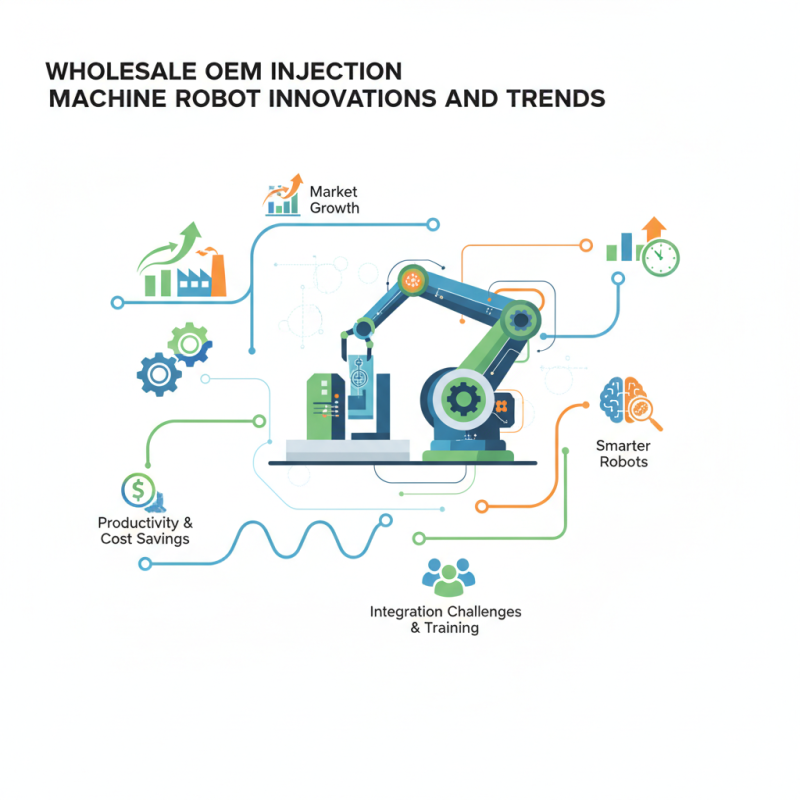
The market for Injection Machine Robots is growing really fast these days. I read a recent report from Smith and Associates that predicts global demand for these machines will increase by about 15% each year. So, it’s pretty clear that everyone’s pushing for more automation and efficiency in manufacturing. Big names like ABB and KUKA are definitely steering the ship with some pretty cool innovations.
Many brands are pouring their resources into developing smarter, more capable Injection Machine Robots. These machines are impressively precise and can handle tasks quite effortlessly. Still, not all manufacturers are having an easy time integrating this tech. Transitioning to automation isn’t always smooth sailing. In fact, industry data shows that around 30% of companies are facing challenges when it comes to training their staff to work with these new robots.
As we dive into the latest trends and breakthroughs in Injection Machine Robots, it’s really important to keep these hurdles in mind. The potential for boosting productivity and cutting costs is huge—but a lot of companies haven’t quite fully tapped into that yet. They need to think about how to overcome these obstacles if they want to stay ahead. At the end of the day, the future of manufacturing really depends on how well we can embrace and make the most of these advancements.
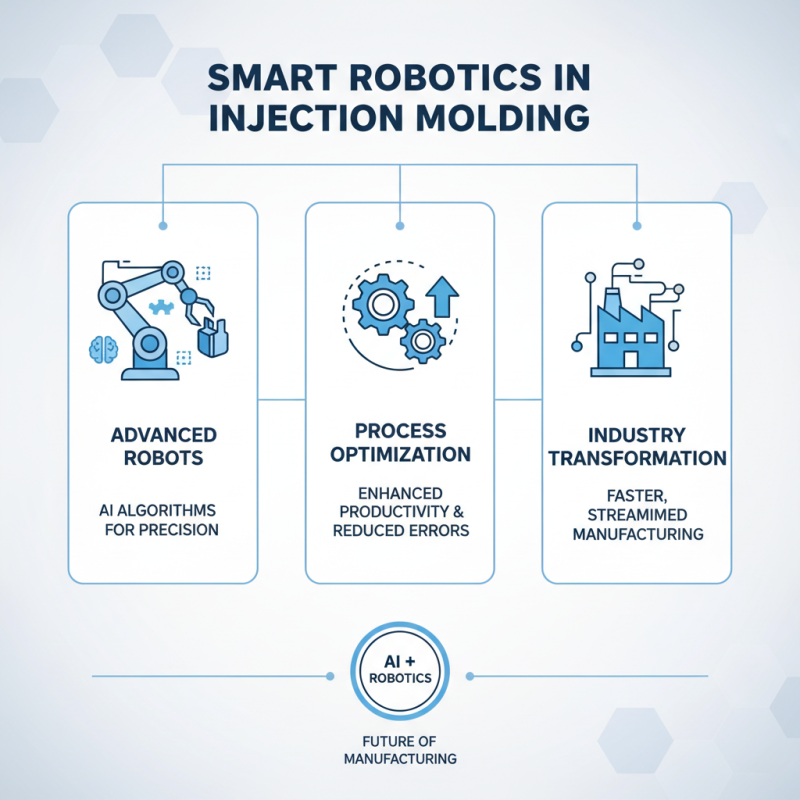
The rise of smart robotics in injection molding is reshaping the industry. Automation is not new, but today's robots are becoming more advanced. They integrate AI algorithms for better precision. This not only enhances productivity but also reduces errors. The synergy between AI and robotics streamlines processes, making them faster.
Tips: Regularly update your software to ensure optimal robot performance.
Moreover, adaptive learning technologies enable robots to adjust to different tasks. The adaptability of these machines means they can handle various materials and complexities. However, integrating new robotic systems can be challenging for some companies. It takes time and training to maximize the benefits.
Another crucial aspect is maintenance. Machines need regular check-ups to function efficiently. Neglecting this can lead to downtime, which is costly.
Tips: Invest in training programs for your staff to handle robotic systems effectively.
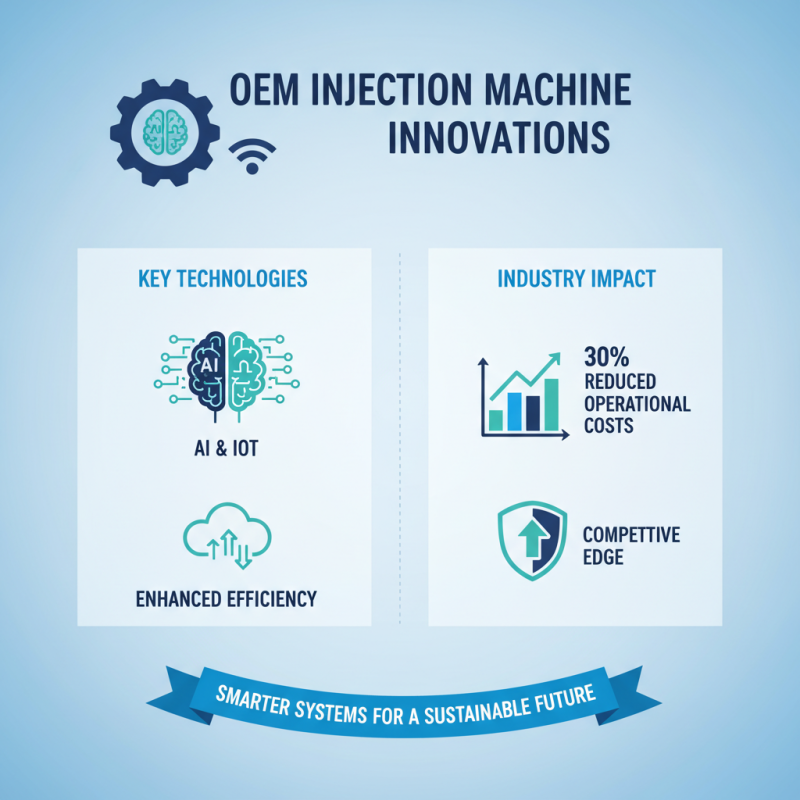
The landscape of OEM injection machine innovations is rapidly evolving. Key technologies, like AI and IoT, significantly enhance efficiency. A recent industry report showed that automation in manufacturing reduces operational costs by up to 30%. This shift toward smarter systems is pivotal for competitive edge.
Robot Injection Moulding Machine offers increased precision in production. With improved algorithms, these machines can adjust parameters in real-time. This precision minimizes waste and improves product quality. Nevertheless, firms face challenges in integration. Not every manufacturer can effectively adopt these advanced systems.
Data analytics also plays a crucial role. Companies are now leveraging insights to optimize processes. For instance, predictive maintenance can reduce downtime by 25%. However, implementing comprehensive data strategies requires significant investment. Some businesses struggle with this transition. The balance between innovation and feasibility remains a pressing issue.
Sustainabilityis a key focus in the wholesale injection Machine Robotics sector. Manufacturers are exploring ways to use eco-friendly materials in production. A recent report indicates that70% of companies aim for reducing their carbon footprint by 2025. However, this goal often clashes with the demand for high efficiency. Some machines still rely heavily on energy-intensive processes.
Many companies have turned to advancements in technology. For instance, energy-efficient Injection Molding Machines are becoming more popular. These machines can reduce energy consumption by up to 30% compared to older models. Yet, not all manufacturers are on board. Budget constraints often undermine sustainability efforts. Additionally, users may prioritize cost over eco-friendliness.
Investing in robotic automation can optimize operations, but it can also complicate transition efforts. Industry studies show that 45% of companies struggle to integrate sustainable practices into existing workflows. Without proper planning, these innovations could lead to waste. The challenge remains: how to balance profitability while embracing sustainability.
The integration of AI and machine learning in injection Molding Robots is redefining industry standards. Recent studies indicate that machines equipped with AI can boost production efficiency by up to 30%. These technologies enable predictive maintenance, which can reduce downtime significantly. By analyzing data in real-time, robots adjust processes on the fly. This leads to improved product quality and reduced material waste.
However, not every machine adopts AI seamlessly. Implementation can be costly and requires skilled personnel. Traditional systems may struggle to adapt to intelligent upgrades. The change can disrupt established workflows and create uncertainty. Industry reports suggest that companies often face resistance from staff when integrating advanced technologies. This resistance can hinder potential gains.
**Tip:** Ensure your team receives proper training to navigate these changes smoothly. Emphasize the benefits of AI to encourage acceptance. Consider a phased approach for gradual integration. Balancing innovation with human factors is essential to reap the full rewards of these advancements.
| Innovation/Trend | Description | Efficiency Increase (%) | Implementation Time (Months) | Impact of AI/ML |
|---|---|---|---|---|
| Fully Automated Production Lines | Integration of robots in every stage of production | 25% | 12 | Optimized processes using predictive analytics |
| Collaborative Robots (Cobots) | Cobots work alongside human workers | 15% | 6 | Enhanced adaptability through learning algorithms |
| IoT Integration | Machines connected to cloud for real-time data | 20% | 8 | Data-driven decisions for efficiency improvements |
| Customizable Robotics | Robots tailored to specific production lines | 30% | 10 | Machine learning for adapting to different tasks |
| Real-Time Monitoring Systems | Systems that track performance continuously | 18% | 4 | AI for predictive maintenance and alerts |
The demand for customization in modern injection molding is on the rise. Companies seek to cater to specific needs. This is where innovations in injection machines come into play. Flexible solutions allow for varied designs. A Five Axis Injection Molding Machine can adapt to complex part shapes easily. This versatility is essential in today’s competitive market.
Customized features are becoming standard. Features such as adjustable settings enhance productivity. However, this can lead to overcomplicated systems. Some users may struggle with setup and maintenance. Ensuring user-friendly interfaces is crucial. Regular training for operators can mitigate these issues.
Tip: Keep specifications clear when opting for new machines. This avoids mistakes in production. Communication with the provider is vital. Embrace change but ensure your team is on board. Balance innovation with practicality for the best results.
In the world of OEM injection machines, robots play a pivotal role. The landscape is changing rapidly, with various manufacturers pushing the envelope on innovation. Some focus on speed, while others prioritize energy efficiency. Each manufacturer's approach presents unique advantages and limitations.
One notable trend is the incorporation of AI technologies. These advancements enable robots to learn and adapt during production. However, the initial investment can be steep. Companies must weigh the immediate costs against long-term gains. Integrating AI may lead to better production quality, but it may also create a steep learning curve.
Tips: When evaluating options, consider flexibility. A robot that can adapt to various tasks may save costs in the long run. Additionally, assess the manufacturer's support services. Strong after-sales support can mitigate the risk of operational downtime.
Moreover, some manufacturers are exploring sustainable practices. This ensures lower energy consumption, but it can raise the product price. A balance between sustainability and budget constraints is essential. Reflecting on these factors can help in making informed decisions.
The injection molding industry is evolving rapidly. New technologies are transforming how products are manufactured. One major trend is the rise of the Servo-Driven Injection Molding Machine. These machines offer improved efficiency and precision. They adapt to various production demands, reducing waste and energy consumption.
Another significant development is automation. Robotics are increasingly integrated into injection molding processes. This innovation enhances productivity and minimizes human error. Automated systems streamline operations but may lead to concerns about job displacement. The balance between human oversight and automation is critical.
Sustainability is also shaping future trends. Manufacturers seek eco-friendly materials and processes. The emphasis on reducing carbon footprints is inspiring new methods. It's essential to reflect on whether these innovations truly benefit the environment. The effectiveness of these approaches is under scrutiny. Balancing innovation with responsibility will define the industry's path forward.
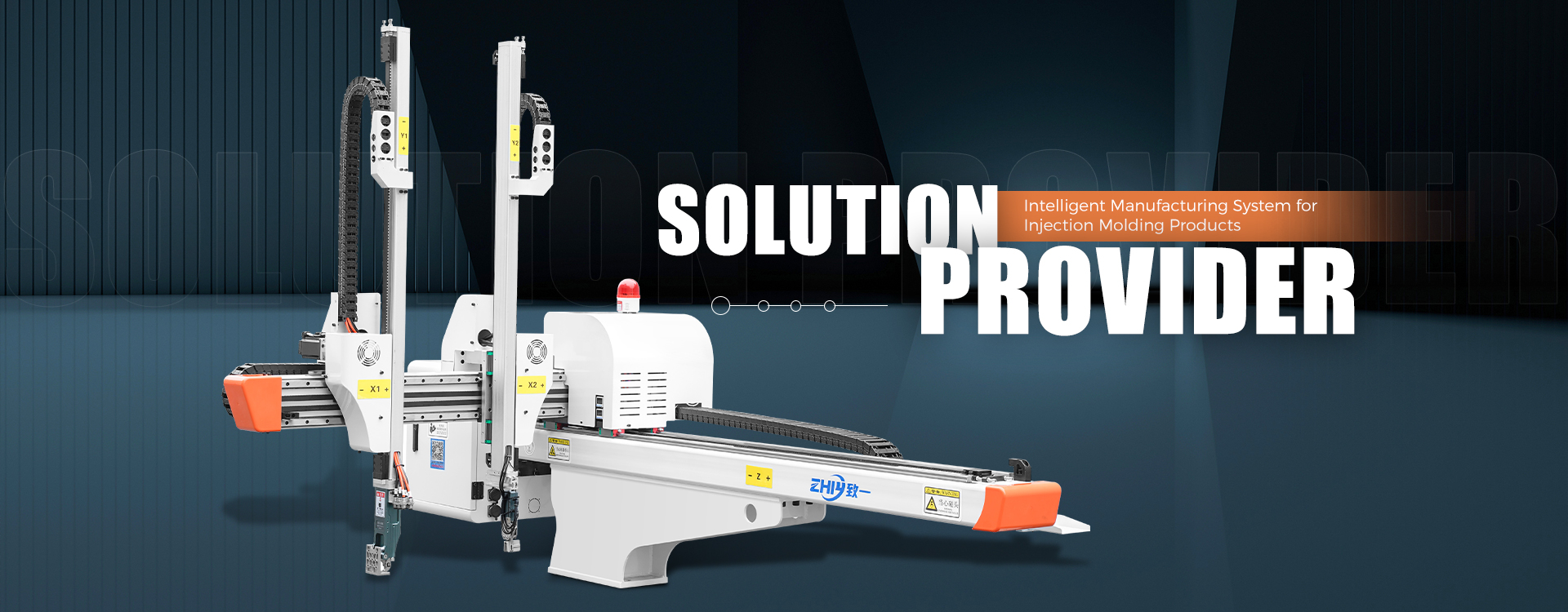
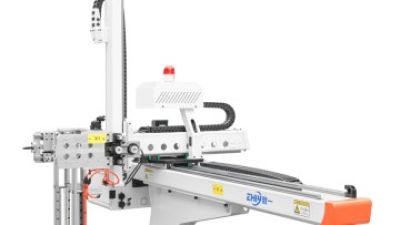
In the rapidly evolving landscape of manufacturing, precision and efficiency are paramount, especially in the realm of injection molding. The adoption of 3-axis silicone servo-controlled robotic arms has revolutionized the way molding processes are executed, offering versatility that significantly enhances automation. These robotic arms are designed to cater specifically to the needs of injection molding machines, with capabilities that include the removal, handling, and placement of molded products with utmost accuracy.
The WKG-1000 model, engineered for machines with a capacity ranging from 250T to 400T, exemplifies the advancements in this sector. With a stroke dimension of 1700×800×1000mm and a handling load of 12-20kg, it is optimized for rigorous production environments. The integration of an advanced servo control system ensures high precision and stability, crucial for maintaining the integrity of complex molding tasks. According to industry reports, automating these processes with robotics not only reduces labor costs but also leads to a significant improvement in production efficiency, with estimates suggesting productivity increases of up to 30% in facilities that have implemented such technology.
Furthermore, the responsiveness of these servo-controlled arms allows for rapid adjustments, catering to varying production demands without sacrificing quality. As manufacturers strive to meet the growing consumer demand for high-quality products, the transition to intelligent automation solutions becomes increasingly essential. In fact, studies indicate that automation in manufacturing can lead to a decrease in production downtime and an enhancement in output quality, aligning with the industry's goals of achieving greater efficiency and flexibility in production workflows.
: The product aims to enhance daily productivity and convenience for users. It helps streamline tasks efficiently.
For effective use, read the user guide. Follow the instructions closely to maximize benefits and ensure proper usage.
Yes, always follow safety guidelines. Avoid exposure to extreme conditions and ensure proper maintenance to prevent accidents.
If it breaks, check the warranty terms. Contact customer support for guidance on repairs or replacements as needed.
Yes, it can handle several tasks. However, effectiveness may vary depending on the complexity of the tasks.
In case of technical issues, restart the device. If problems persist, consult the troubleshooting section in the user manual.
Yes, customer support is available. You can reach out via phone or email for assistance with any concerns.
Regular cleaning and inspection are essential. Follow maintenance tips provided in the manual to ensure longevity.
Users often overlook setup steps. It's important to follow installation guidelines closely to avoid problems later.
Yes, the design considers sustainability. However, users should still recycle packaging responsibly and reduce waste where possible.
The article explores the latest innovations and trends in the realm of Injection Machine Robots, highlighting the emergence of smart robotics that are enhancing the efficiency of injection molding processes. Key technologies driving these advancements include AI and machine learning, which significantly boost the operational efficiency and adaptability of these robots. Furthermore, there is a growing emphasis on sustainability within the sector, pushing manufacturers to adopt eco-friendly practices in their injection machine robotics.
In addition to technological advancements, the article discusses the increasing demand for customization and flexibility in modern injection molding solutions, allowing manufacturers to better meet client specifications. It also provides a comparative analysis of leading OEM injection robot manufacturers, offering insights into the competitive landscape. Looking ahead, the future outlook indicates that these trends will continue to shape the injection molding industry, paving the way for further innovation and improved production capabilities.