Leave Your Message
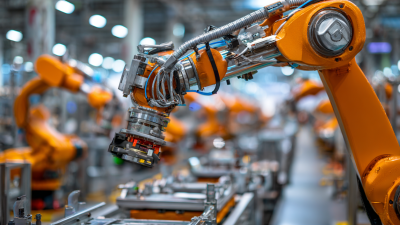
Lately, automation in the manufacturing world has really changed the game. Things are now quicker, more efficient, and often cheaper too. One exciting part of this shift is the rise of advanced tech like the Robot Arm Servo — it’s become kind of a cornerstone in these changes. I came across a recent report from MarketsandMarkets that estimates the global market for robotic arms could hit around USD 20.29 billion by 2025. A lot of this growth is fueled by the increased push for automation and ongoing tech innovations in robotics. Oh, and I should mention Zhejiang Zhiyi Intelligent Robot Co., Ltd.—they've been around since 2017, quietly working to provide top-notch automation gear and smart solutions to help manufacturing move into the future. As more companies turn to Robot Arm Servos to boost precision and productivity, it’s clear that these technologies are totally reshaping how industries operate — pretty amazing when you think about it, right?
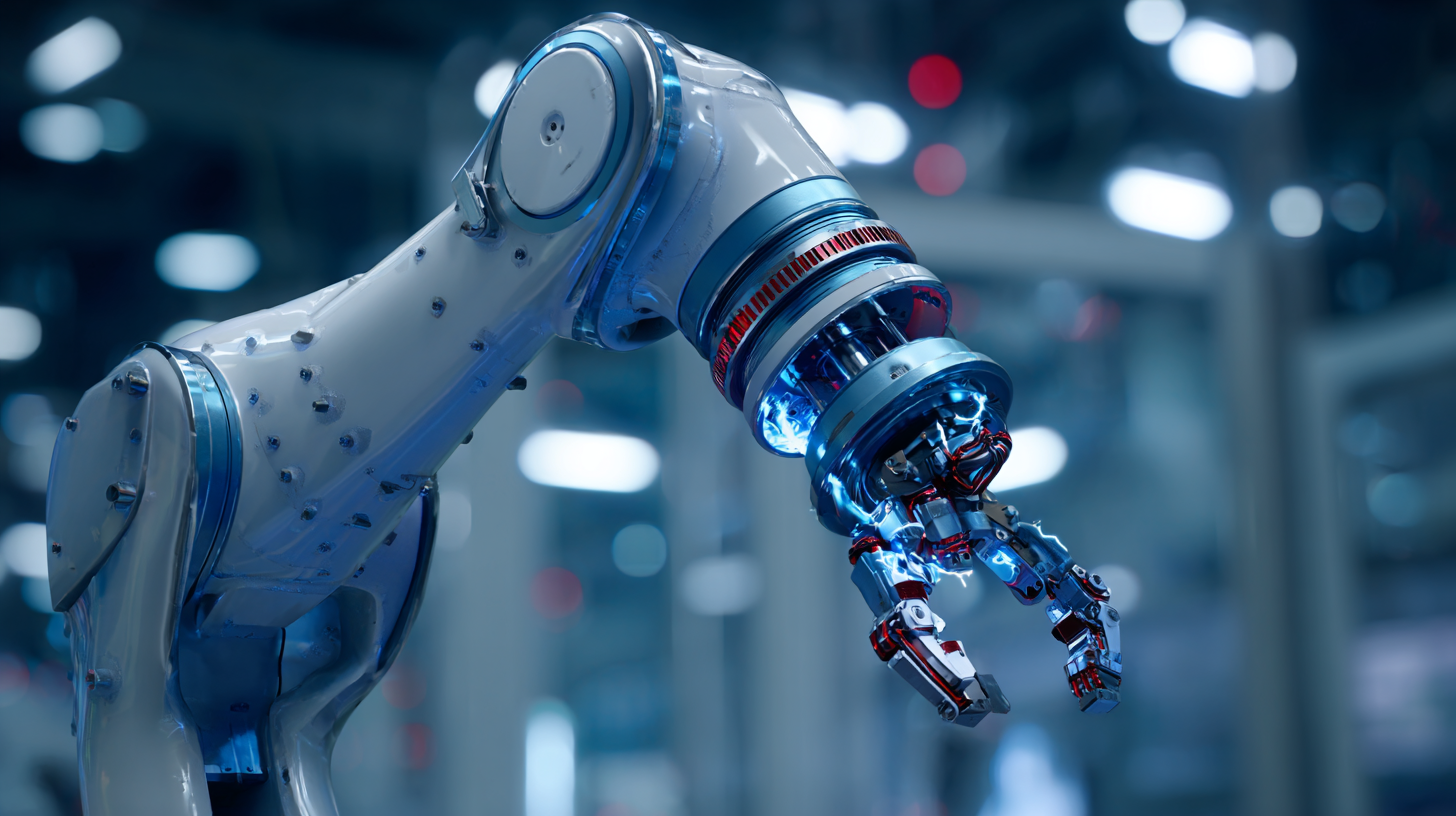
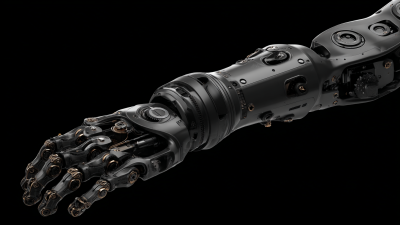
Robot Arm Servos are honestly thebackbone of this whole automation thing. These high-tech mechanical pieces give robotic limbs their precision, letting them handle really delicate or complex tasks with pretty impressive accuracy and speed. Thanks to advanced feedback systems, they can tweak their movements on the fly, making sure each move lines up perfectly with what's needed. That kind of precision is a big deal—especially in industries like manufacturing—because even tiny mistakes can end up costing a lot in terms of productivity and quality.
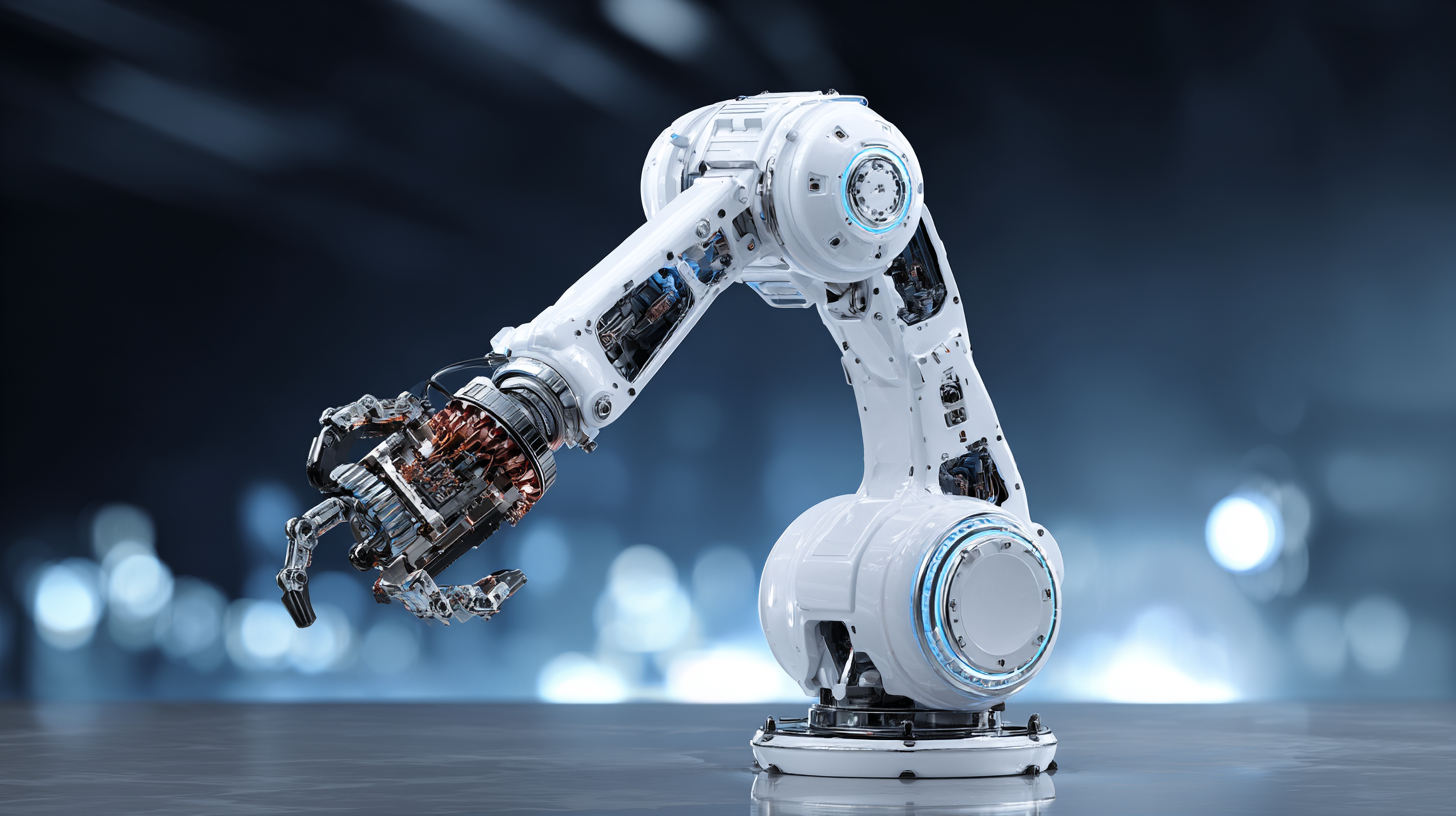
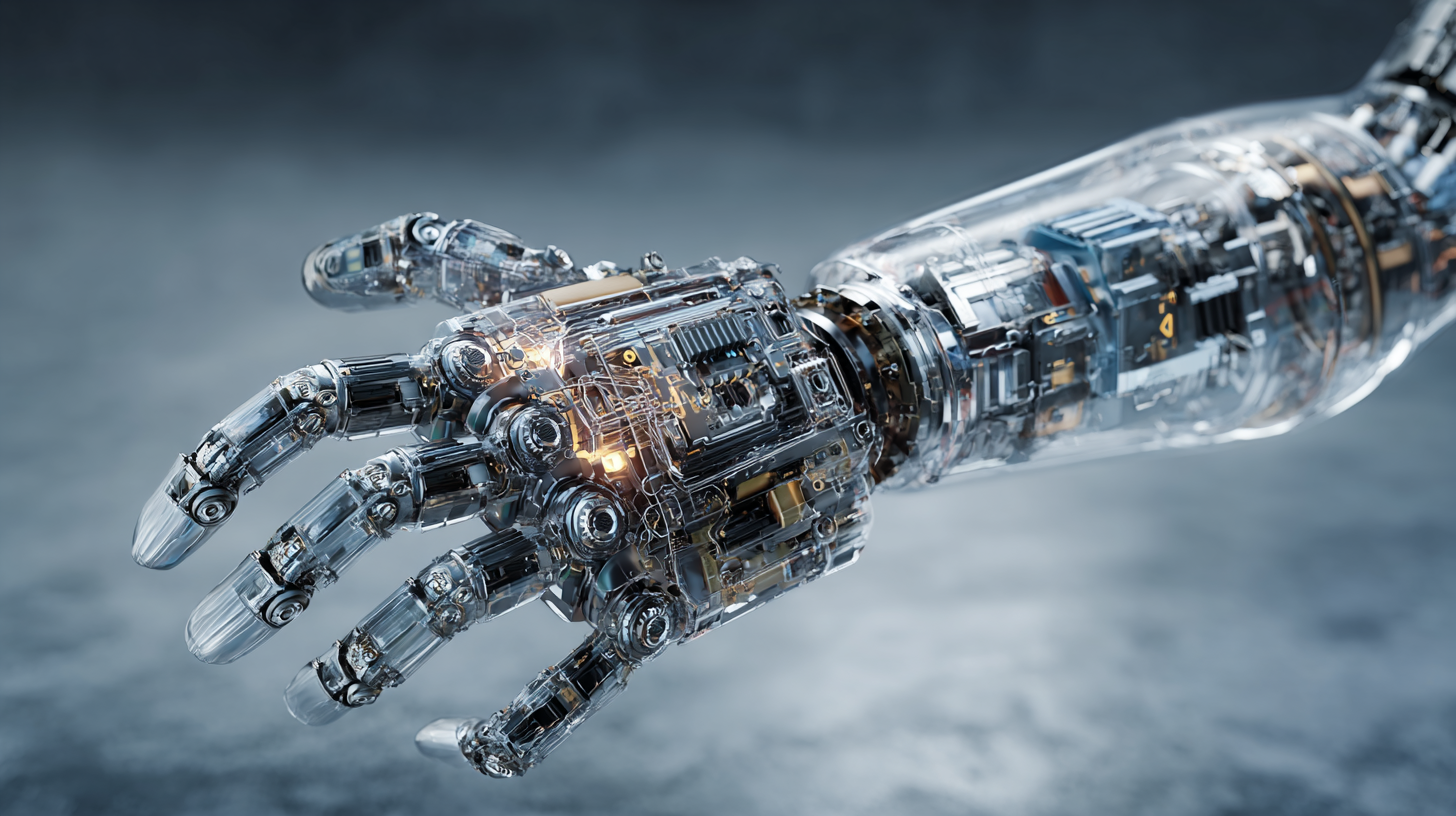
At the core, what these systems do is turn complex algorithms into real-world actions. Servo motors can be set up to do all sorts of repetitive jobs—from putting together products on assembly lines to packing things up—giving human workers a much-needed break from boring, monotonous tasks. And as robotics keep getting smarter—thanks to stuff like machine learning and AI—these servos are getting even better. That combo is paving the way for more intelligent automation that’s not just faster but also more adaptable. It’s pretty exciting to think about how industries are moving toward higher efficiency and innovation thanks to all this tech.
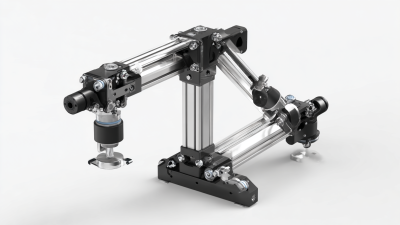
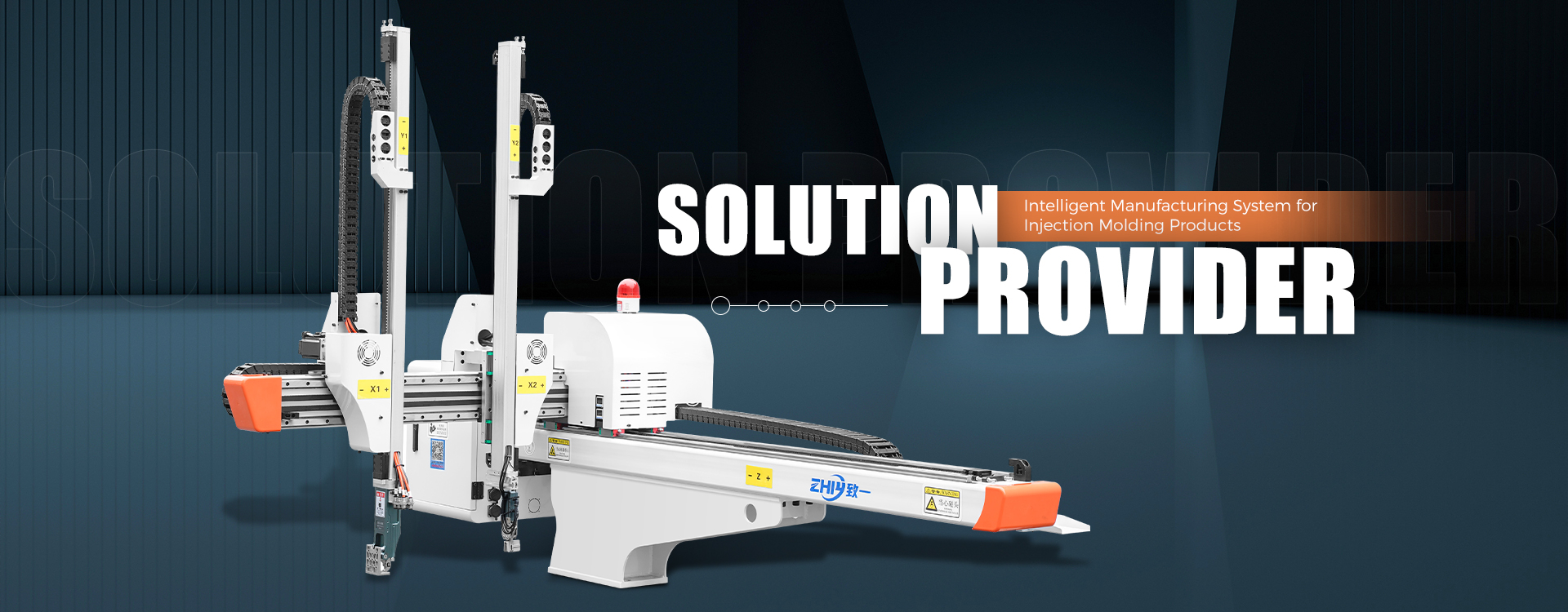
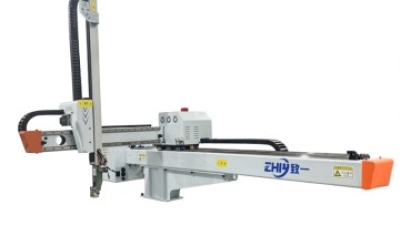
The versatility of the three-axis single-arm robotic arm, particularly the WKG-1000 model designed for injection molding machines, plays a pivotal role in modern automation systems. As industries increasingly turn to automation to enhance productivity, the WKG-1000 stands out as an exemplary solution for injection molding workshops. Its compact design allows seamless integration with 150T-250T injection molding machines, facilitating rapid pick-up, placement, and transportation of components. Such efficiency is critical in today's manufacturing processes, where swift turnaround times are essential to meet market demands.
Moreover, the robustness of the WKG-1000 is underscored by its construction from high-strength aluminum alloy, which ensures both stability and durability in industrial settings. According to a recent industry report from the International Federation of Robotics, the demand for industrial robots is projected to grow by over 14% annually, indicating a strong inclination towards automated solutions. This growth is further driven by the increasing need for low noise and energy consumption technologies, attributes that the WKG-1000 proudly offers. Its environmental protection features not only support sustainability efforts but also align with the expectations of international wholesale buyers seeking reliable and economical automation equipment across markets in Europe, America, Southeast Asia, and the Middle East.
The implementation of the WKG-1000 robotic arm illustrates a significant shift in the landscape of automated production. With its precise motion control and strong load capacity, this robotic solution enhances operational efficiency and output quality, positioning itself as an indispensable tool in modern manufacturing and industrial applications. As the automation landscape continues to evolve, the adaptability and reliability of three-axis robotic arms will undoubtedly play a crucial role in shaping future production workflows.
: Robot arm servos are essential components of robotic systems that provide precise control of robotic limbs, enabling them to perform intricate tasks with high accuracy and efficiency.
Servos enable real-time adjustments to movements through advanced feedback mechanisms, ensuring that each motion corresponds perfectly to the required action, which is crucial for maintaining productivity and quality.
Yes, integrating robot arm servos into existing systems enhances operational efficiency without requiring a complete overhaul, as many modern servos are compatible with legacy equipment.
They improve operational efficiency, reduce downtime, and streamline production processes, allowing manufacturers to respond more swiftly to market demands and changes in consumer behavior.
The market for robotic arms, valued at $623 million in 2022, is projected to reach $1.539 billion by 2030, indicating a compound annual growth rate of 12.4% from 2024 to 2030.
Advancements in AI and machine learning are enhancing robotic dexterity and precision, leading to the development of smarter automation solutions and transforming production processes across various industries.
Embodied intelligence refers to advancements that promise to improve robotic dexterity and precision in performing complex tasks, which is a key focus in current robotic technology research.
The future will likely see increased focus on human-like interactions, enhanced integration of robots into everyday tasks, and smarter manufacturing solutions, driven by the advancements in robotic arms.
The flexibility and scalability of robotic arms allow industries to adapt quickly to new challenges and innovations, ultimately leading to greater productivity and resilience in their operations.
Robot arm servos are increasingly being used in diverse fields, including healthcare, where their precision and adaptability can enhance various tasks and operations.
Hey, have you noticed how quickly things are changing in the automated industry? One of the standout players right now is the Robot Arm Servo. These little guys are pretty much the backbone of modern automation — they add so much control, speed, and flexibility across all kinds of industrial setups. When you're picking out a servo for a certain project, it's super important to think about things like torque, how fast it can go, and how well it plays with your existing systems. And honestly, when you integrate these servos smoothly into your current automation setup, it can really give your operations a serious boost.
Looking ahead, the future of Robot Arm Technology is super exciting — it’s bound to get even smarter and more adaptable, especially for manufacturing. Here at Zhejiang Zhiyi Intelligent Robot Co., Ltd., we're all in on helping change the industry through top-notch automation gear and solutions that really match what our customers need as things keep evolving. It’s an exciting time to be in this field for sure!