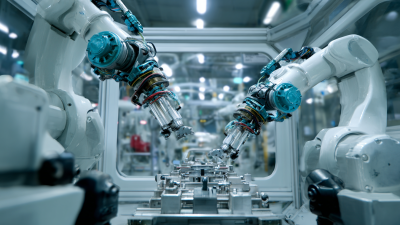
In today’s fast-moving world of robotics, the need for more advanced Manipulator Robotsis really picking up. I mean, experts like Dr. Anna Xu—who’s pretty much a big name in robotic automation—once said, "The future of manufacturing depends on how well we can improve Manipulator Robots." That sort of says it all, right? It highlights just how crucial these robots are in pushing the industry forward.
Manipulator Robots are becoming more and more important for tasks that demand precision and efficiency. They’re everywhere — from busy assembly lines to checking product quality. Today’s global market wants robots that can adapt, learn, and improve over time. Companies like Universal Robots and KUKA are really leading the way. But here’s the thing—if you're thinking about making a purchase, you’ve got to do your homework. With so many options and features out there, picking the right one can be pretty overwhelming.
Sure, the benefits of Manipulator Robots are obvious, but it’s essential for users to really think about what they need and what makes sense for their specific situation. Tossing money into the wrong tech might end up being a waste, and nobody wants that. Taking your time to consider your options is key. As we inch closer to 2026—a pretty big milestone—things in the world of Manipulator Robots are only going to get more exciting and complex. So, staying ahead means embracing new innovations but also keeping things realistic. That’s how you turn this tech revolution into real success.
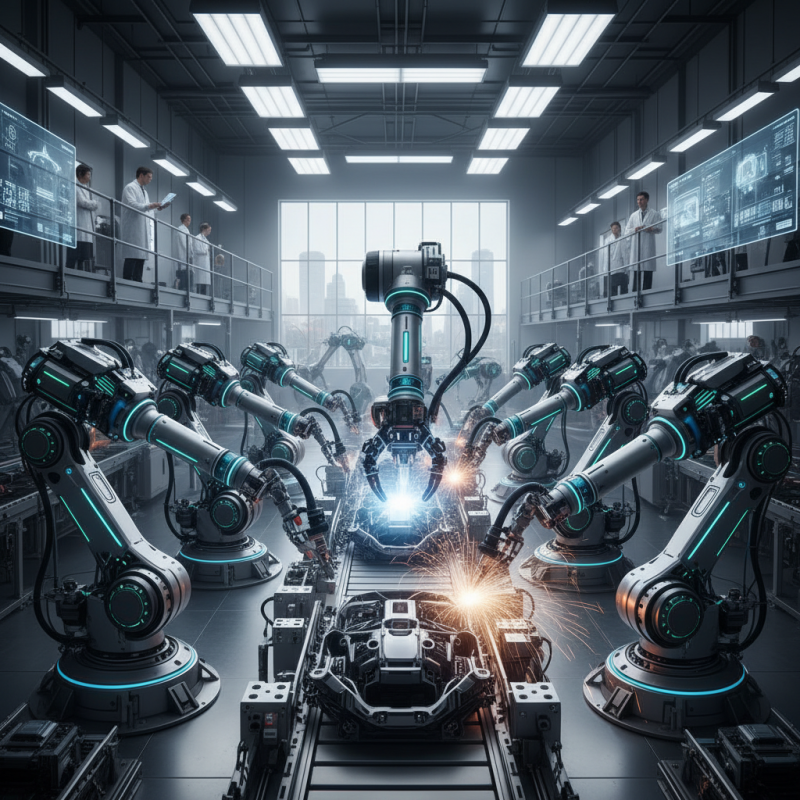
Overview of Manipulator Robots in 2026
In 2026, the landscape of manipulator robots continues to evolve at an impressive pace. Data from the International Federation of Robotics indicates a projected market growth rate of 15% annually. This surge is largely attributed to advancements in artificial intelligence and machine learning. These technologies enhance the precision of Industrial Robot Manipulators, making them invaluable in manufacturing and assembly lines.
However, the integration of these robots is not without challenges. A considerable number of businesses still face skill gaps in operating complex robotic systems. Reports suggest that 40% of firms report insufficient training for employees on new robotic technologies. This highlights a need for companies to invest more in worker education. Despite the efficiency gains, there are concerns about job displacement and the socioeconomic impact of widespread automation.
Additionally, sustainability remains a critical area of discussion. Many Industrial Robot Manipulators now focus on energy efficiency. Yet, the production and disposal of these robots raise environmental concerns. The industry is urged to innovate moreeco-friendly materials. As these challenges unfold, genuine collaboration between technologists and policymakers is essential for responsible deployment in various sectors.
Key Features to Look for in a Manipulator Robot
When selecting the best manipulator robot, there are essential features to consider. Precision is crucial. A robot must perform tasks accurately in various environments. Look for models offering advanced sensors. These allow the robot to react to its surroundings. Intuitive control systems also enhance usability. Operators must feel comfortable guiding the robot.
Payload capacity is another significant factor. Ensure the robot can handle the specific weights associated with your tasks. Flexibility in movement is essential. This ability allows the robot to reach awkward angles or tight spaces. Durability also matters, especially in tough environments. A well-built robot will withstand regular use and last longer.
Safety features should not be overlooked. Robots should have built-in mechanisms to prevent accidents. This is vital in settings with human workers. The ease of maintenance is also important. A complex robot might be impressive, but if it requires constant servicing, it's less practical. Reflection on these aspects can guide buyers to make informed decisions.
Top Manipulator Robot Brands and Models of 2026
The global market for manipulator robots is expected to reach significant growth by 2026. According to a recent industry report, the demand for advanced manipulation technology is rising due to increased automation across sectors. By 2025, the robotic manipulator segment is predicted to grow at a compound annual growth rate (CAGR) of 15%. This rapid increase reflects a shift in industries seeking efficiency and precision.
Top manipulator robot brands are focusing on user-friendly designs. The latest models feature enhanced flexibility and precision with a smaller footprint. Many robots now can handle delicate objects, which is essential in fields like electronics and manufacturing. Data indicates that these features improve assembly times by nearly 20%. However, some models still struggle with unstructured environments, highlighting an opportunity for improvement.
In terms of functionality, a well-designed Manipulator Arm can significantly increase productivity. Reports reveal that integrating AI with these robots can boost decision-making capabilities. Yet, not all users achieve seamless integration. There is often a steep learning curve associated with programming and setup. Addressing these challenges is crucial for maximizing the benefits of manipulator robots in diverse applications.
Comparative Analysis: Price vs. Performance in Manipulator Robots
In recent years, the landscape of manipulator robots has evolved significantly. Buyers face a crucial decision: price versus performance. A comprehensive analysis reveals that high-performance robots typically cost between $25,000 and $100,000, depending on their capability and precision. According to industry research from the Robotics Industry Association, investing in quality often leads to reduced operational costs over time.
Data indicates that more precise robots can save companies up to 30% in production costs. However, affordability is essential for startups. Many emerging players are developing capable robots priced below $20,000, but trade-offs in performance and durability may occur. This gap raises questions about balancing initial investment and long-term efficiency.
**Tip:** Inspect the robot's payload and reach. Ensure it meets your operational needs.
Keep in mind that maintenance costs can accumulate. Budgeting for service, parts, and software updates is crucial. Lower-priced models may incur higher long-term expenses due to reduced reliability.
**Tip:** Look for user reviews on long-term performance. Real-world insights can be invaluable when choosing the right robot.
The decision-making process isn't straightforward. Every industry and application has unique demands. Buyers should reflect on their specific needs and prioritize features that align with their operational goals.
2026 Best Manipulator Robot for Global Buyers? - Comparative Analysis: Price vs. Performance in Manipulator Robots
| Model | Payload Capacity (kg) | Reach (mm) | Precision (mm) | Speed (m/s) | Price (USD) |
| Model A | 5 | 800 | 0.1 | 1.2 | 25000 |
| Model B | 10 | 1200 | 0.05 | 1.5 | 45000 |
| Model C | 8 | 900 | 0.08 | 1.3 | 32000 |
| Model D | 15 | 1500 | 0.07 | 1.8 | 60000 |
Applications of Manipulator Robots Across Various Industries
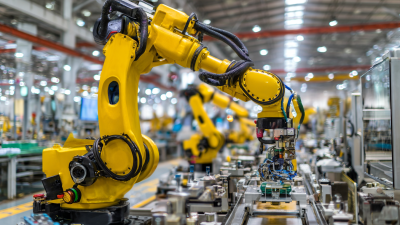
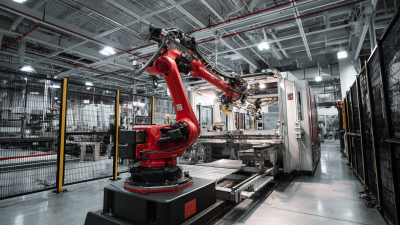
Manipulator robots have made significant strides in various industries. In manufacturing, these robots are vital for assembly lines. They can handle heavy parts with precision, reducing human error. Their speeds often exceed human capabilities, leading to increased production efficiency. However, there are challenges, such as the need for regular maintenance and potential programming complexities.
In healthcare, Arm Manipulators aid in surgeries. Surgeons rely on them for enhanced accuracy during delicate procedures. These robots minimize invasiveness, leading to quicker recovery times. Yet, the reliance on technology raises questions about potential errors during operation. Ensuring these manipulative robots are consistently reliable is crucial for patient safety.
The logistics sector also benefits from manipulator robots. They automate sorting and packaging, streamlining workflows. This integration can result in reduced labor costs. Yet, there's an ongoing debate regarding job displacement. Balancing automation with workforce needs remains a pressing issue for industries.
Applications of Manipulator Robots Across Various Industries
Future Trends and Innovations in Manipulator Robotics
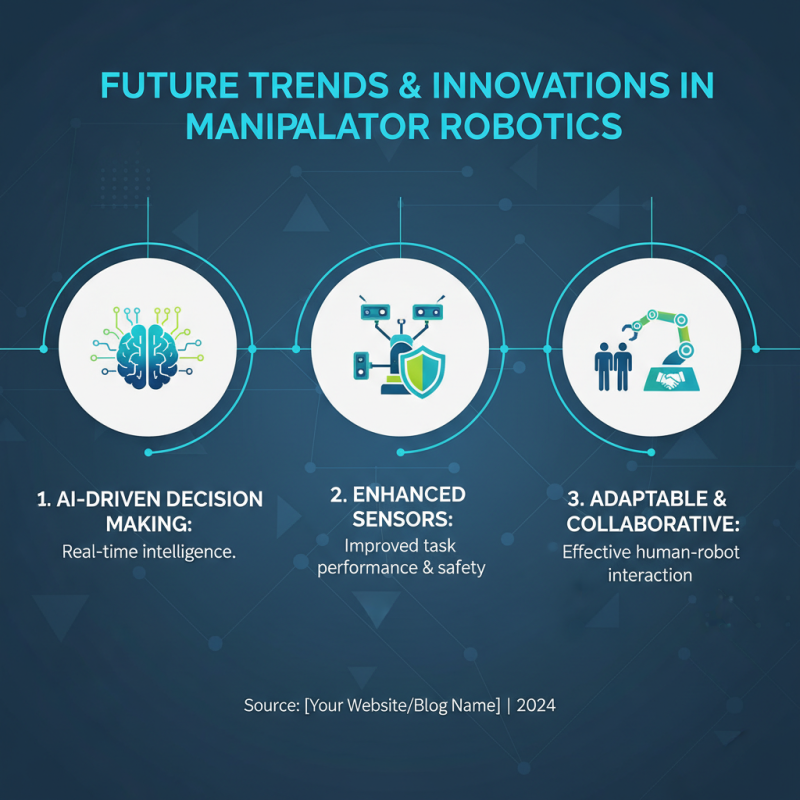
The future of manipulator robotics is bright, with significant innovations on the horizon. As technology evolves, we see robots becoming more adaptable. They are equipped with enhanced sensors for better task performance and safety. This advancement allows them to operate alongside humans more effectively. The integration of AI drives intelligent decision-making in real time.
Tips for buyers: Consider the robot’s compatibility with existing systems. Flexibility is key; choose a model that adapts to various tasks. Additionally, assess how user-friendly the interface is. Intuitive designs can greatly reduce training time.
Another trend is collaborative robotics. These robots work safely next to human operators. They have built-in safety features, making them ideal for various environments. However, companies must address concerns about reliability and maintenance. These robots need careful programming and regular updates to function optimally. Investing in training for staff can mitigate risks.
As manipulator robotics evolve, so do their applications. They are finding roles in healthcare, manufacturing, and delivery services. This versatility is promising but raises questions about ethical use and job displacement. Engaging experts in the field can provide insights into these challenges.
Considerations for Global Buyers When Selecting a Robot
When selecting a manipulator robot, buyers must consider several critical factors. Market trends show that the global robotic arms market is projected to reach $20 billion by 2025, driven by demand in manufacturing and automation. Understanding specific application needs is essential; not all Manipulator Parts are suited for every task. The type of operation—whether for assembly, packaging, or welding—will influence the choice of robot.
Programming and flexibility are also vital. A report from the International Federation of Robotics highlights that versatility is key for many industries. Robots that can easily adapt to various manipulator parts are preferable. Buyers should assess the existing skill set of their workforce. A steep learning curve may hinder the robot's potential effectiveness. Additionally, service and maintenance must not be overlooked. High uptime is crucial for operational efficiency, and support from manufacturers varies widely.
Cost considerations are often complex. The initial investment can seem daunting, but total cost of ownership provides a different perspective. Factors like downtime, maintenance, and consumables add to expenses over time. It is essential to project long-term ROI instead of merely comparing sticker prices. Without a comprehensive understanding, buyers risk making uninformed decisions—leading to underperformance in critical applications.
Innovations in Manufacturing: Unleashing Efficiency with the Five Axis Double Arm Double Section Robot Injection Moulding Machine
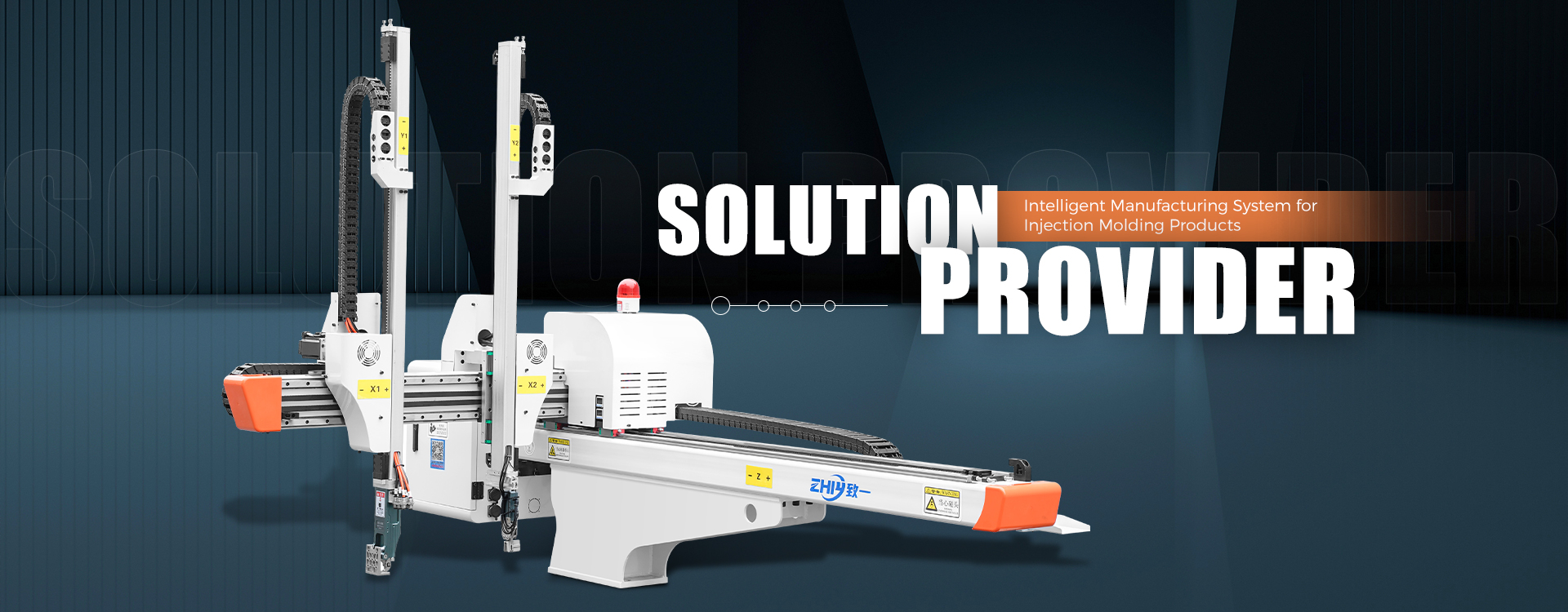
The manufacturing sector is undergoing a significant transformation with the introduction of advanced technologies, particularly in injection molding processes. Innovations such as the five-axis dual-arm dual-stage robot injection molding machines are at the forefront of this evolution. Designed for high-quality and high-efficiency production, these machines are particularly appealing to international wholesale buyers who demand precision and reliability. According to market research, the global injection molding machine market is expected to grow significantly, driven by the increasing demand for plastics in various end-user industries.
The five-axis dual-arm mechanism allows for a greater range of motion and flexibility in production, adapting seamlessly to both large-scale items and intricate components. With a capacity suitable for work spanning 250T to 300T, these machines offer an ultra-long travel range that enhances performance even in complex working conditions. Notably, industry reports indicate that the integration of intelligent control systems not only streamlines the molding process but also reduces scrap rates, with some advanced systems achieving scrap reductions of up to 20%.
Moreover, the ability to execute multiple tasks concurrently significantly boosts operational efficiency. The stability of the five-axis design minimizes downtime and maintenance disruptions, further contributing to a robust production environment. As businesses strive to enhance their competitiveness in the international market, the adoption of such innovative solutions becomes imperative, positioning manufacturers to meet the dynamic demands of customers while optimizing their operational capabilities.
FAQS
: The robotic manipulator segment is expected to grow at a CAGR of 15%.
Increased automation across various sectors drives the demand for advanced manipulation technology.
They offer enhanced flexibility, precision, and can handle delicate objects effectively.
Many models struggle in unstructured environments, indicating room for improvement.
Integrating AI can enhance decision-making capabilities and increase productivity significantly.
Users often face a steep learning curve during programming and setup processes.
Compatibility with existing systems and the robot's user-friendly interface are essential considerations.
Collaborative robots have built-in safety features for safe operation alongside human workers.
Regular updates and careful programming are necessary for optimal function and reliability.
They are finding roles in healthcare, manufacturing, and delivery services, offering versatility.
Conclusion
The article "2026 Best Manipulator Robot for Global Buyers?" provides a comprehensive overview of the evolving landscape of manipulator robots. It emphasizes key features that buyers should consider, such as precision, speed, and adaptability, which are essential for different applications across industries. A comparative analysis showcases the balance between price and performance, guiding global buyers in making informed decisions.
Moreover, the article delves into the diverse applications of manipulator robots, ranging from manufacturing to healthcare, highlighting their significance in enhancing productivity and efficiency. Lastly, it presents future trends and innovations that could shape the manipulator robotics sector, encouraging buyers to consider these advancements when selecting their next robot investment. This summary serves as a useful resource for global buyers navigating the dynamic field of manipulator robotics.